
Summary
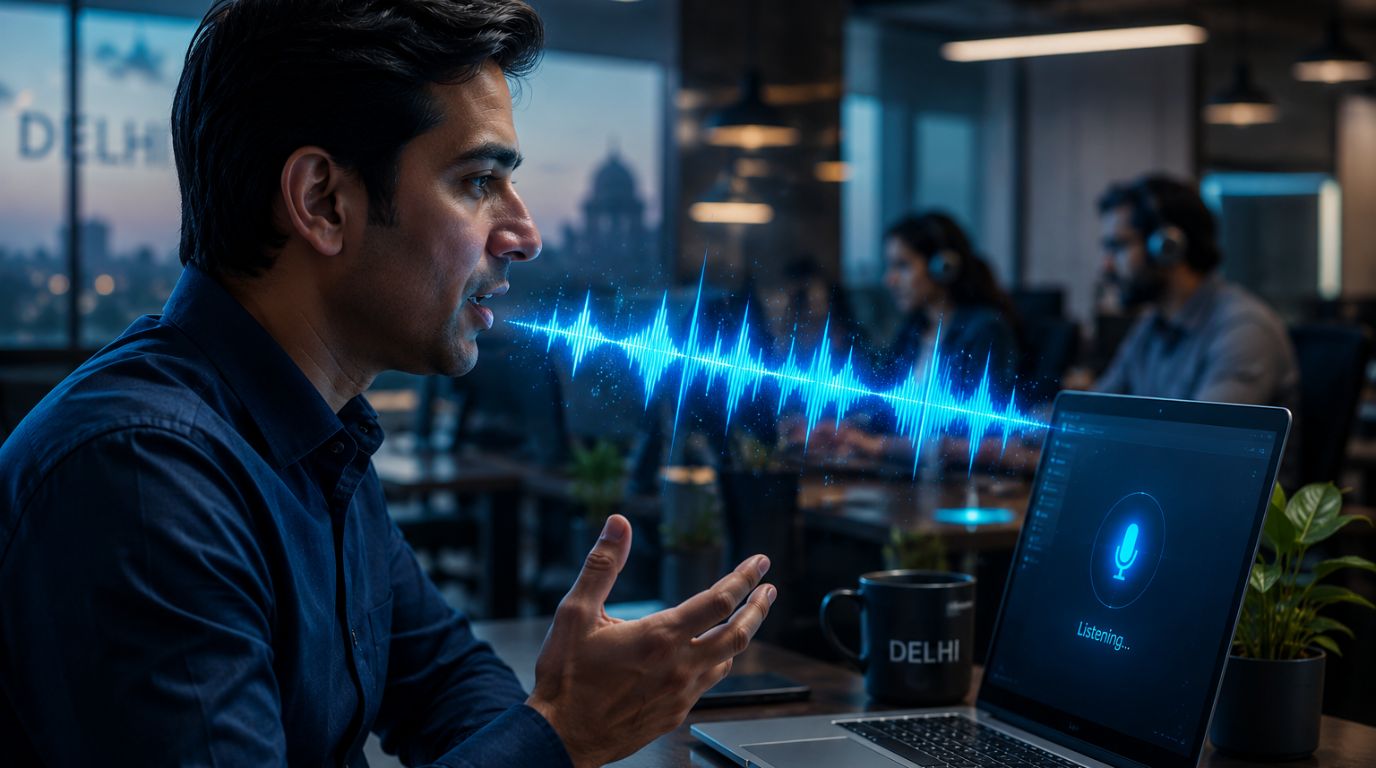
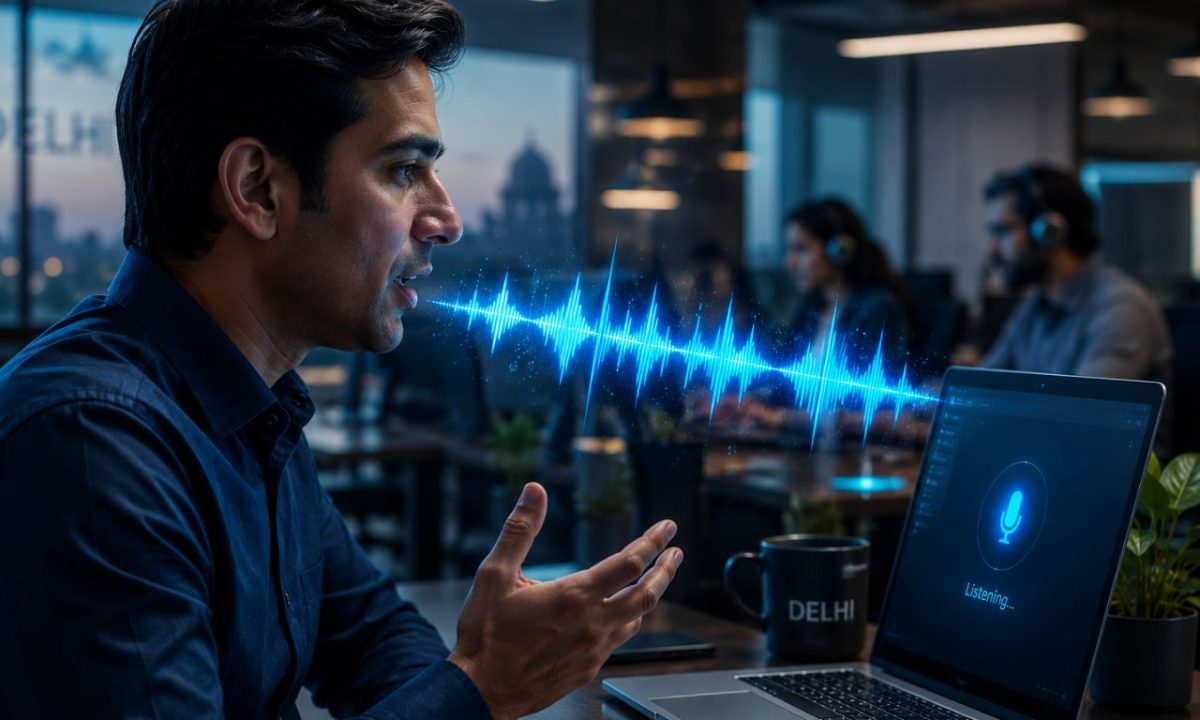
In 2026, the “click-clack” of keyboards is being replaced by the soft mumble of “AI whispering.” While the voice AI productivity has unlocked unprecedented speed for knowledge workers, it has created a new form of office noise pollution. This post explores how computers are finally adapting to human speech and what that means for our shared workspaces.
Whispering to AI Is Becoming the New Office Noise Pollution
I think we’re entering one of the weirdest workplace eras ever. Not because of AI itself. But because suddenly everyone around us is quietly talking to their laptops like they’re in a low-budget sci-fi movie.
Five years ago, offices sounded like:
- Keyboard clicks
- Slack notifications
- Someone is microwaving fish at lunch
Now?
It’s becoming: “Hey ChatGPT, rewrite this email but make it sound confident, not aggressive.”
followed by someone else whispering: “Claude, summarize this PDF.”
followed by another person aggressively pacing while dictating startup ideas into a microphone.
The Funny Part
People used to make fun of Bluetooth headset users talking loudly in public. Now, entire offices are becoming human podcasts.
And honestly…
I kind of get why this is happening.
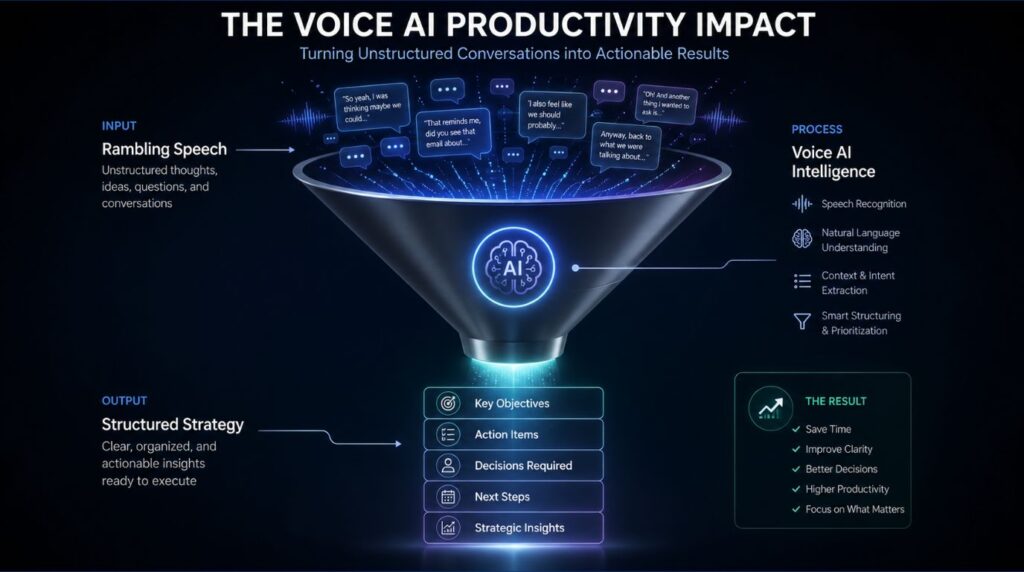
Voice AI productivity is ridiculously efficient.
You think faster than you type. You ramble. The AI structures it.
Boom:
- emails
- code
- documents
- summaries
- strategies
done in seconds.
That’s a massive productivity unlock. But every productivity revolution creates a new social problem.
And this one is: ambient AI mumbling.
We optimized for speed. Not sanity. I already know what the next office categories will be:
- Quiet zones
- Zoom rooms
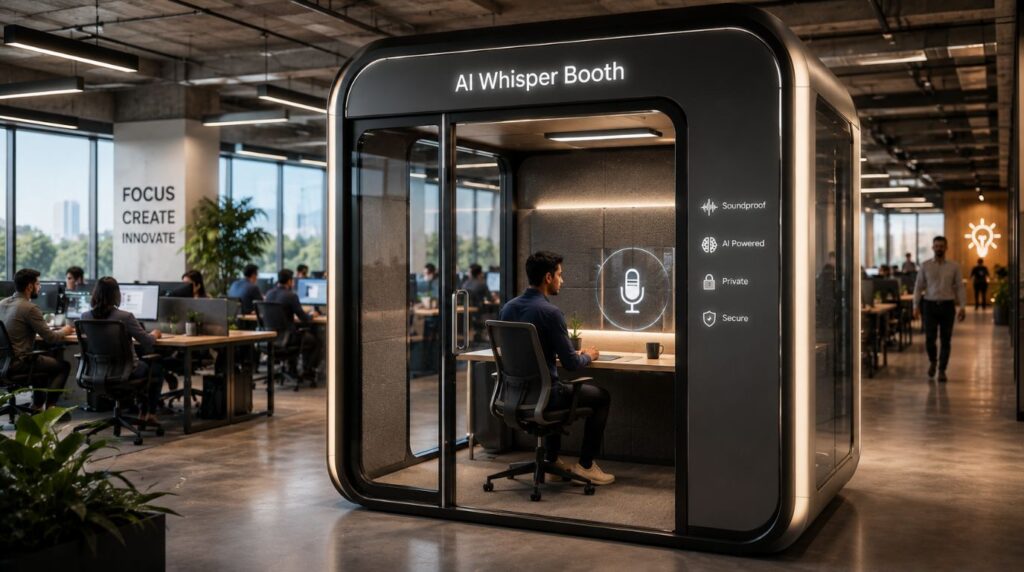
- AI whisper booths
- “Please stop talking to GPT near me” sections
Imagine explaining this to someone from 2012.
“In the future, knowledge workers will pay monthly subscriptions to invisible robot coworkers and softly narrate their thoughts into laptops all day.”
Sounds insane. Yet here we are.
The Deeper Shift
The deeper shift here is actually bigger than typing vs speaking.
It’s this: For the first time, computers are adapting to human communication patterns instead of humans adapting to computers.
For decades, we learned:
- keyboards
- commands
- syntax
- interfaces
Now, the voice AI productivity impact is so high because AI is learning:
- hesitation
- rambling
- context
- conversational intent
That changes behavior dramatically. Because talking feels emotionally easier than writing. And that’s why voice AI adoption is exploding.
But there’s another side nobody talks about enough.
What Nobody Talks About
Thinking silently used to be part of knowledge work. Now people externalize every thought instantly. And I’m not fully convinced that’s always healthy. Sometimes good ideas need:
- friction
- pauses
- reflection
- editing inside your own head first
The voice AI productivity impact reduces the friction of thinking, but it might also reduce reflection.
We’re slowly moving from “Think before you speak” to “Speak so the AI can think for you.”
That’s a fascinating cultural shift. And honestly, a slightly dangerous one too.
Also…Can we discuss how awkward this will get in cafés?
Earlier, you could identify startup founders by:
- MacBooks
- overpriced coffee
- AirPods
Now you’ll identify them because they’re whispering: “Generate 10 disruptive B2B SaaS positioning ideas…” to their cappuccino.
Final Thought on Voice AI Productivity
The future isn’t silent; it’s softly narrated. The voice AI productivity impact ensures that the most future-proof workers are those who can effectively “whisper” to their machines, even if it makes the office a little more awkward for everyone else.
And somewhere in the distance, an exhausted spouse is begging their partner to please stop talking to Claude during dinner.
As the industry shifts, staying informed about the latest AI news is essential for anyone. Click through to read more such threads!