
FIFA Is Winning. But Is Football?
Every FIFA World Cup promises unforgettable moments. Stunning goals. Emotional victories. New heroes.
But the 2026 FIFA World Cup has reminded me of something else.
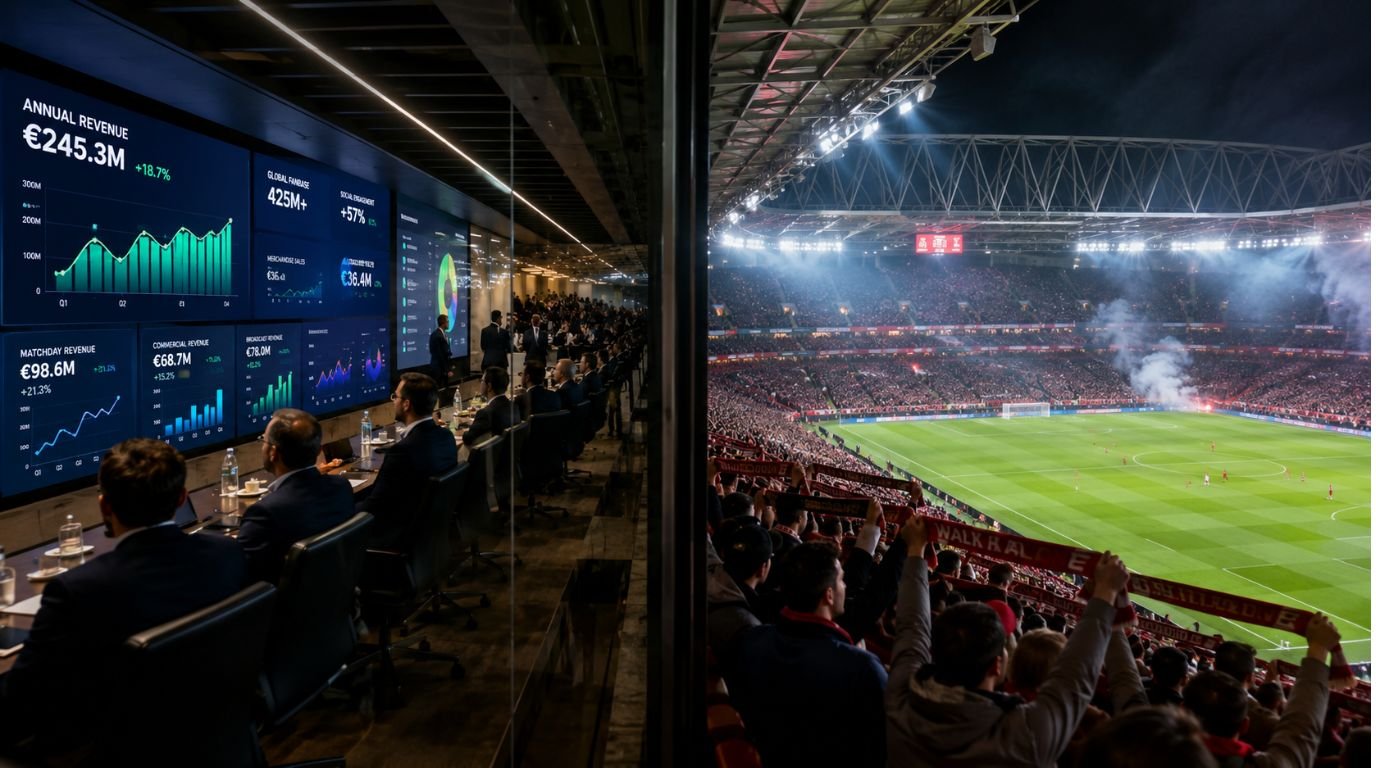
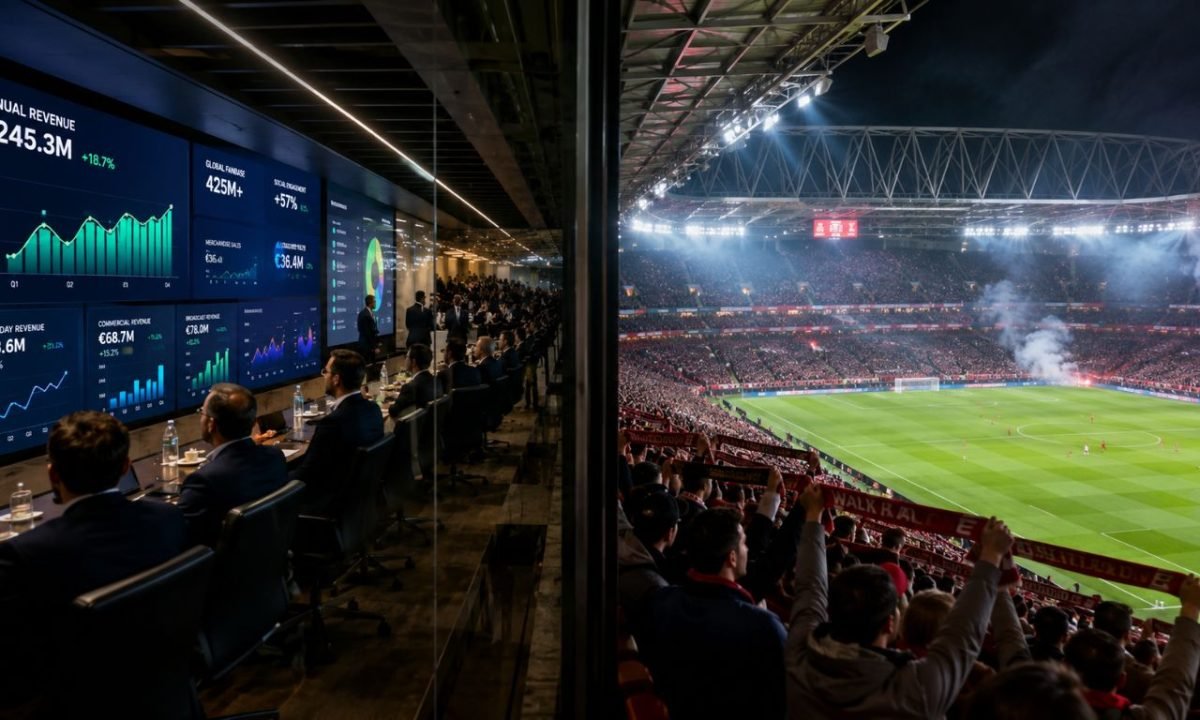
Football may be the world’s biggest sport, but FIFA has become one of the world’s biggest businesses.
And sometimes, those two objectives don’t seem perfectly aligned.
As revenue targets soar, an uncomfortable question emerges: does the rapid commercialization of FIFA World Cup tournaments come at the expense of the sport’s core integrity?
A Record-Breaking World Cup… Financially
According to recent estimates, the 2026 World Cup is expected to generate nearly $9 billion in revenue for FIFA—its biggest tournament ever.
Every edition has earned more than the previous one.
- Germany (2006): ~US$2.2 billion
- South Africa (2010): ~US$3.5 billion
- Brazil (2014): ~US$4.8 billion
- Russia (2018): ~US$5.4 billion
- Qatar (2022): ~US$6.4 billion
- North America (2026): ~US$9 billion (projected)
That’s phenomenal business growth.
But it also raises an uncomfortable question.
As revenues continue to rise, is the sporting experience improving at the same pace?
Controversies Are Becoming Part of the Tournament
Almost every World Cup has had its share of debates.
But this edition seems to have accumulated them faster than goals.
Fans have questioned everything from ticket pricing and tournament logistics to refereeing decisions, VAR consistency, scheduling, and governance.
Instead of talking only about football, social media has spent days debating decisions made off the pitch.
That should concern FIFA.
The Argentina vs Egypt Debate
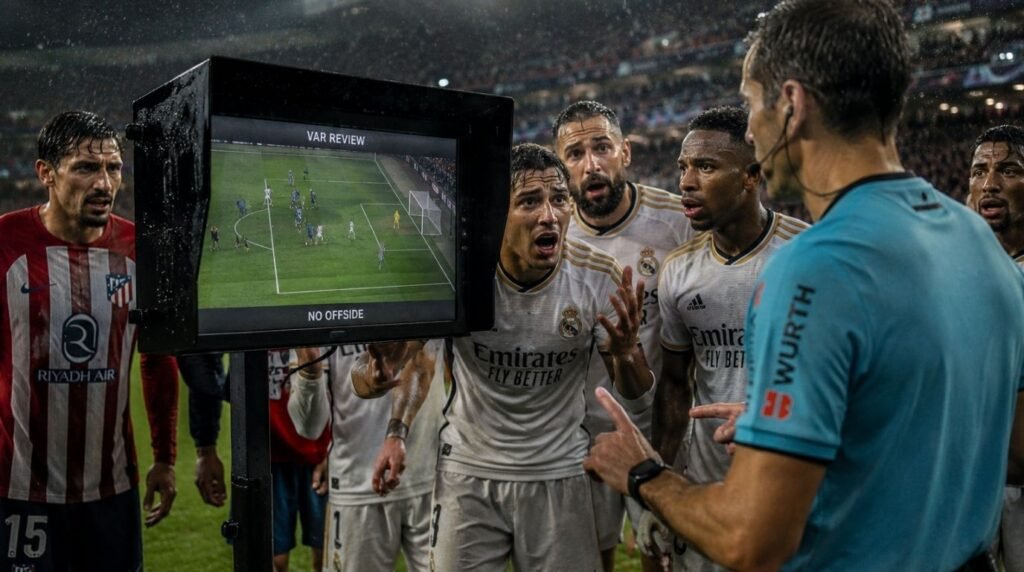
The latest flashpoint came during Argentina’s dramatic Round of 16 victory over Egypt.
Argentina produced an incredible comeback to win 3-2 after trailing by two goals. It was the kind of football story fans love.
Unfortunately, the conversation after the final whistle wasn’t just about Messi’s brilliance.
Several refereeing and VAR decisions triggered widespread criticism. Egyptian players and officials publicly questioned the officiating, with some even alleging bias toward keeping football’s biggest stars in the tournament. The controversy quickly spread across social media and sports media worldwide.
Whether those claims are justified or not is almost secondary.
When millions of fans begin questioning the integrity of decisions, trust becomes the real casualty.
FIFA Isn’t Just Running Football Anymore
Today’s FIFA isn’t merely organizing tournaments.
The modern commercialization of FIFA World Cup events reflects an organization operating far beyond traditional sports administration. Today, FIFA functions as a global media and entertainment conglomerate, overseeing:
- Broadcast rights
- Sponsorships
- Digital platforms
- Streaming
- Global fan engagement
- Hospitality
- Licensing
- Commercial partnerships
It’s closer to running a multinational entertainment company than simply a sports federation.
That isn’t necessarily bad.
But commercial success can never come at the cost of credibility.
Trust Is Football’s Biggest Asset
Fans forgive mistakes.
They don’t easily forgive inconsistency.
The moment supporters believe outcomes are influenced by anything beyond what happens on the pitch, every future decision gets viewed through that lens.
VAR was introduced to remove doubt.
Ironically, in many cases, it has simply shifted where the debate begins.
The Business Is Thriving. The Brand Must Too.

As a marketer, I admire what FIFA has built.
Growing revenues from roughly $2 billion to nearly $9 billion in two decades is extraordinary.
But the strongest brands aren’t defined by revenue.
They’re defined by trust.
And trust takes years to build, but only a few controversial moments to weaken.
My Take
Football belongs to the fans long before it belongs to sponsors.
Every World Cup should leave us discussing incredible goals, tactical masterclasses, and unforgettable players—not whether the competition itself feels fair.
FIFA’s financial success is undeniable.
Now it has an equally important responsibility: ensuring that the game remains bigger than the business.
As the industry shifts, staying informed about latest trends is essential for anyone. Click through to read another thread!