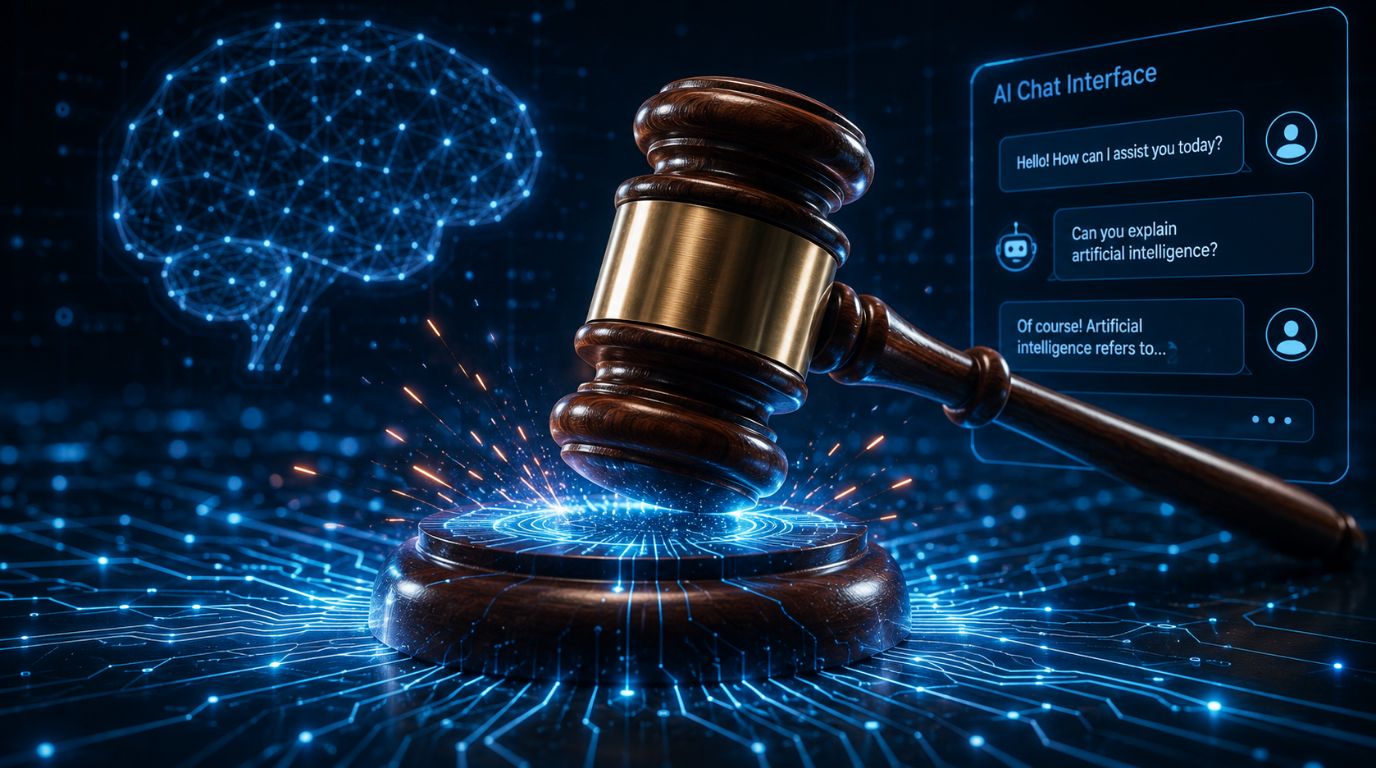
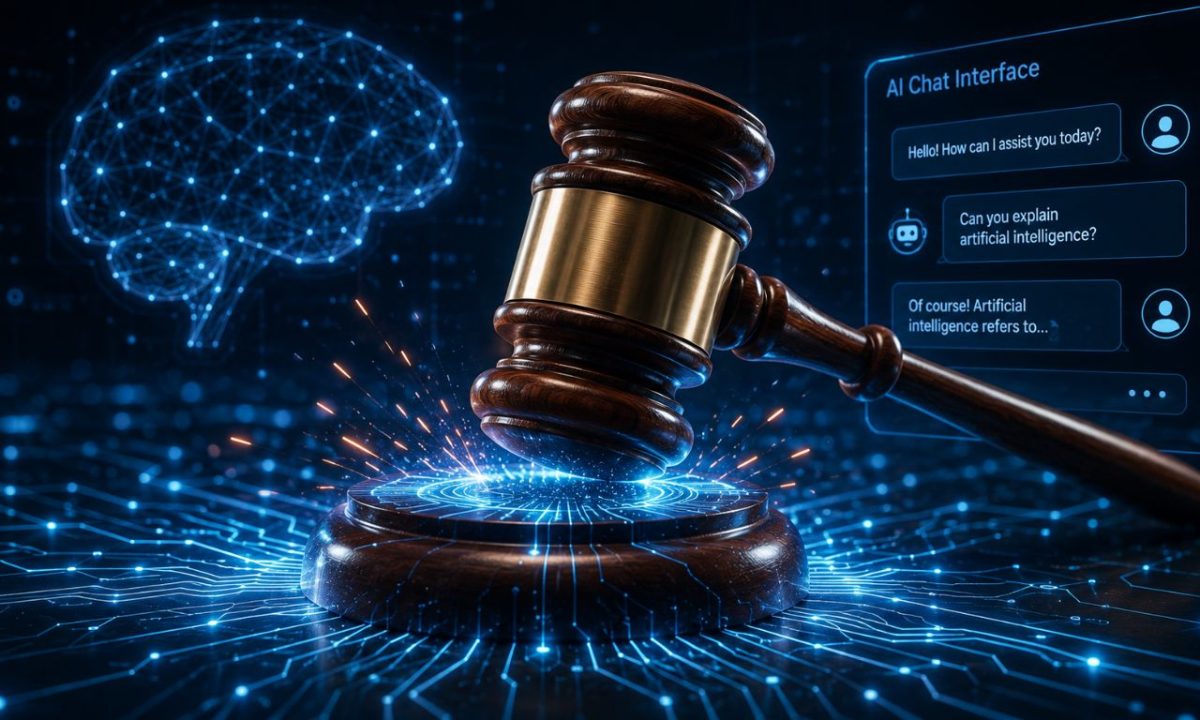

Florida has become the first U.S. state to file a lawsuit against OpenAI and Sam Altman. This historic case officially puts AI on trial, alleging that AI products like ChatGPT were released without sufficient safeguards and have contributed to harmful outcomes, particularly among minors.
The First Big AI Legal Battle Has Arrived
For the last few years, AI companies have largely operated in a familiar Silicon Valley pattern: Build fast. Scale faster. Fix issues along the way.
That approach worked for social media. It worked for smartphones. It even worked for ride-sharing platforms. But AI may be different.
Florida’s lawsuit against OpenAI marks one of the first major attempts by a government authority to directly challenge not just an AI product, but also the people building it.
The allegation is simple: AI innovation has moved faster than AI safety.
Whether the lawsuit succeeds or fails, it signals something important. The conversation around AI is no longer just about capabilities. With AI on trial, it’s now about accountability.
Why Governments Are Getting Nervous
Every major technological revolution creates a gap between innovation and regulation.
When cars arrived, there were no traffic laws. When social media exploded, there were no rules around misinformation. And now AI has entered the mainstream before lawmakers fully understand its implications.
Concerns being raised include:
- Children becoming overly dependent on AI companions
- AI-generated misinformation
- Mental health impacts
- Deepfakes and impersonation
- Fraud and scams
- Over-reliance on AI for decision-making
The Florida lawsuit bundles many of these concerns into one broader question: Who is responsible when AI causes harm?
The company? The developer? The user? Or all three?
No one has a clear answer yet, which is exactly why we are seeing AI on trial in a court of law.
OpenAI’s Position
OpenAI has responded by emphasizing the safeguards it has introduced over time. The company points to:
- Age-detection systems
- Parental control features
- Safety testing programs
- Continuous model improvements
- Partnerships with external safety researchers
To be fair, modern AI models are significantly more restricted than earlier versions. Anyone who has used ChatGPT over the last two years has probably noticed that the system refuses far more harmful requests than it once did. But critics argue that safety improvements are happening reactively rather than proactively.
In other words: The car is being repaired while it’s already driving at 120 kmph.
The Real Issue Isn’t OpenAI
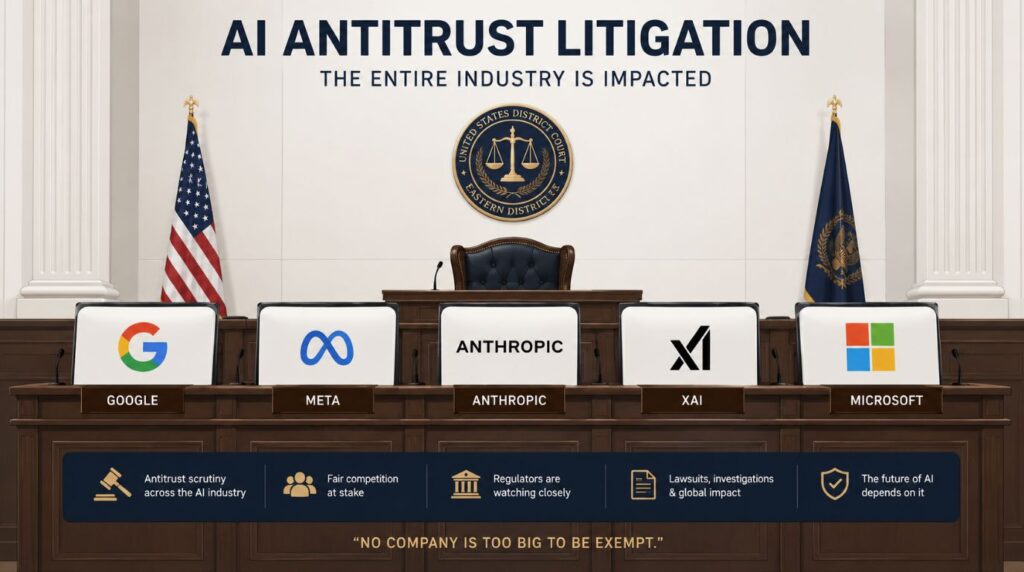
I think this story is bigger than OpenAI. If Florida wins today, similar questions will immediately be asked of:
- Meta
- Anthropic
- xAI
- Microsoft
- Every AI startup building consumer-facing products
The legal system is essentially attempting to put AI on trial to answer a question humanity has never faced before: How do you regulate intelligence that can continuously improve itself?
Traditional laws were written for static products. AI is dynamic. It changes every few months. That makes regulation incredibly difficult.
The Marketing Parallel
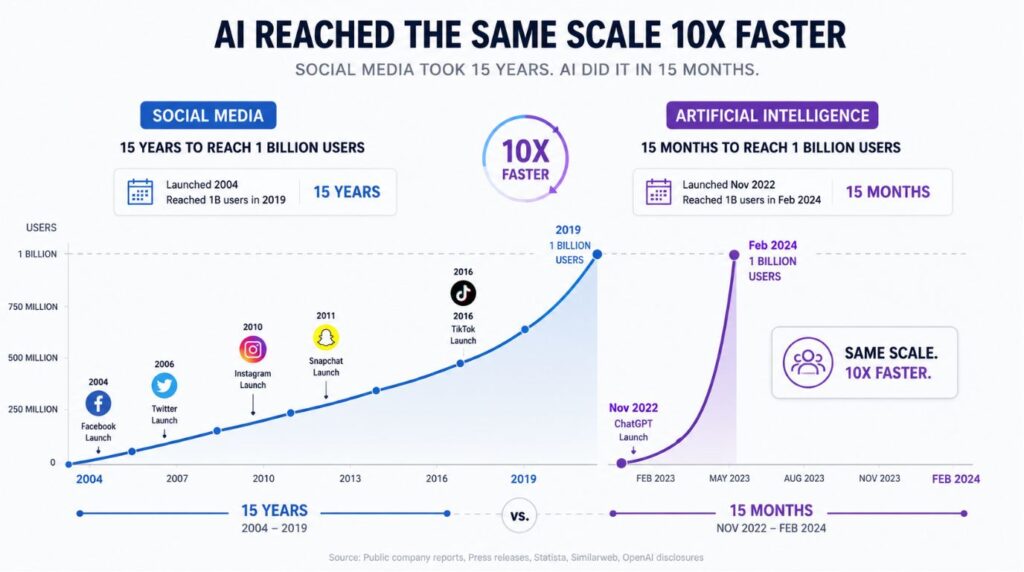
As someone from the digital marketing world, this reminds me of the early days of social media. Back then, platforms focused entirely on growth.
Safety came later. Privacy came later. Regulation came later.
The result?
Billions of users were already deeply embedded before governments could catch up. AI appears to be following the same trajectory, except at a much faster pace. What took social media 15 years is happening to AI in 15 months.
The Bigger Question
The most interesting part of this story isn’t whether OpenAI wins or loses. It’s whether society can find the balance between:
- Encouraging innovation
- Protecting users
- Avoiding overregulation
- Preventing genuine harm
Too much regulation could slow innovation. Too little regulation could create consequences we don’t fully understand yet. Neither extreme is ideal, and finding that middle ground is the main driver behind putting AI on trial.
Final Thoughts – AI on Trial
AI is no longer an experimental technology. It’s becoming infrastructure. Students use it. Marketers use it. Developers use it. Businesses run on it. Which means scrutiny is inevitable.
Florida’s lawsuit may be remembered as the beginning of a much larger global debate around AI responsibility. The AI race is no longer just about building the smartest model. With AI on trial globally, it’s about proving that the smartest model can also be the safest. And that may end up being the harder challenge.
My Take on AI on Trial
The future winners in AI won’t simply be the companies with the most powerful models. They’ll be the companies that earn the most trust.
Because in the long run, intelligence can be copied. Trust cannot.
As the industry shifts, staying informed about AI trends is essential for anyone. Click through to read another thread!