
The Future of ChatGPT Is No Longer a Chatbot. It’s Becoming an Operating System.
The Biggest Change to ChatGPT Is Coming
Most people still think of ChatGPT as a place where you ask questions and get answers.
Open the app. Type a prompt. Get a response. Done.
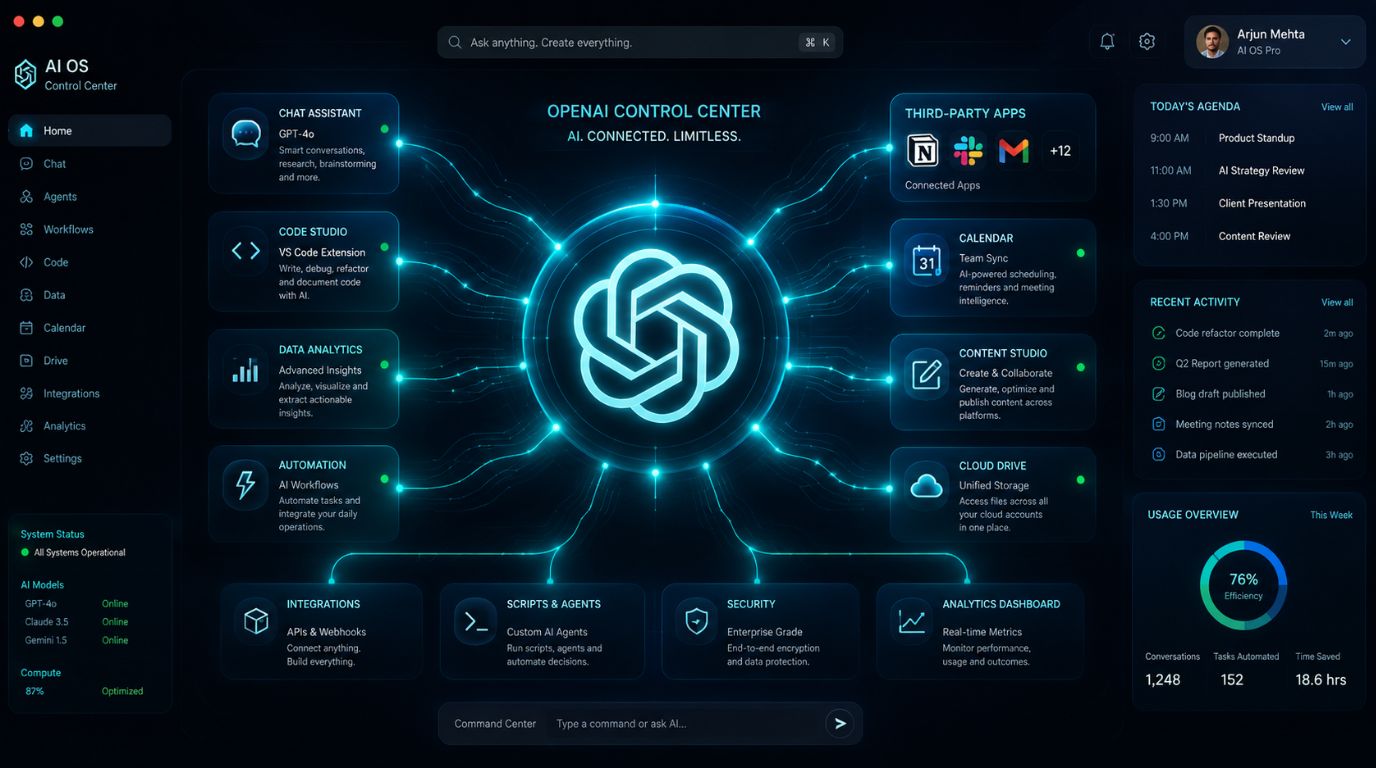
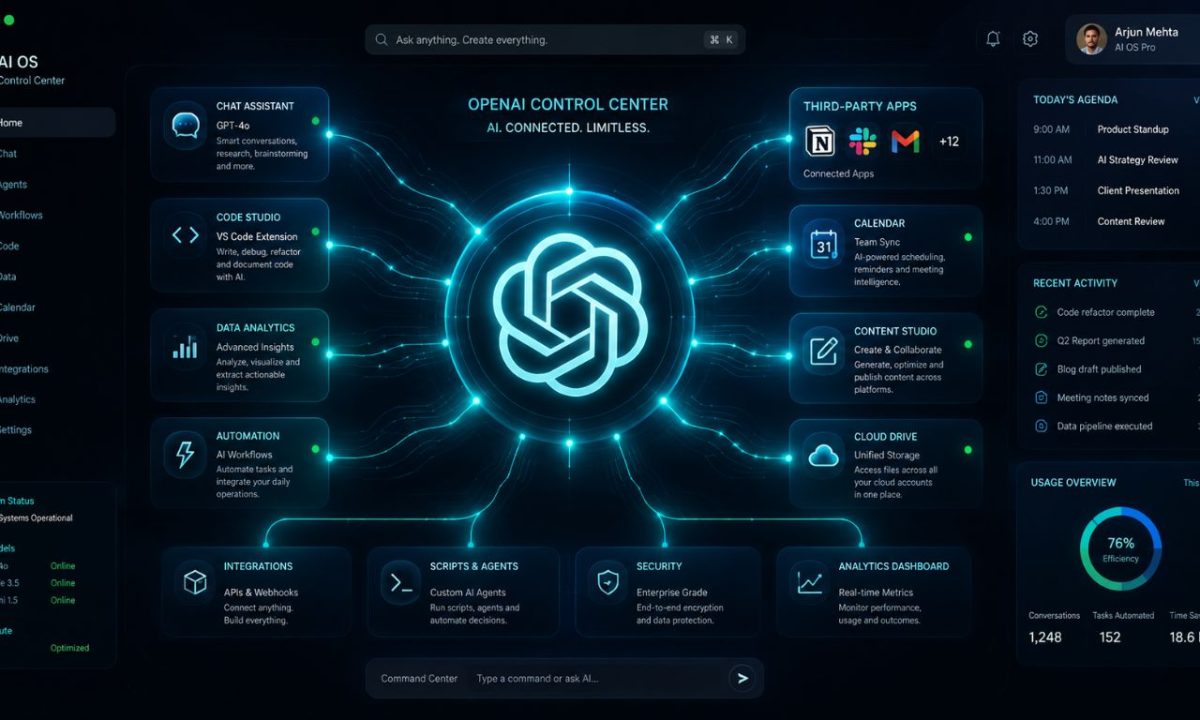
But according to recent reports, OpenAI is preparing its biggest overhaul yet. If you look closely at these developments, the Future of ChatGPT is transforming into something much larger—a super app that combines AI agents, coding tools, image generation, business workflows, and third-party services in one central place.
If true, this isn’t just a product update. It’s a glimpse into the future of how we will use software.
The End of “Open App, Do Task”
For the last two decades, our digital lives have looked like this:
- Need a design? Open Canva.
- Need a hotel? Open Booking.com.
- Need code? Open a coding platform.
- Need research? Open Google.
We constantly switch between apps.
The future OpenAI seems to be building is different. Instead of opening multiple apps, you tell an AI what you want. The AI decides which tools to use and completes the task for you.
The interface becomes entirely conversational, proving that the Future of ChatGPT relies on making complexity disappear completely behind the scenes.
Why OpenAI Is Pushing Hard Into Coding
One of the most interesting parts of the report is the increased focus on Codex and coding tools. This strategic move makes perfect sense when predicting the commercial Future of ChatGPT.
Consumers may use ChatGPT for fun. Businesses pay serious money for productivity. A tool that helps developers write code faster, automate workflows, test software, and build applications creates measurable business value.
And measurable value is where subscription revenue grows.
The Real Battle Isn’t AI. It’s Attention.
Most people think OpenAI is competing with Anthropic, Google, and Meta. That’s true.
But there is another battle happening. A battle for screen time. Every minute you spend inside ChatGPT is a minute not spent on:
- Google Search
- Canva
- Booking platforms
- Productivity software
- Design tools
The company that becomes your starting point for work gains enormous power. This is why every major tech company wants to become your default destination, and the Future of ChatGPT is positioned to claim that exact gateway.
The Rise of the AI Super App
Asia has already shown us this model. Apps like WeChat became ecosystems rather than single-purpose products. You could chat, shop, pay bills, book services, and consume content without leaving the app.
OpenAI appears to be moving in a similar direction.
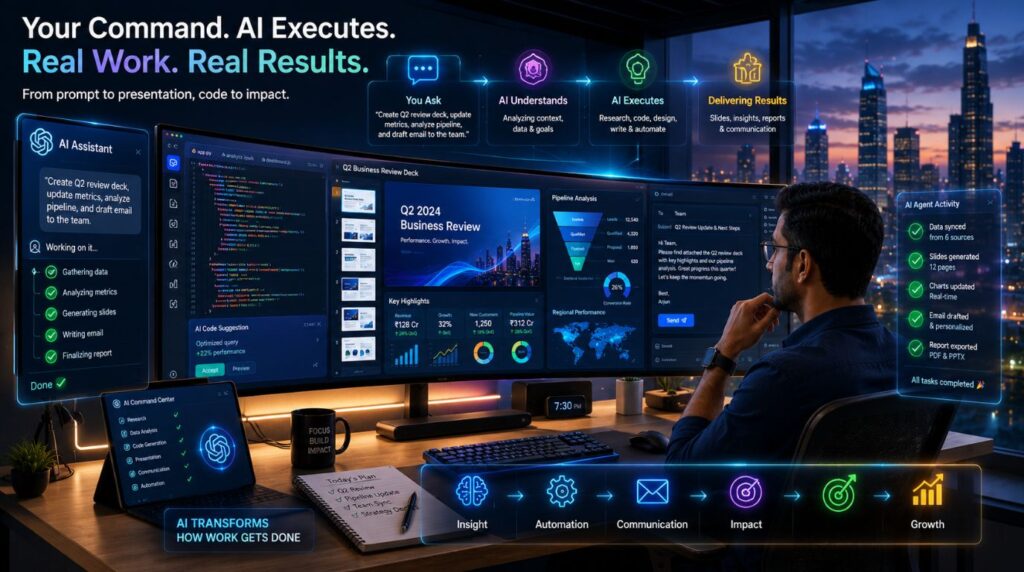
Imagine asking ChatGPT: “Create a presentation, design the graphics, write the content, book a meeting room, and email the team.”
And it simply gets done. No app switching. No manual coordination. Just outcomes. This shift toward a “super app” framework outlines a major part of the Future of ChatGPT.
What The Future of ChatGPT Means for Businesses
Many companies still view AI as a chatbot for customer support or content generation. That view is becoming outdated.
AI is increasingly becoming the interface through which work gets done. Businesses that understand this early will redesign workflows around AI. Those that don’t may find themselves operating like companies trying to compete with smartphones using landlines.
The Bigger Picture
The most important line in the report isn’t about coding tools or AI agents. It’s about direction. OpenAI is no longer trying to build the best chatbot. It is trying to build a place where people work.
That’s a much bigger ambition.
And if successful, ChatGPT could become for knowledge work what Windows was for PCs, what Android was for smartphones, and what Google became for information.
Final Thoughts
For years, software companies competed by building better apps. The next phase may be different. The winner may not be the company with the most apps. The winner may be the company that makes apps invisible.
And from the looks of it, OpenAI is betting that the future isn’t another chatbot. It’s an AI-powered operating system for everyday life.
As the industry shifts, staying informed about AI trends is essential for anyone. Click through to read another thread!