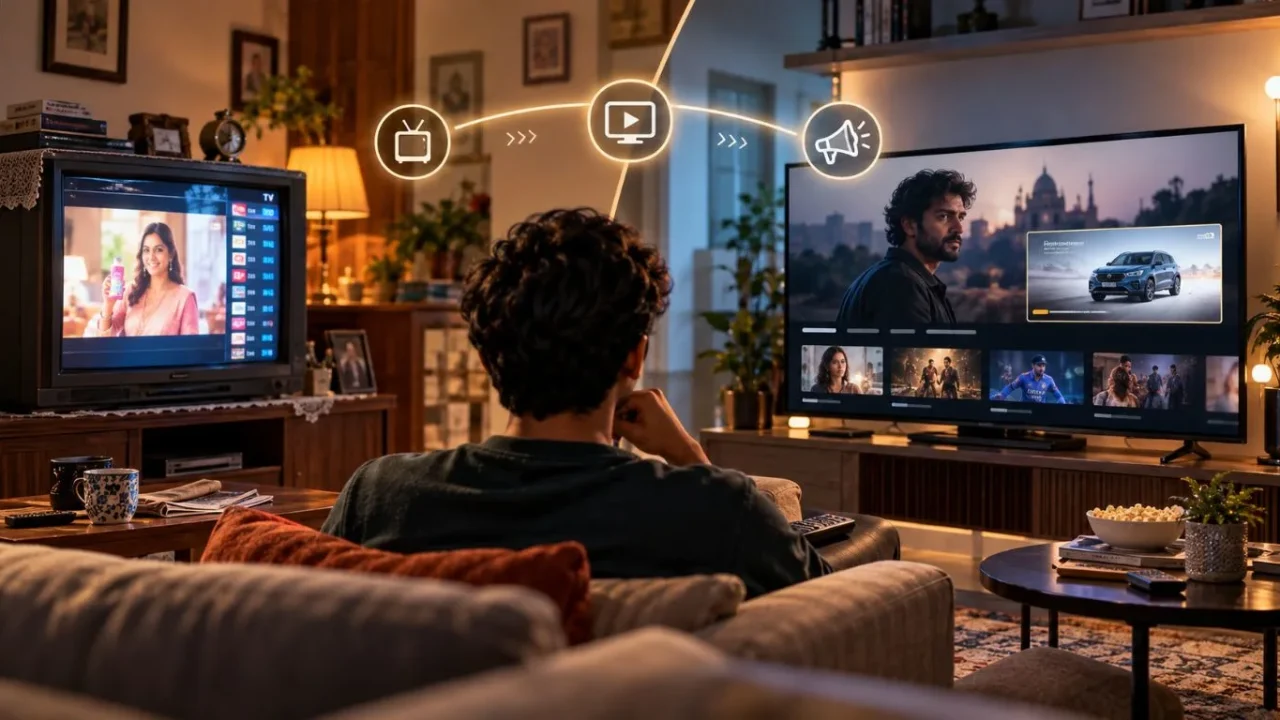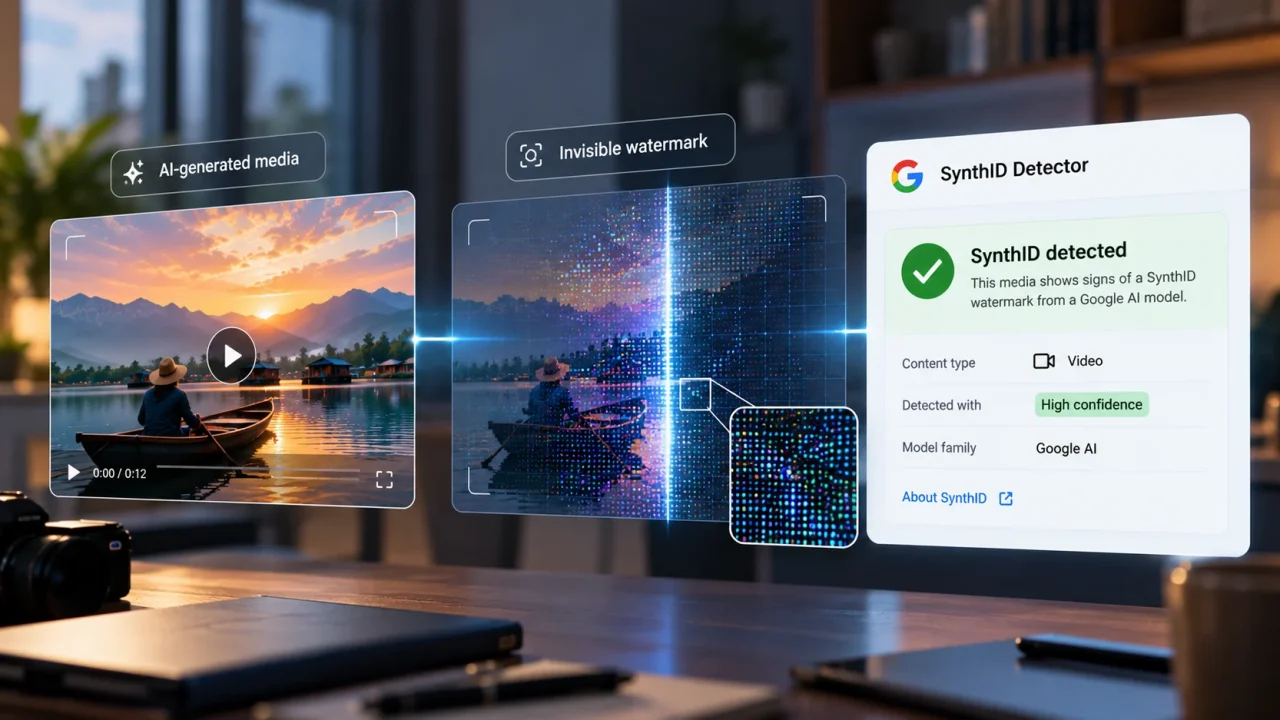
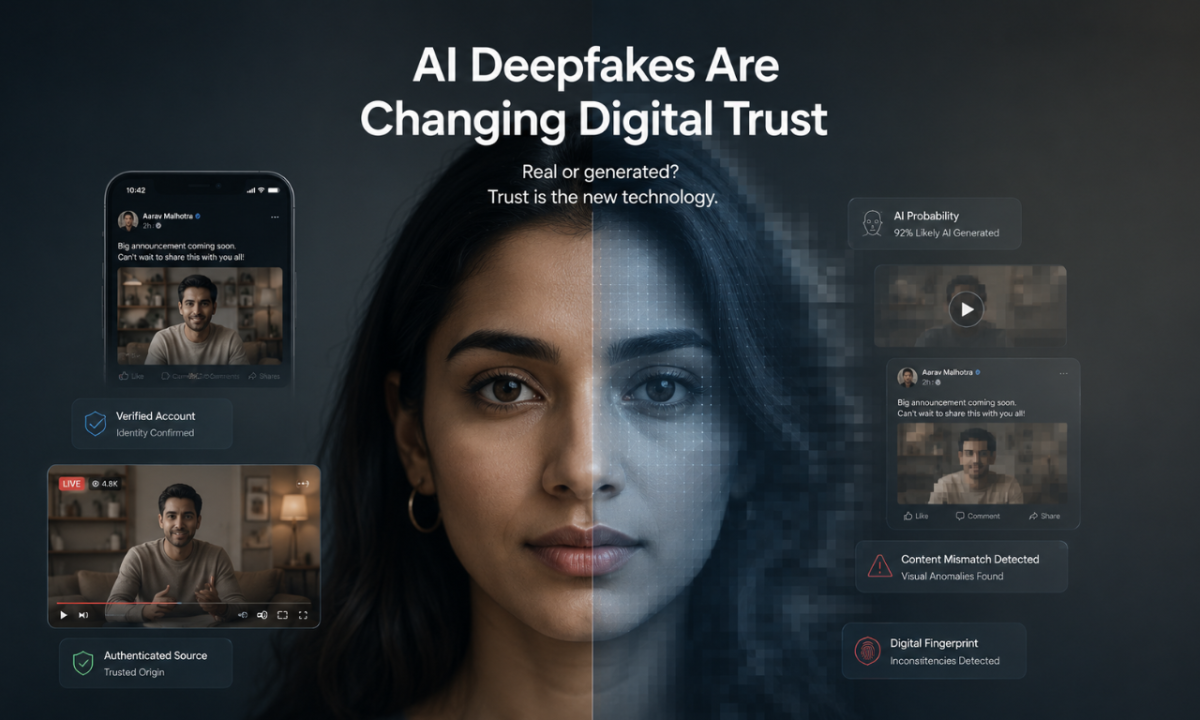

There was a time when a photograph felt like evidence. A voice recording felt like proof, and a video felt almost impossible to dispute. Today, none of those things automatically deserve our trust.
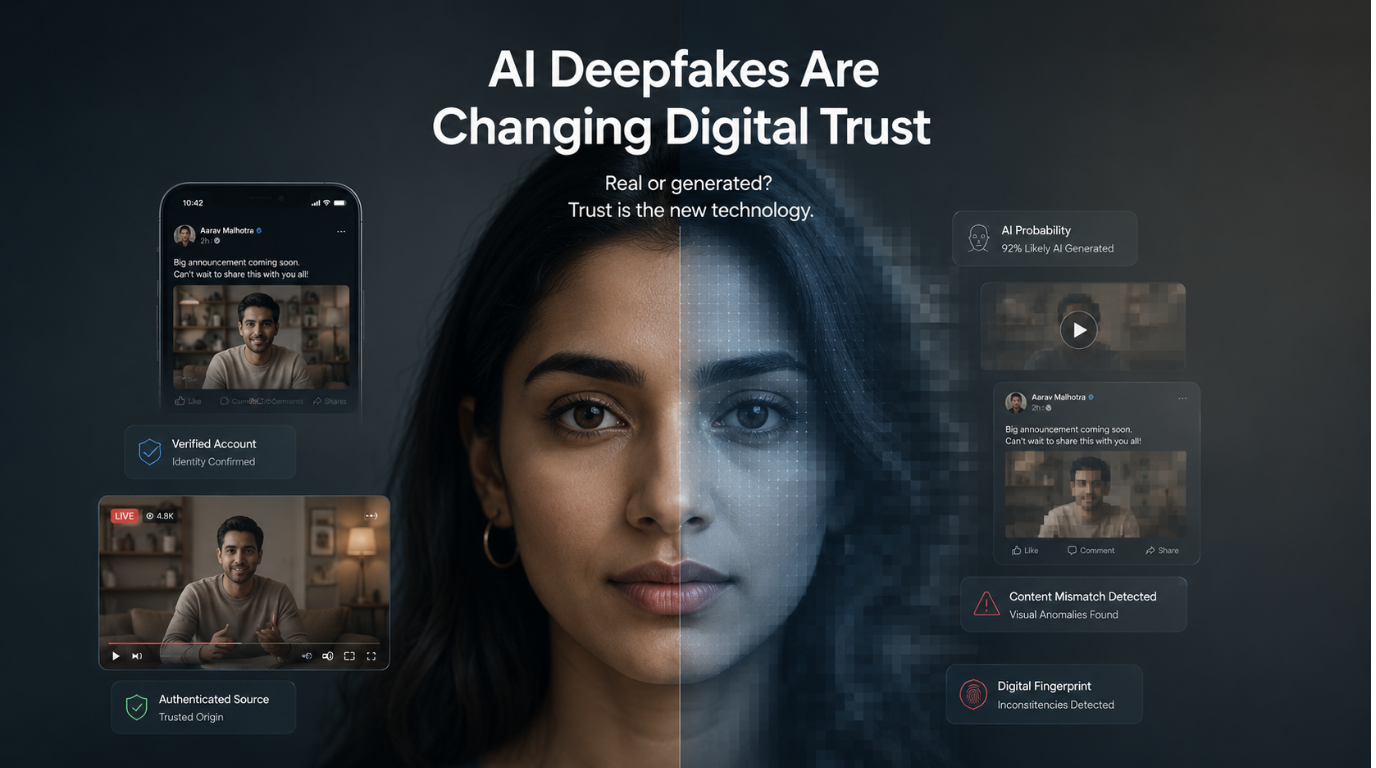
AI deepfakes are changing that relationship between what we see and what we believe.
And strangely, I find that more unsettling than AI writing emails, generating presentations, or creating images. The bigger technological shift isn’t simply that machines can now create realistic content. It is that they can create convincing evidence for things that never happened.
That changes the internet at a fundamental level.
The Internet Is Entering an Era of Synthetic Reality
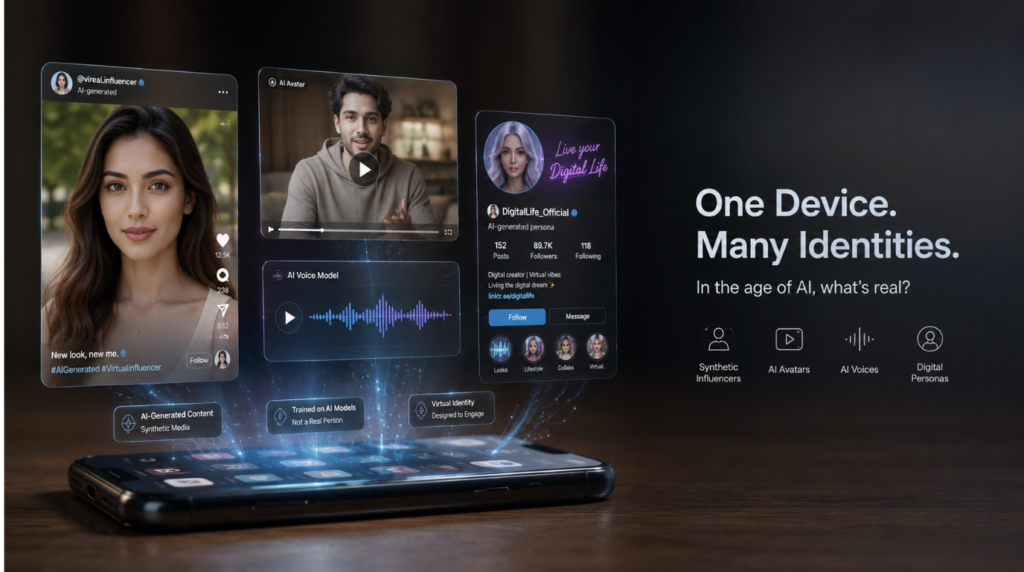
AI deepfakes can now generate faces, clone voices, alter expressions, and produce videos that look remarkably believable. The result isn’t always an obvious fake. Sometimes, it is something much more difficult to identify: content that looks completely ordinary.
A person speaking to camera. A photograph from an apparently real event. A voice message from someone you recognise.
That’s what makes AI deepfakes different from the fake content we were used to seeing online. A poorly edited image could once be dismissed almost immediately. Synthetic media is making that increasingly difficult.
And once our visual instincts stop being reliable, we need another way to decide what deserves our attention.
Why Our Eyes Are No Longer Enough
Human beings are incredibly good at making fast judgments. We see a familiar face and recognise it. We hear a familiar voice and associate it with a person.
That’s useful in the real world. It becomes a problem online.
AI deepfakes exploit the same shortcuts that normally help us navigate information quickly. If something looks familiar, emotional, or believable, we are naturally inclined to accept it before investigating further.
Social media makes this even more complicated because platforms are designed around attention. A shocking video gets watched. An emotional photograph gets discussed. The algorithm sees activity and distributes the content further. It doesn’t necessarily know whether the original content was true.
So we can end up with something particularly strange: the content is fake, but the reaction to it is completely real.
People become angry. People argue. People share it. Brands respond. News outlets discuss it. Suddenly, AI deepfakes of something that never happened has created a very real cultural reaction.
The Marketing Problem Is Bigger Than Fake Content
This is where I think marketers need to pay particularly close attention.
Marketing has always depended on perception. We choose images carefully, select the right spokesperson, create testimonials, and build stories around products. AI deepfakes can now manufacture many of those signals of authenticity.
A perfectly imperfect photograph can be generated. A believable spokesperson can be created. A synthetic voice can sound natural. A fictional personality can build an audience.
And that creates a strange new question for marketers: If something looks authentic, does it actually need to be authentic?
My answer is yes.
Because short-term performance and long-term trust are not the same thing. A synthetic campaign might generate impressive engagement, but if customers later discover that a brand deliberately presented artificial content as real, the conversation changes completely.
The campaign is no longer about creativity. It becomes about deception.
And repairing that kind of trust is far more difficult than generating another campaign.
When AI Can Manufacture Influence
The rise of AI-generated influencers makes this even more interesting.
Influencer marketing was already based on a fascinating psychological relationship. We trust people we don’t personally know because they appear familiar. We see their routines, hear their opinions, and watch them recommend products. Over time, familiarity can become credibility.
Now technology can manufacture the person at the centre of that relationship.
An AI-generated influencer can have a face, personality, voice, content library, and audience without existing in the traditional sense. That doesn’t necessarily mean such influencers are inherently wrong. But transparency becomes critical.
Consumers deserve to know whether they are interacting with a real person, an AI-created character, or a human using AI extensively or worse AI deepfakes.
Because the more realistic AI deepfakes become, the more important disclosure becomes.
The New Marketing Currency May Be Verification

For years, marketers competed on content quality: better photography, better video, better design, and better storytelling. AI is making production faster and cheaper.
That creates an unexpected consequence.
When everyone can produce impressive content, credibility becomes harder to manufacture.
This could make verification a competitive advantage.
The rise of AI deepfakes means audiences may increasingly look for signals that establish provenance and authenticity before they decide whether to trust what they see. For brands, that could mean being transparent about how content was created rather than simply focusing on how impressive it looks.
The Skill We Need Is Not Better Detection Alone
I don’t think consumers can realistically be expected to become forensic experts. Most people won’t know how to examine a video frame by frame or analyse whether a voice recording has been synthetically generated. And frankly, they shouldn’t have to.
The responsibility has to be shared between users, platforms, creators, brands, and technology companies.
But there is one habit anyone can develop: pause before you believe.
Because emotional urgency is one of the easiest ways to bypass critical thinking. AI deepfakes can make that emotional manipulation more convincing, but our response doesn’t have to become more reactive.
The more strongly something makes us feel, the more useful it can be to take a moment before deciding what we think about it.
My Take
I don’t think the answer is to stop using AI. Quite the opposite. AI will become one of the most powerful creative technologies marketers have ever had access to. It can help us experiment faster, personalise experiences, create better stories, and communicate ideas that were previously expensive or impossible to produce.
But capability creates responsibility.
The future of digital marketing won’t simply belong to the people who can create the most realistic content. It will belong to the people who understand when realism needs disclosure, when creativity needs context, and when trust needs to come before performance.
Because AI deepfakes have solved one problem beautifully: they can make almost anything look real.
Now we have to solve the harder problem: How do we know what deserves to be believed?
And perhaps, in a world full of synthetic faces, synthetic voices, and synthetic stories, the most valuable thing a brand can offer won’t be another perfect piece of content.
It will be something much harder to manufacture.
Proof.
As the industry shifts, staying informed about AI trends is essential for anyone. Click through to read another thread!