
India’s E-commerce Boom Won’t Be Built in Metros. It’ll Be Built in Bharat.
For years, whenever someone spoke about India’s e-commerce story, the focus was always on metro cities.
Mumbai.
Delhi.
Bengaluru.
Hyderabad.
But that story is changing faster than most businesses realise.
India’s e-commerce market is projected to grow from around $90 billion today to nearly $250 billion by 2030. That’s not just growth—it’s a complete transformation of how Indians discover, buy and receive products.
And here’s what caught my attention.
The next wave of growth isn’t coming from India’s biggest cities.
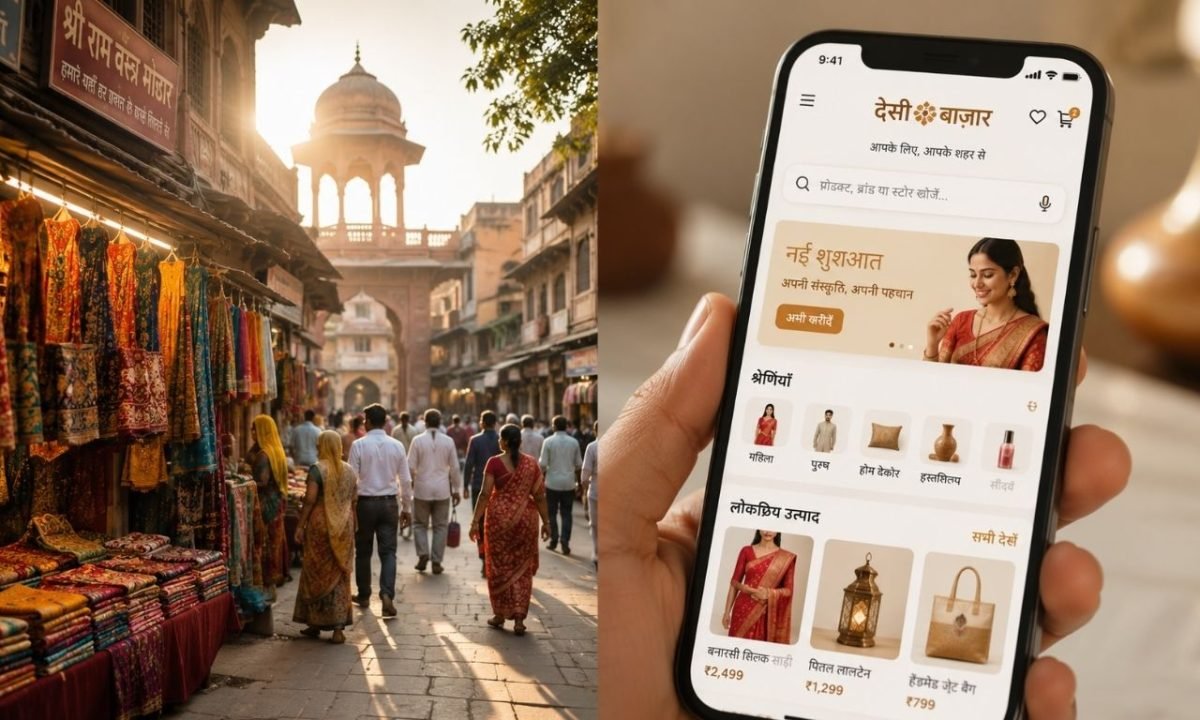
It’s coming from Bharat.
Tier-II and Tier-III Cities Are No Longer the Future
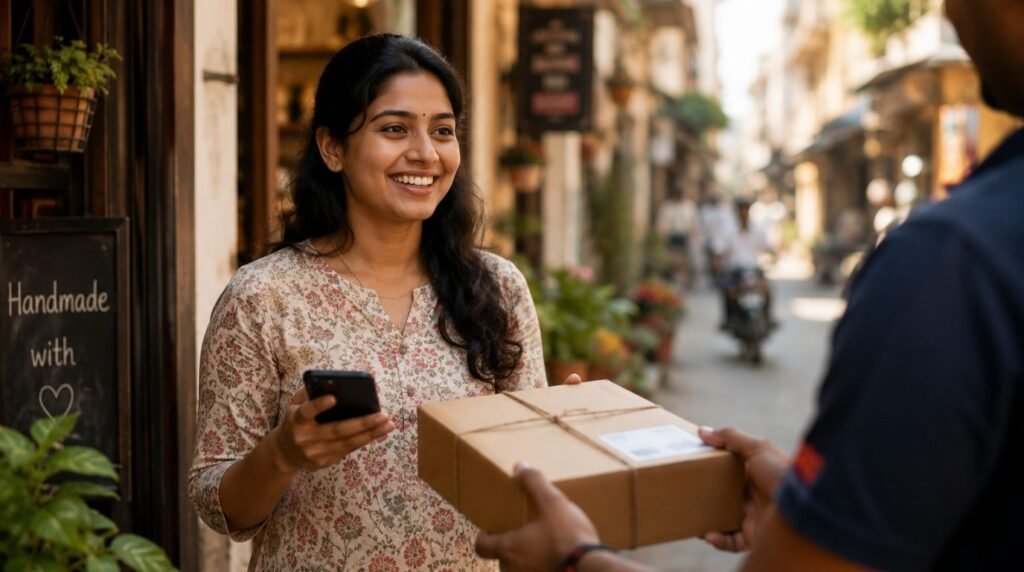
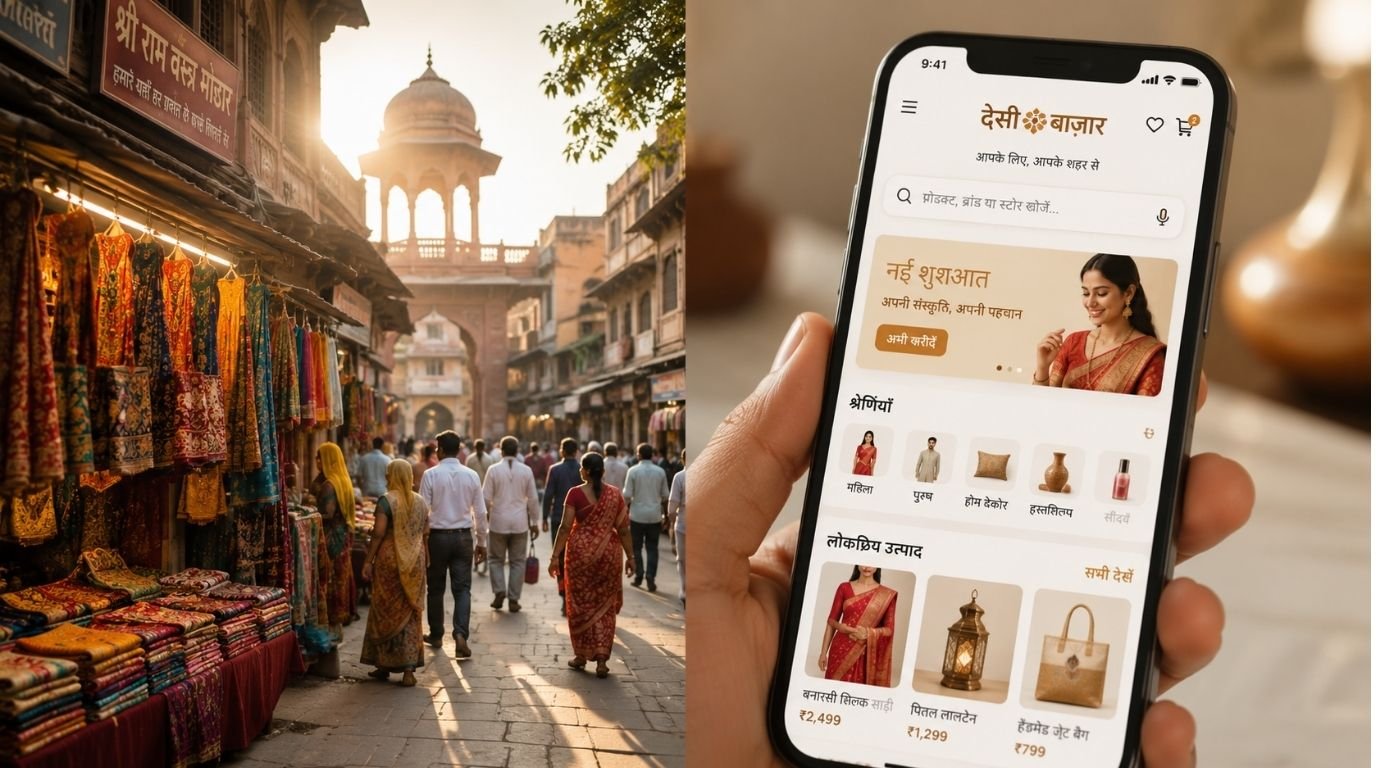
More than 60% of India’s online shoppers already come from Tier-II and Tier-III cities.
Even more interesting is that 488 million rural internet users now account for over half of India’s active internet population.
Think about that for a second.
The largest e-commerce opportunity isn’t waiting to happen.
It’s already here.
The brands that still believe India equals only metro consumers are already playing catch-up.
AI Is Changing the Way India Shops
Artificial Intelligence is quietly becoming the backbone of online commerce.
From personalised product recommendations and smarter search results to faster customer support and demand forecasting, AI is improving every stage of the shopping journey.
But AI alone won’t win customers.
Context will.
A recommendation is only useful if it’s relevant to the customer’s language, preferences and buying behaviour.
That’s where the real opportunity lies.
Vernacular Commerce Is Becoming a Competitive Advantage
One point from the report stood out to me.
Businesses will need to become vernacular-first.
This is far bigger than simply translating a website into Hindi or Tamil.
It’s about creating experiences that feel local.
Product descriptions.
Customer support.
Video content.
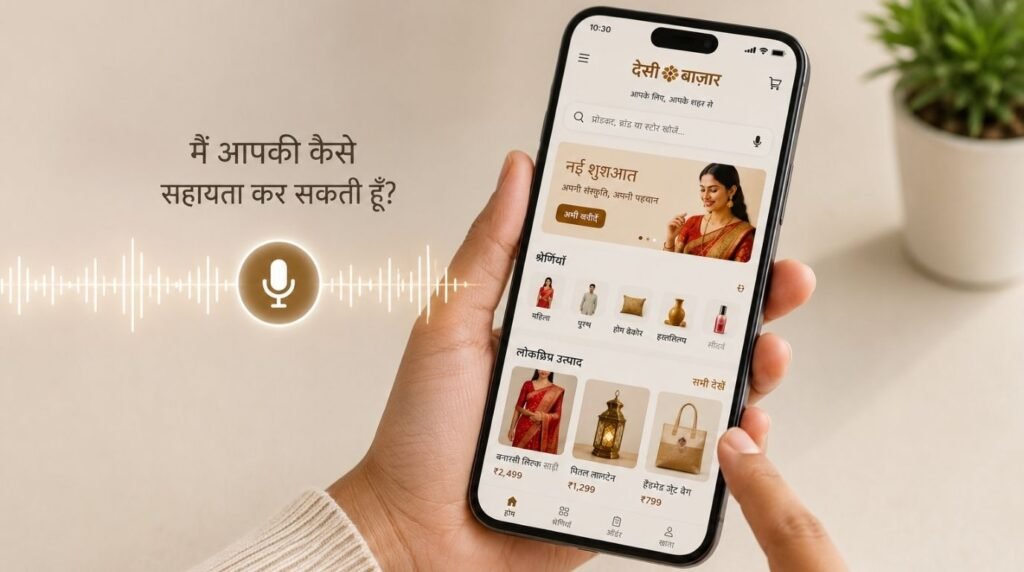
Voice search.
Payment options.
Trust signals.
Every interaction needs to speak the customer’s language—literally and culturally.
The brands that understand Bharat won’t just acquire customers faster.
They’ll retain them longer.
The Marketing Lesson
For years, digital marketers obsessed over audience targeting.
Today, localisation is becoming just as important.
The next successful campaign won’t necessarily have the biggest budget.
It’ll be the one that feels the most familiar to the customer.
Hyperlocal content, regional creators, AI-powered personalisation and seamless logistics will define the next decade of Indian commerce.
My Take
I’ve always believed India’s biggest opportunity was never its population.
It was its diversity.
Every state shops differently.
Every language communicates differently.
Every region trusts differently.
As India’s e-commerce market races towards $250 billion, the winners won’t simply be companies with better technology.
They’ll be the ones that understand Bharat better than anyone else.
The next billion-dollar customer isn’t waiting in another metro.
They’re already online—just expecting brands to finally speak their language.
As the industry shifts, staying informed about the latest tech news is essential for anyone. Click through to read another thread!