
Infosys Has Fewer Young Employees Than It Has Had in 15 Years. That’s a Bigger Signal Than Most People Realize. A Statistic That Deserves More Attention.
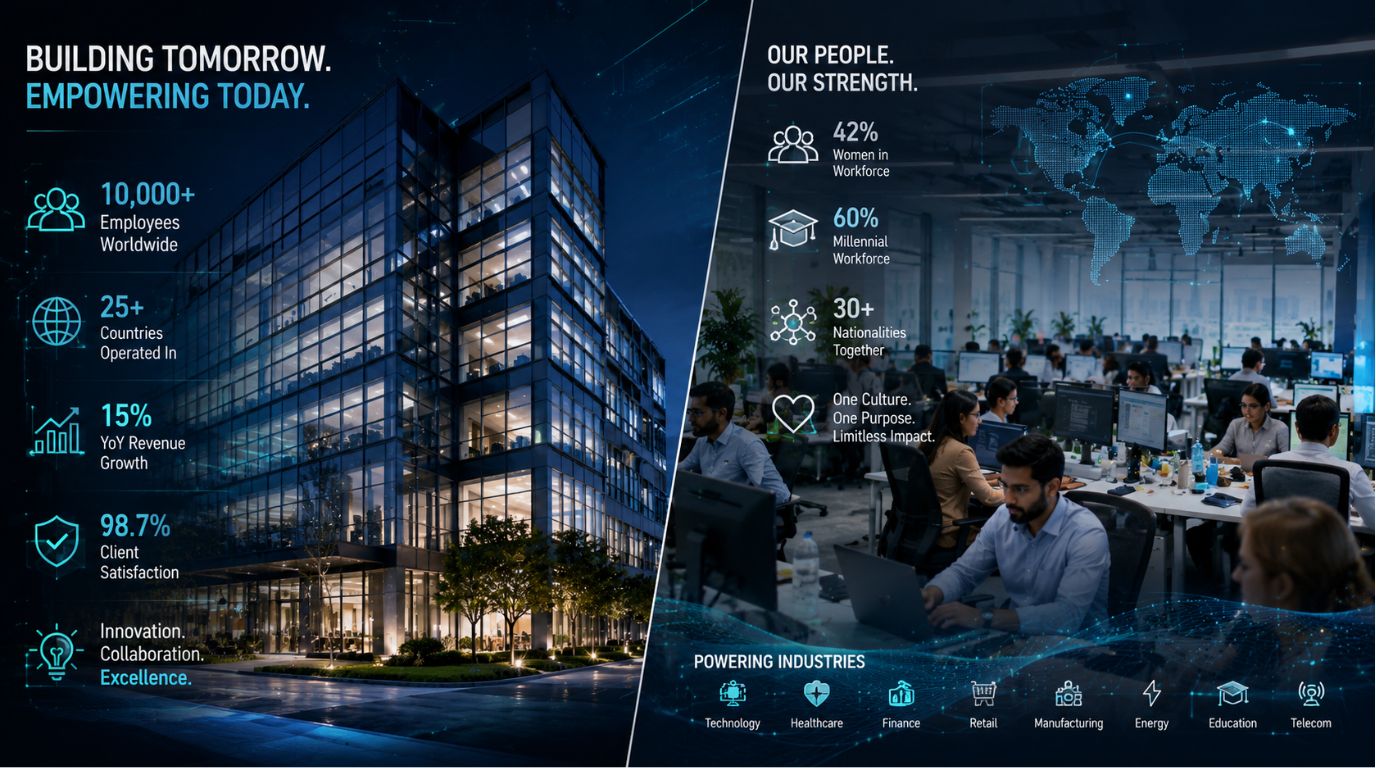
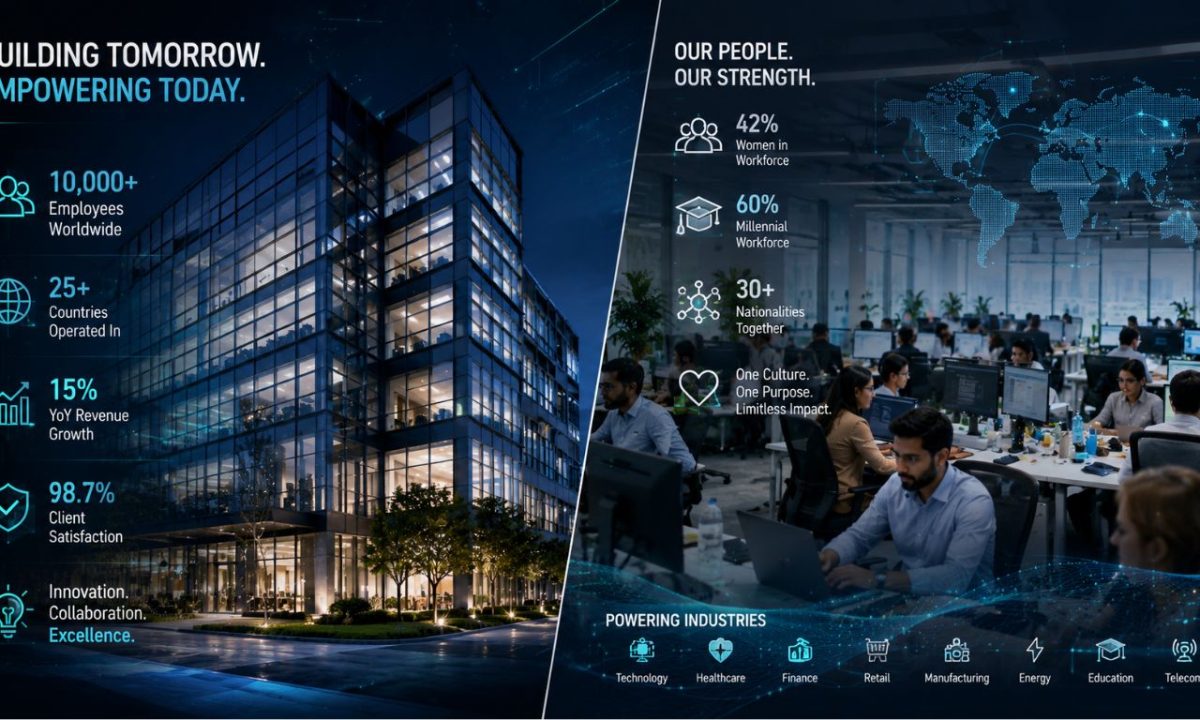
A recent Infosys hiring trends report revealed that the share of Infosys employees under the age of 30 has fallen to 51% in FY26, down from 60% just four years ago.
At first glance, that might not sound dramatic. After all, 51% is still a majority.
But when one of India’s largest technology employers records its lowest proportion of young workers in 15 years, it’s worth asking: Is this just an isolated corporate shift, or is it a broader reflection of shifting Infosys hiring trends and a glimpse into the future of work?
The Traditional IT Talent Model is Changing
For decades, Indian IT services companies followed a predictable formula.
Hire large batches of fresh graduates. Train them. Deploy them across projects. Scale rapidly.
This model worked brilliantly because many entry-level tasks were repetitive, process-driven, and could be learned relatively quickly.
But today’s workplace looks very different. A closer look at recent Infosys hiring trends indicates that companies are increasingly looking for professionals who can:
- Solve complex business problems
- Work with AI tools
- Manage client relationships
- Understand multiple technologies
- Deliver outcomes instead of simply completing tasks
Experience is becoming more valuable. And that’s changing hiring priorities.
AI Might Be Quietly Reshaping Entry-Level Hiring
Let’s address the elephant in the room.
AI.
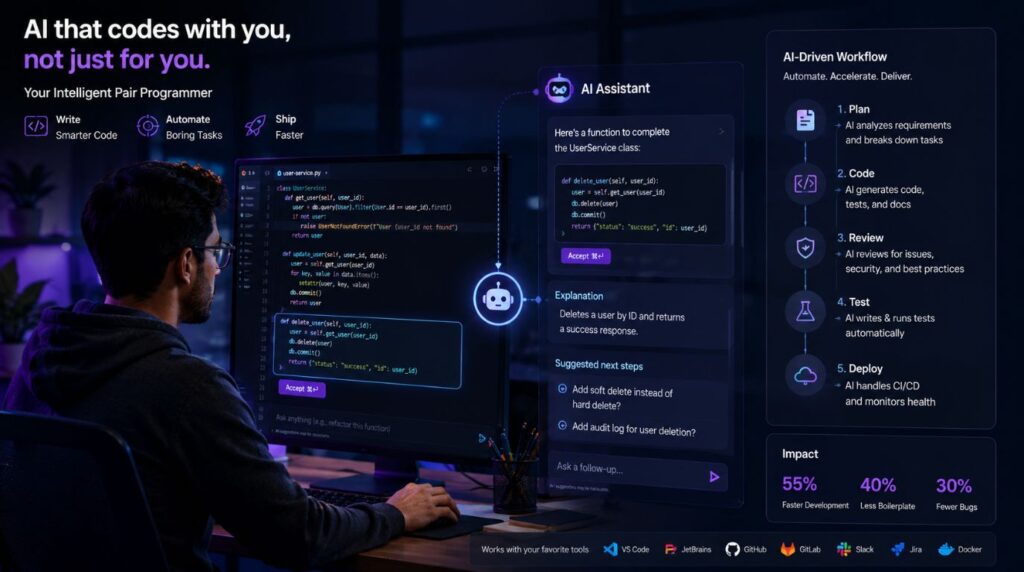
Many of the tasks traditionally assigned to fresh graduates can now be completed faster using AI-assisted workflows.
Documentation. Basic coding. Testing. Research. Data summarization.
This doesn’t mean young talent is no longer needed. Far from it. But it does mean companies may not need the same volume of entry-level employees as they did five or ten years ago.
As Infosys hiring trends show a lean away from pure numbers, the question is no longer: “How many people can we hire?”
It’s becoming: “How much can one skilled person accomplish?”
The Rise of The Mid-Career Professional
What’s interesting about the data is that the decline in younger employees has been offset by growth in employees aged 31–50. That tells us something important.
Organizations are increasingly valuing professionals who bring:
- Domain expertise
- Leadership capability
- Client management skills
- Industry knowledge
- Strategic thinking
These are areas where AI still struggles. Technology changes. Human judgment remains valuable.
What This Means for Students
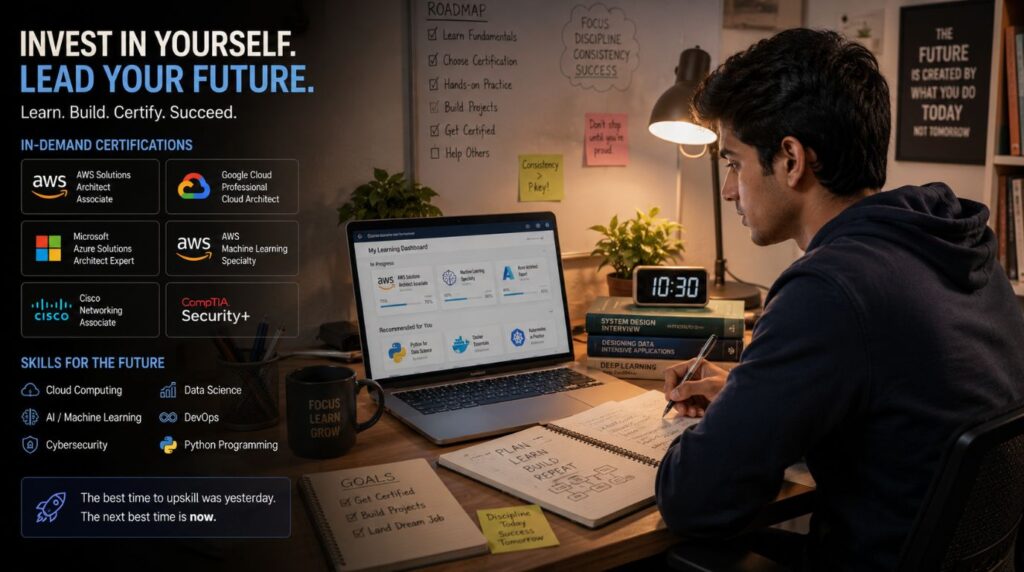
This is where the conversation becomes important. Many students still believe that a degree alone guarantees employability. That assumption is becoming dangerous.
The graduates who will thrive over the next decade are the ones who combine:
1.Technical Skills
Understanding AI, data, automation, and digital tools.
2. Business Skills
Knowing how organizations make money.
3. Communication Skills
Explaining ideas clearly and working with teams.
4. Adaptability
Learning faster than technology evolves.
The market is rewarding capability, not credentials.
The Good News Nobody is Talking About
This trend isn’t necessarily bad news for young professionals. It’s a wake-up call. Every major technological shift changes hiring patterns.
The internet did. Smartphones did. Cloud computing did. AI will too.
The winners won’t be those who compete with AI. They’ll be the ones who learn how to work alongside it.
My Take on Infosys Hiring Trends
I don’t think we’re witnessing the decline of young talent. We’re witnessing the decline of low-value work. Companies are becoming more selective because technology is becoming more capable. That raises the bar. But it also raises the opportunity.
A motivated 22-year-old today has access to tools, knowledge, and learning resources that previous generations could only dream of. The challenge isn’t getting a job. The challenge is becoming so valuable that companies can’t ignore you.
Final Thoughts on Infosys Hiring Trends
The Infosys hiring trends data is more than a workforce statistic. It’s a signal. A signal that experience is being rewarded. A signal that AI is reshaping entry-level work. And a signal that the future belongs to people who continuously learn, adapt, and evolve.
The age of automatic career progression is ending. The age of continuous reinvention has begun.
As the industry shifts, staying informed about the latest skills-first hiring news is essential for anyone. Click through to read more such threads!