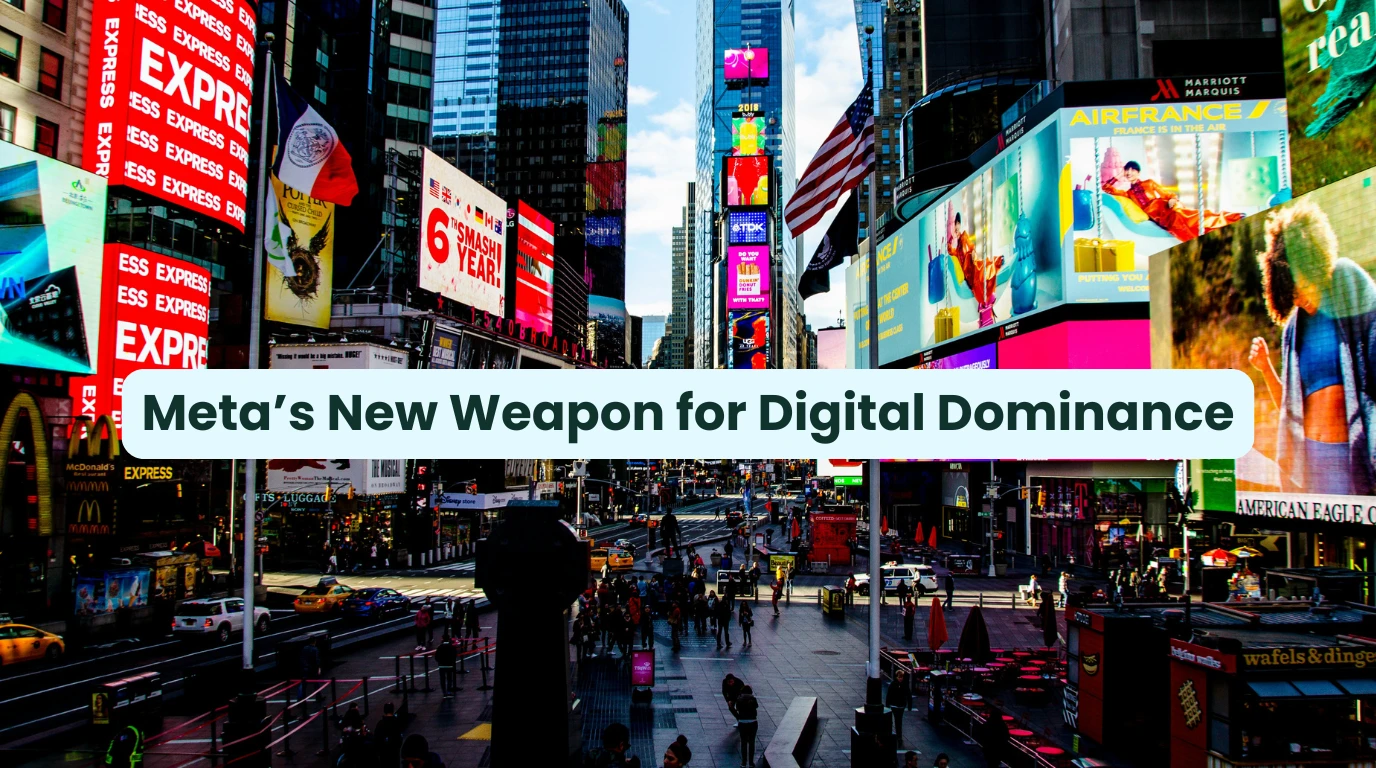


Have you ever opened Instagram or Facebook during a major festival, a big cricket match, or a movie launch and felt like the same brand followed you everywhere you scrolled? You see its ad in Stories, come across it again in Reels, and spot it again while scrolling your feed. Suddenly, it feels like the brand is everywhere.
This visibility may look like an algorithm working overtime. But now it can also come from a carefully planned advertising strategy. Meta, the parent company of Facebook and Instagram, has launched a format called Ads Super Burst.
It is available through its ad planning tools. The idea is simple: instead of spreading a campaign across many days, brands can reserve a short window. This helps them reach a large audience in one day.
Think of it as a digital prime-time TV commercial. A brand uses it to reach as many people as possible. It focuses on one important moment.
But how does Ads Super Burst work, what makes it different from a regular advertising campaign, and why might brands be interested in it?
What is Meta Ads Super Burst?
To understand Ads Super Burst, it helps to understand how digital advertising usually works.
When a business runs a conventional campaign on Facebook or Instagram, its ads generally compete in an automated auction. The platform decides which ads to show based on the advertiser’s bid and audience settings. It also considers estimated relevance and the campaign’s objective.
This system works well for many businesses. A local restaurant can promote a weekend offer. An online store can advertise a new collection. A travel company can reach people interested in holiday packages. But what happens when a brand wants to make a much bigger impact on a specific day?
Imagine a smartphone company launching its most anticipated device of the year. It wants people to hear about the launch that day, not gradually over the following week.
This is where Ads Super Burst comes in.
The format is described as a reservation-based advertising option within Meta Reach Planner. Advertisers can plan a concentrated campaign window lasting between three and 24 hours on a single calendar day.
Rather than relying only on ongoing auctions, the reservation model lets eligible advertisers plan with a quoted cost. It also provides estimated reach, subject to the booking terms. The objective is to create a concentrated advertising moment around a launch, major event or seasonal shopping occasion.
The Biggest Advantage: Category Exclusivity

The most interesting part of Ads Super Burst is not simply the potential reach. It is the option for category exclusivity on selected dates.
Think about the last time you saw an advertisement for a soft drink, only to come across an advertisement for its direct competitor a few posts later. Both brands are competing for your attention, even if neither knows exactly what you will remember.
Category exclusivity is designed to change that dynamic for eligible bookings. Under the described arrangement, a brand can reserve an advertising window that limits direct competitors from advertising within the covered category and inventory for the duration of the campaign.
Consider an automotive brand launching a new electric car. If its booking qualifies for category exclusivity, the campaign could have a stronger presence without competing automotive advertisements appearing alongside it within the scope of that reservation.
For the advertiser, this creates an opportunity to own more of the conversation around a launch.
However, it is important to understand the limits. Category exclusivity does not always mean a brand controls all of Facebook and Instagram. It also does not mean competitors are blocked from every ad placement. The actual coverage depends on Meta’s booking rules and the specific reservation.
For brands investing heavily in a one-day launch, even a short time with less direct competition can help.
Ads Super Burst vs. Standard Ads Burst: What’s the Difference?
Meta’s standard Ads Burst format is also designed to concentrate advertising delivery, but it spreads the campaign over a longer period.
The difference comes down to how quickly a brand wants to reach people and how often it wants them to see the advertisement.
| Feature | Ads Super Burst | Standard Ads Burst |
|---|---|---|
| Campaign window | 3–24 hours on a single day | Spread across 2–5 days |
| Frequency | Cap of one, as described for the format | Configurable; supplied product information states a default of two times per day |
| Category exclusivity | Available for selected bookings | Not available, according to the supplied product description |
| Main objective | Concentrated reach in a short window | Sustained visibility across several days |
| Best suited for | Product launches, premieres and major events | Holiday weekends and multi-day promotions |
The frequency cap is an important distinction. With a cap of one, the format aims to reach unique people. It avoids showing the campaign to the same person again within the delivery scope. This does not mean every user will see the ad. The actual reach depends on the eligible audience, campaign settings and delivery conditions.
For a brand launching a product on Friday, Super Burst may fit the need to generate immediate awareness. For a retailer running a five-day festive sale, a standard Burst campaign may offer a more suitable window.
Neither approach is automatically better. The right choice depends on the campaign objective.
Does Ads Super Burst Actually Work?
A large campaign can look impressive on a media plan. But reach alone does not show if people remember an ad. It also does not show if they want to buy the product.
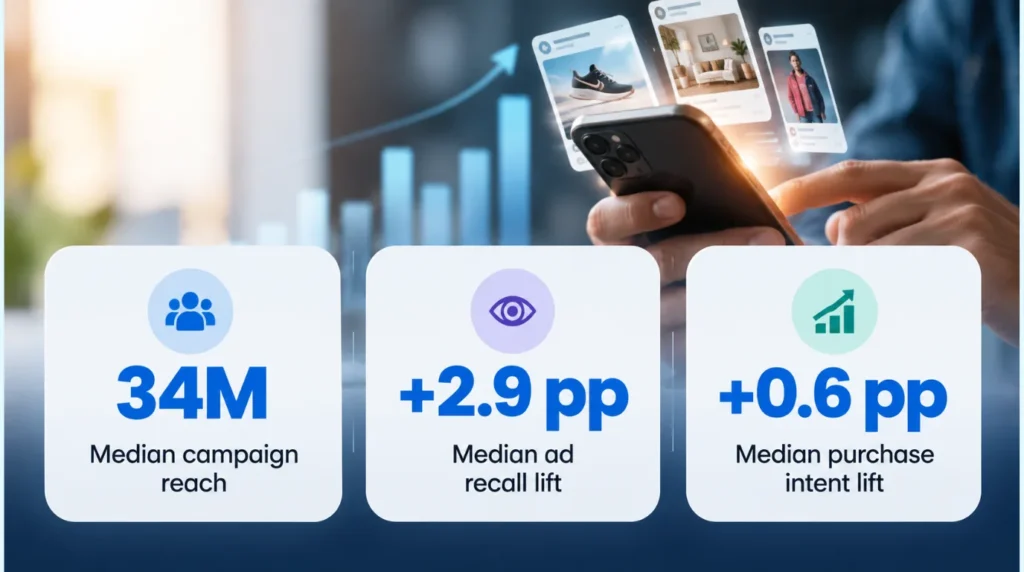
The early pilot figures provided for Ads Super Burst offer some insight into how the format has performed:
- 34 million unique users: Median campaign reach reported in the early pilots.
- 2.9 percentage-point lift in ad recall: The median increase in how likely people were to remember seeing an ad.
- 0.6 percentage-point lift in purchase intent: The median increase reported in consumers’ stated likelihood of purchasing.
These figures suggest that concentrated reach may help brands create a measurable awareness moment.
But there is a difference between remembering an ad and buying the product. Someone may remember a smartphone launch without buying the phone. In the same way, a person may recognise a festive campaign without visiting the retailer.
You should also treat the figures as reported pilot results, not guaranteed outcomes for every advertiser. Performance can vary with the creative, audience, product category, timing and measurement approach.
Why This Matters For The Future of Digital Advertising
For years, digital advertising has been associated with targeting, optimisation and automated bidding. Businesses have become used to adjusting campaigns based on performance and reaching different audiences with different messages.
Ads Super Burst points towards another approach: using digital platforms to create large, coordinated advertising moments.
Think about a major cricket final. A brand sponsoring the event may want to build awareness of the match itself. This works best when audiences are already focused on the same cultural moment. A concentrated advertising window could help it coordinate that message across multiple placements. The same idea applies to a movie premiere, a major product announcement, or the first day of a big sale.
This does not mean digital advertising is returning to television in its entirety. Social platforms still offer audience controls, interactive formats and measurement options that differ from traditional television. Instead, the two approaches are beginning to share a familiar principle: sometimes, brands want to reach many people around the same moment.
For advertisers, that creates another option in the media-planning toolkit. Continuous auction campaigns can remain useful for ongoing performance goals, while reserved campaigns may suit specific events that demand concentrated awareness.
What Should Advertisers Consider Before Booking?
Ads Super Burst may sound attractive, but a concentrated campaign is not the right answer for every business.
First, the timing needs to matter. A major product launch or a limited-time event offers a clear reason to reach people within a short window. An ordinary campaign with no particular deadline may benefit more from a longer period of delivery.
Second, the creative needs to be ready. If a brand spends a lot to reach many people in a few hours, the message must be clear and memorable. A complicated advertisement may waste the opportunity.
Third, advertisers need to consider their budgets. A reservation-based format with a focused reach goal may not fit every campaign. This is true when a business needs individual leads. It also applies when it must track direct-response sales in a smaller audience.
Finally, the booking conditions matter. Advertisers should confirm availability, pricing, eligible placements, frequency rules and category-exclusivity terms with Meta before making a media commitment.
The format is best viewed as another option for specific campaign goals, not a replacement for every other type of Meta advertising.
What Happens Next?
The important question is how brands use Ads Super Burst in practice.
Will advertisers reserve concentrated windows for major launches and seasonal events? Will category exclusivity become an important consideration for brands competing in crowded industries? And will the early awareness results translate into stronger business outcomes across different categories?
These are questions that future campaign evidence will need to answer.
For marketers, the most useful measures will extend beyond the number of people reached. Ad recall, brand consideration, purchase intent and actual conversions can help determine whether the additional concentration delivers value for the campaign’s objective.
The format may create a powerful opportunity for brands with a clear reason to be visible on a particular day. Its long-term value will depend on whether that visibility translates into something more than a crowded feed.
Noticing a sudden drop in your Meta ad performance? Read our guide on Meta Ads Performance Drop to identify common issues and get your campaigns back on track.
DMT Take On Meta’s Ads Super Burst
Ads Super Burst reflects a key idea in digital advertising. Even with automated targeting and nonstop auctions, brands still need moments to reach big audiences together.
A new smartphone launch, a major sporting event or the first day of a festive sale can give advertisers a reason to concentrate their campaigns into a short window. For the right campaign, that can help create a memorable brand moment.
But reach alone is not the same as attention, and attention is not the same as sales. A brand can appear everywhere for one afternoon and still leave little impression if its message does not connect with the audience.
The real opportunity is to match the media strategy to the moment. Use a concentrated campaign when timing and scale matter. Use longer-running campaigns when you need sustained engagement or ongoing conversions.
The takeaway for marketers is simple: being everywhere for a day matters only if people remember why you were there.
Sources
- Meta Business News — Brand Building Summit 2026
- Meta Business Help — Ads reservation information
- Meta Business Help — Reach Planner

Daksh Juneja is a performance marketing expert, trainer, and content creator featured in HT Tech. He helps businesses drive up to 4X ROI through Google and Meta Ads.