
The AI Race Has Officially Become a Geopolitical Race
Understanding the geopolitics of AI is no longer optional for business leaders. For the longest time, the artificial intelligence conversation revolved around one primary question: “Which company will build the best model?”
Today, that question has fundamentally shifted. The query on every board member and policymaker’s mind is now: “Which country will control the future of AI?”
The recent surge of Chinese AI models entering global markets—from Moonshot’s Kimi K3 to Alibaba’s Qwen 3.8 Max—isn’t just another technology headline. It is a stark reminder that artificial intelligence has officially become a strategic asset—much like crude oil, advanced semiconductors, or nuclear technology.
Governments around the world are paying close attention—and your business strategy needs to reflect this shift.
From Innovation to National Security
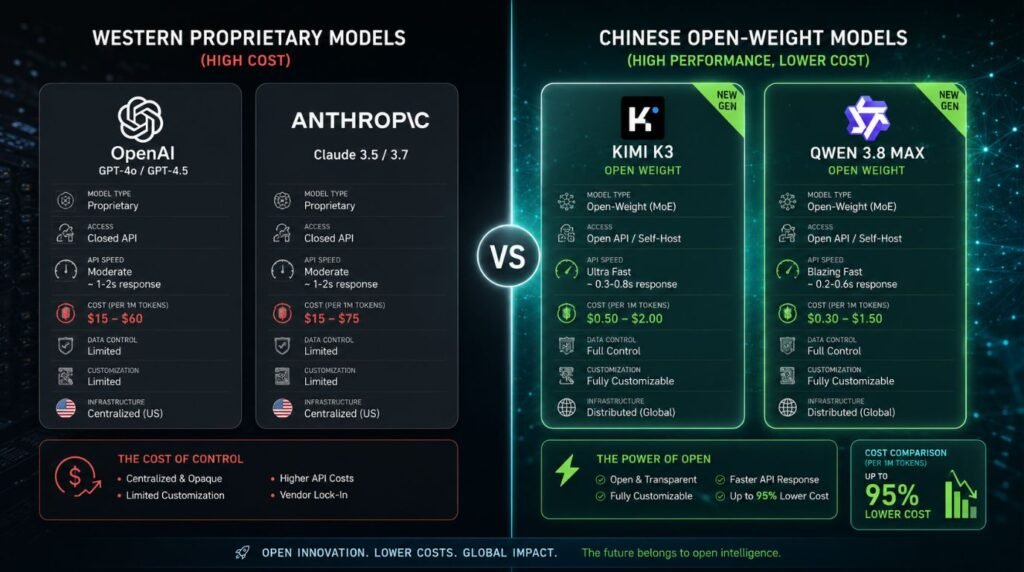
According to recent reports, leaders from companies like OpenAI and Anthropic have expressed concerns over the rapid rise of Chinese AI models, citing potential security risks and the need for stronger oversight.
On the other hand, Chinese models like Kimi K3 and Alibaba’s Qwen 3.8 Max are impressing developers with their capabilities—and more importantly—their pricing.
For businesses, this creates an obvious dilemma. Should they choose the most capable AI? The most affordable AI? Or the one their government considers safest?
Suddenly, choosing an AI model isn’t just a technology decision. It’s becoming a geopolitical one.
How the Geopolitics of AI Redefines Enterprise Strategy
Many people still think AI competition is about who builds the smartest chatbot. It isn’t.
The true geopolitics of AI centers around which global powers will build and control the core digital infrastructure that underpins:
- Enterprise software
- Defence systems
- Healthcare infrastructure
- Financial services
- Manufacturing
- Research
- Education
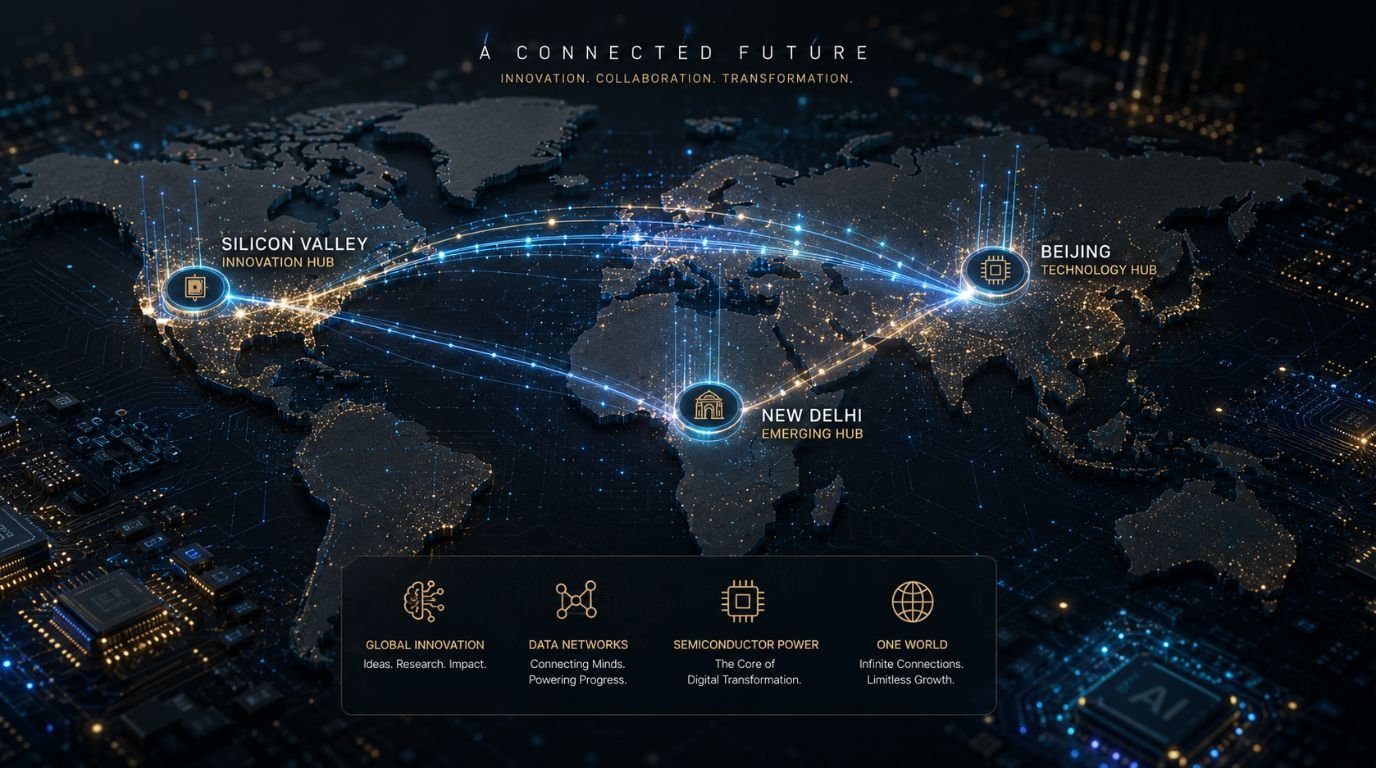
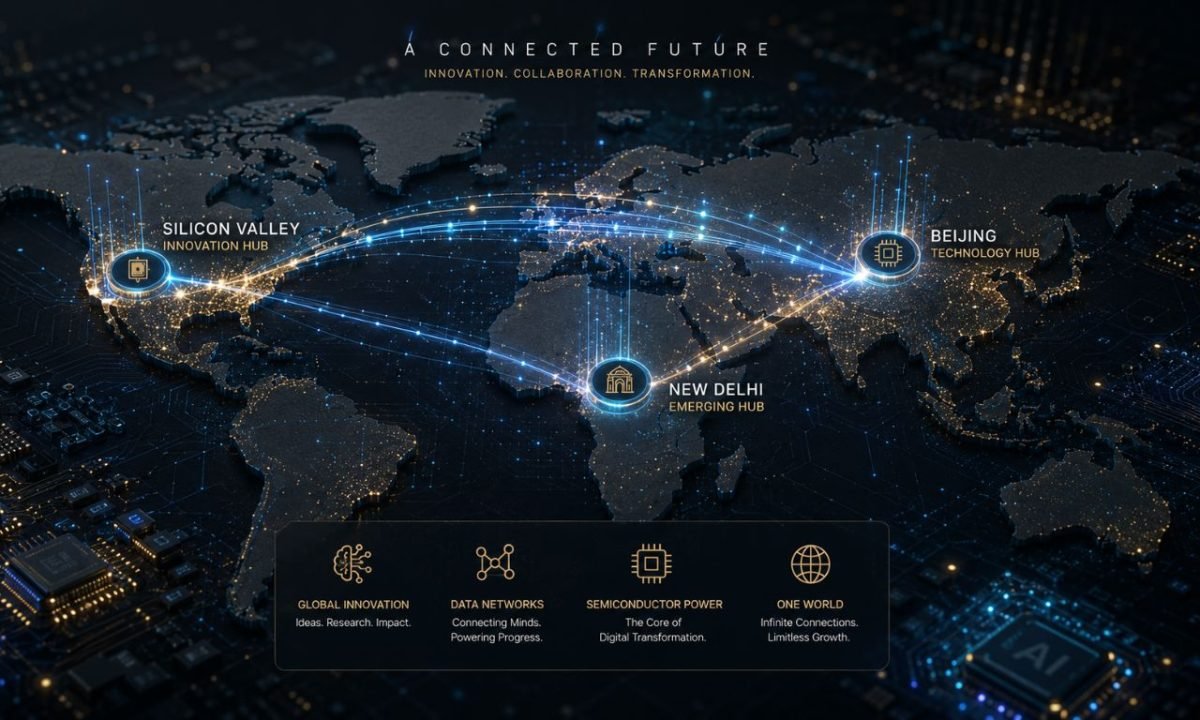
The country whose AI becomes the default platform gains enormous influence over the world’s digital economy. That’s why this race matters far beyond Silicon Valley or Beijing.
Businesses Will Need an AI Strategy, Not Just an AI Tool
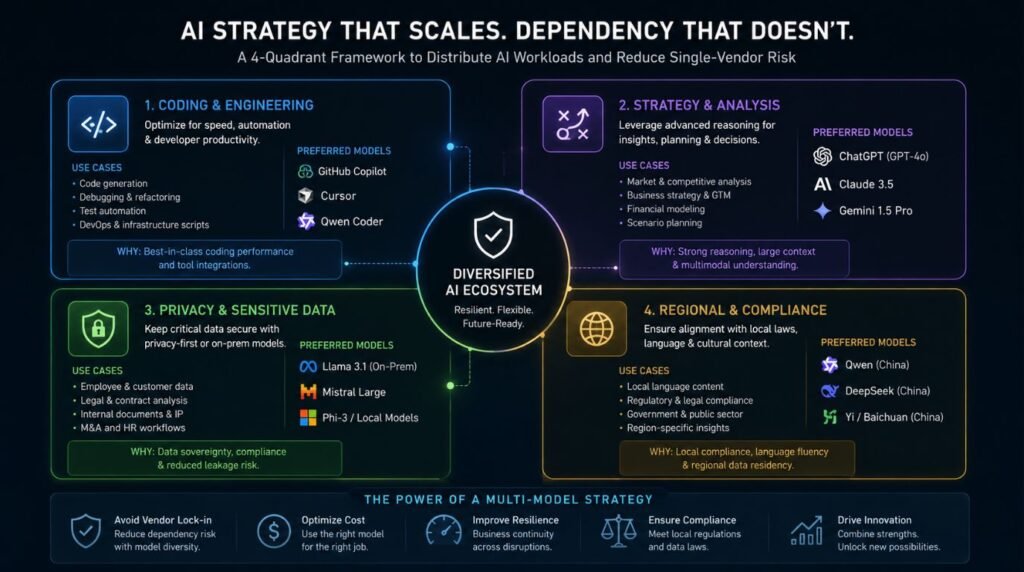
Most organisations today ask: “Which AI should we subscribe to?”
I think that’s the wrong question. The better question is: “What happens if this model becomes unavailable tomorrow?”
Companies will increasingly adopt multi-model strategies. One model for coding. Another for research. Another for internal knowledge. Another for compliance.
Just like businesses don’t rely on a single cloud provider anymore, they probably won’t rely on a single AI provider either.
What This Means for India
This seismic shift in the geopolitics of AI presents an enormous opportunity for nations like India. Rather than feeling forced to choose sides between global superpowers, emerging tech hubs can focus on building applied enterprise solutions.
We’ve already proven our strength in software services. The next opportunity lies in AI infrastructure, language models, enterprise applications, healthcare AI, education AI, and manufacturing automation.
The winners won’t necessarily be the companies building the largest foundation models. They’ll be the ones solving real-world problems using them.
The Real Takeaway on Geopolitics of AI
Every major technological revolution eventually transforms into a geopolitical issue:
- The Internet redefined global commerce and communication.
- Semiconductors reshaped international trade dependencies.
- 5G Networks created strict national security boundaries.
AI is following the same trajectory.
As marketers, founders, and corporate leaders, we must stop viewing AI merely as a personal productivity shortcut. It is an integral component of global strategy, national economic policy, and enterprise competitive advantage.
The geopolitics of AI is no longer just about who writes the smartest prompt. It’s about who shapes the future. And this race has only just begun.
As the industry shifts, staying informed about AI trends is essential for anyone. Click through to read another thread!