
Deeptech Ecosystem in India Has Arrived. Now Comes the Hard Part.
For years, India has proudly called itself the startup capital of the world. But let’s be honest. A large part of our startup ecosystem has revolved around solving convenience problems—food delivery, quick commerce, fintech, and marketplaces.
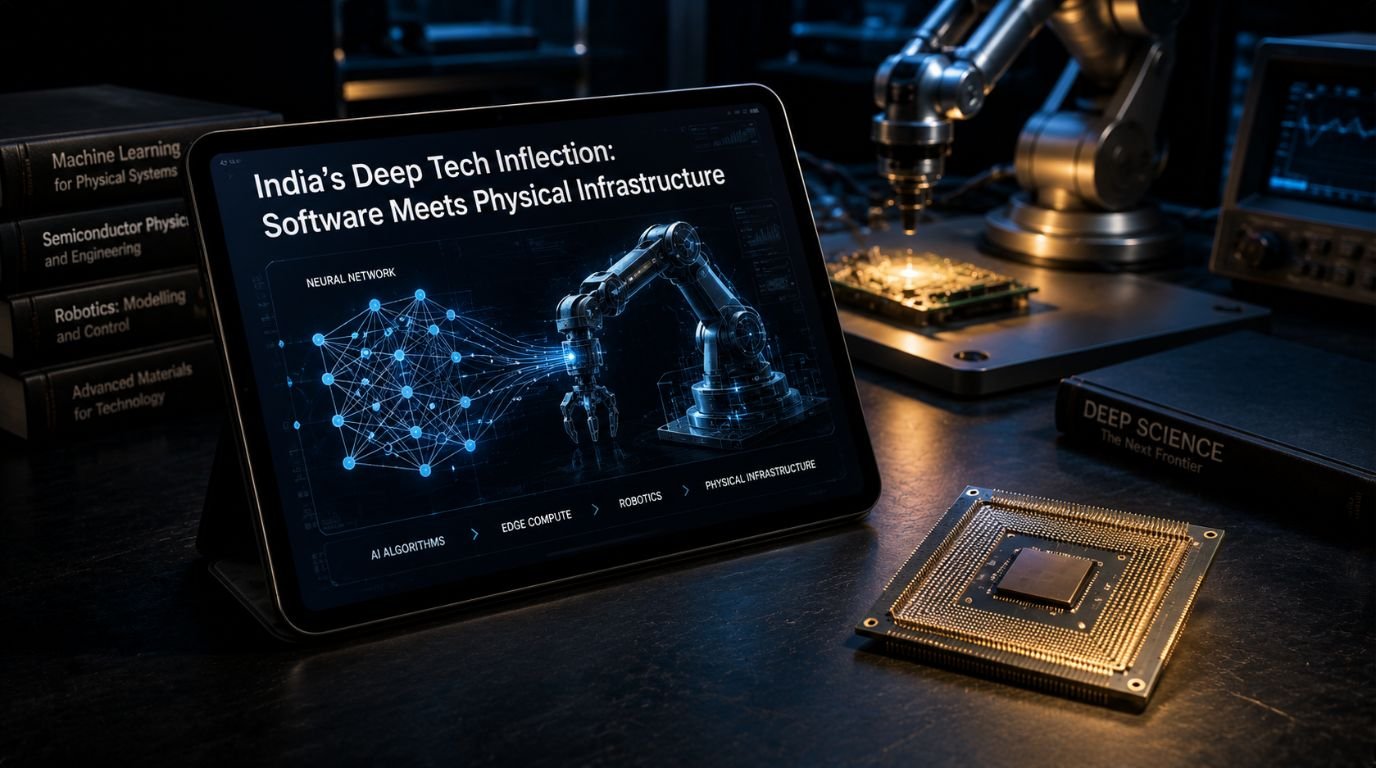
Now, something much bigger is quietly happening. India’s deeptech ecosystem is beginning to accelerate.
Funding has reached $1.47 billion in 2025, up from just $484 million in 2020. The country now has over 4,200 deeptech startups, driven by AI, semiconductors, robotics, manufacturing, space technology, biotech, and advanced engineering.
That’s not just another startup trend. It’s the beginning of India’s next innovation chapter.
Deeptech Ecosystem Is Different From Traditional Startups
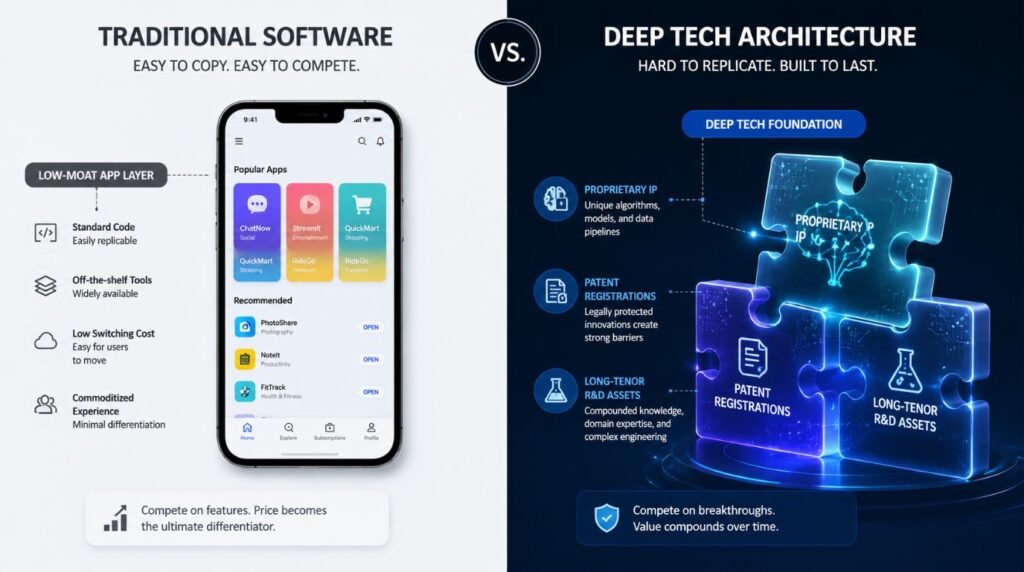
Most startups focus on improving existing business models.
The deeptech ecosystem creates entirely new technologies. It takes years of research, patents, experimentation, engineering, and scientific breakthroughs before a product even reaches the market.
This isn’t about launching an app in six months. This is about solving problems that didn’t have solutions yesterday. And that’s exactly why the deeptech ecosystem creates long-term value.
Our Universities Are Becoming Startup Factories
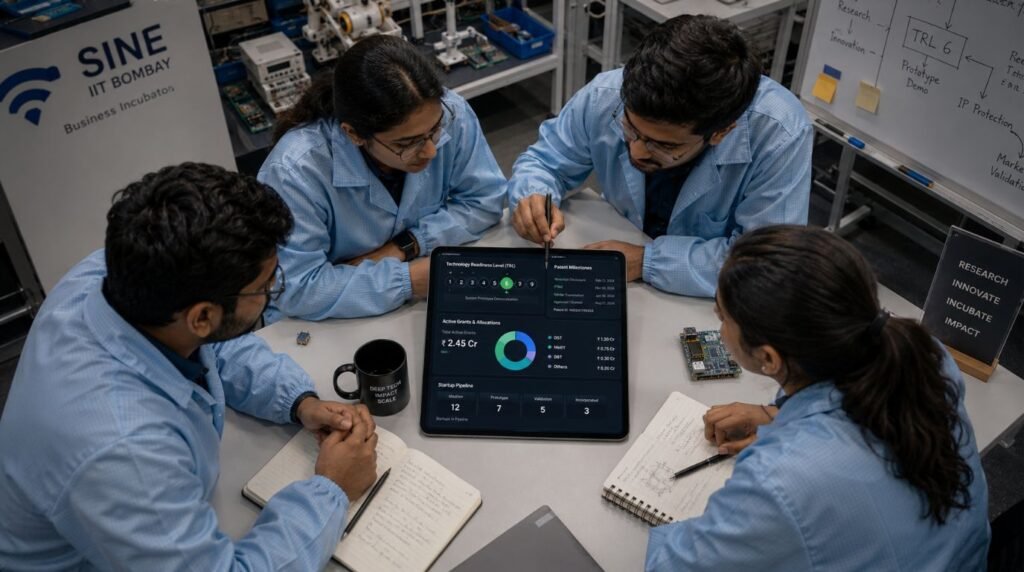
One statistic immediately stood out to me.
Institutions such as BITS Pilani, IIT Bombay, IIT Delhi, IIT Kharagpur, IIT Kanpur, and IIT Madras are producing an increasing number of deep tech founders.
For years, Indian engineering colleges were known for producing employees. Today, they’re increasingly producing entrepreneurs. That’s a mindset shift worth celebrating.
When research meets entrepreneurship, innovation becomes scalable.
But We Still Have a Long Way to Go
While the progress is encouraging, the comparison with the United States is a reality check. India has around 259 deeptech startups in this category. The US has 673. The funding gap is even wider.
US deeptech investments continue to outpace India by a massive margin because its ecosystem has stronger links between academia, venture capital, research institutions, defence innovation, and private industry.
The good news?
India is moving in the right direction. The challenge is accelerating faster.
Funding Alone Won’t Solve the Problem
One number worries me more than the funding figures.
The private sector contributes only 41% of India’s R&D spending, compared to over 70% in countries like the US and China.
Innovation doesn’t happen only inside universities. Companies need to invest in research. Governments can create policies. Universities can build talent. But businesses have to commercialize innovation.
Without industry participation, the deeptech ecosystem will always remain a promising idea instead of becoming a global force.
AI Is Accelerating Everything
Almost every deeptech ecosystem category today has AI embedded into it. Healthcare. Semiconductors. Manufacturing. Agriculture. Climate technology. Space. Robotics.
AI isn’t replacing the deeptech ecosystem. It’s amplifying it.
This is why the next decade won’t just produce AI startups. It will produce AI-powered deeptech companies solving problems we’ve struggled with for decades.
My Take
For the first time in our modern industrial history, India is shifting from a nation known primarily for IT services to a nation recognized for technological breakthroughs.
We have already proven to the world that we can manage software at a population scale. Now, we have the historic opportunity to build deep technology that the rest of the world relies on.
Ultimately, the rise of deeptech startups in India is not just about producing another batch of overnight unicorns or generating viral startup headlines. It is about laying the physical, sovereign foundation for our economic future. The companies born in our research laboratories today are quietly building the global tech infrastructure of tomorrow.
As the industry shifts, staying informed about AI trends is essential for anyone. Click through to read another thread!