
For years, marketers have obsessed over one question: How do we increase engagement? Today, I think we should be asking a different one: At what point does engagement become addiction?
That question becomes harder to ignore as live shopping continues to blur the line between e-commerce, entertainment and social media.
A recent Wall Street Journal report on Whatnot caught my attention. The platform combines live video, real-time auctions, social interaction and instant purchases. One user’s experience was particularly shocking.
What reportedly began as a nostalgic hobby eventually led to more than $1.3 million in spending, loans and the collapse of his marriage.
The product didn’t force him to spend but it certainly made spending feel effortless.
Why Live Shopping Feels Different
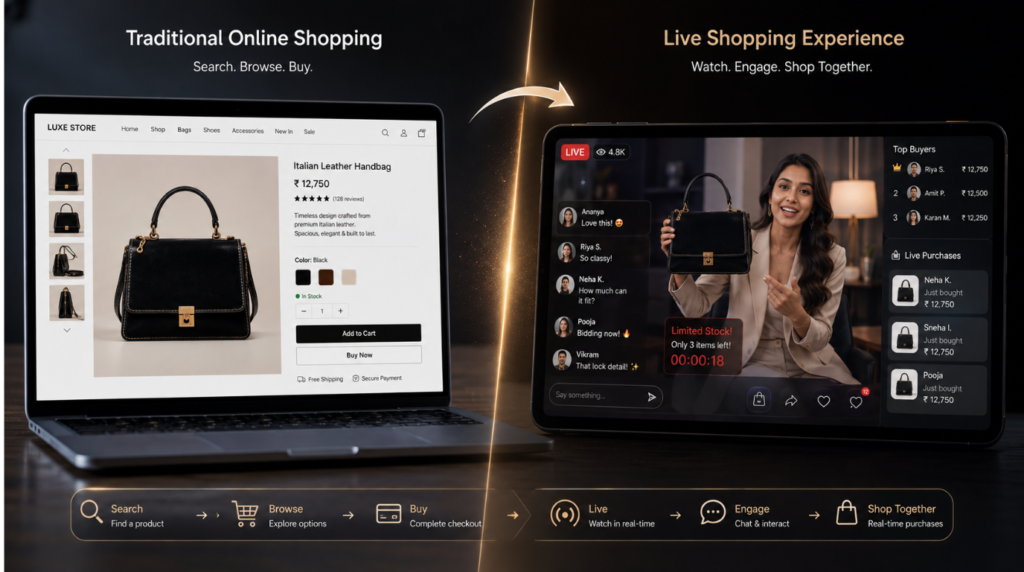
Traditional e-commerce is relatively simple. You search for a product, compare options, read reviews and make a decision. Live shopping changes that journey.
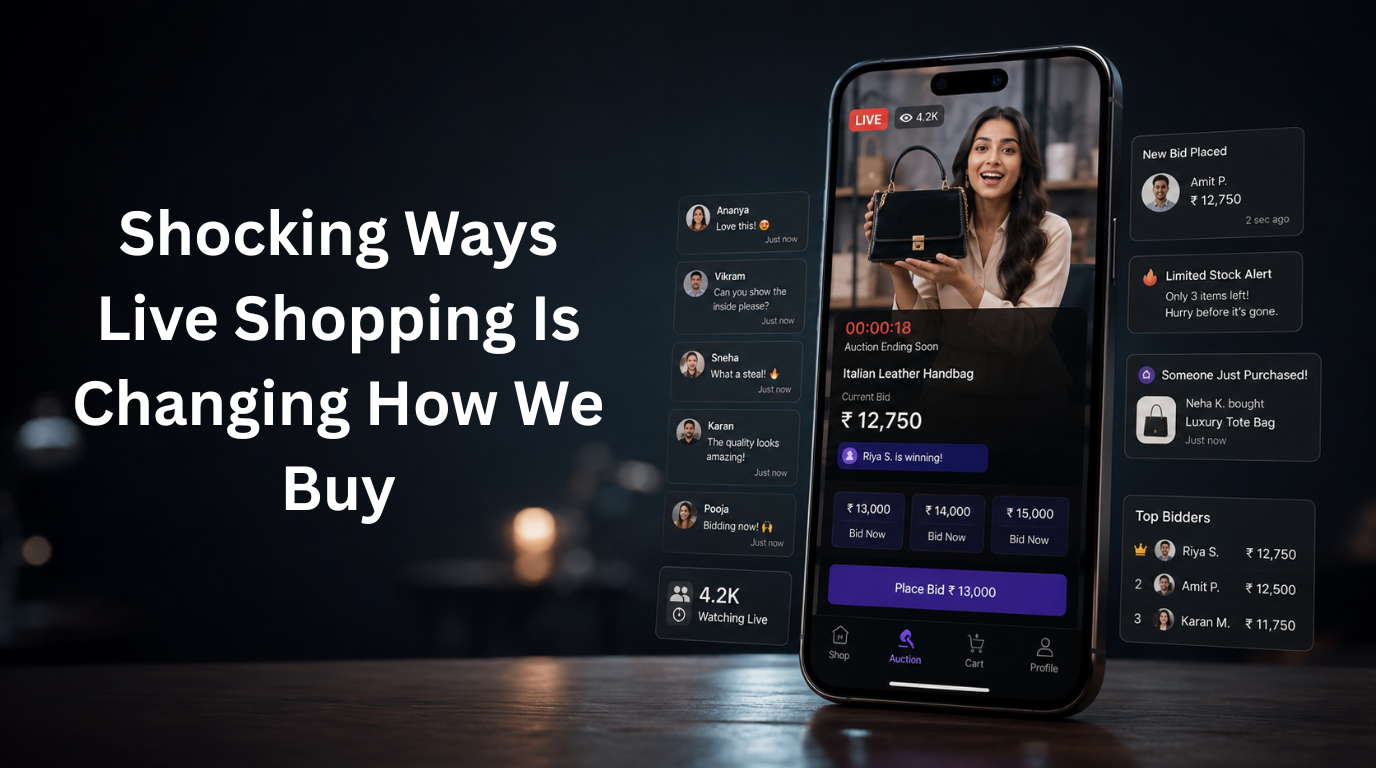
Now you’re watching a host, interacting with other viewers, responding to countdowns, watching bids increase and seeing products disappear in real time.
Every auction creates urgency, every limited opportunity creates FOMO and every bid creates another reason to stay. And when thousands of people are watching and reacting at the same time, shopping starts feeling less like a transaction and more like entertainment. That is what makes live shopping so fascinating and potentially concerning.
The experience doesn’t simply sell you a product. It sells you the excitement of buying it.
The Psychology Behind the Purchase
These aren’t entirely new psychological techniques. Casinos have used them for decades and social media refined them.
Now live shopping is bringing many of the same principles into commerce.
Infinite feeds become endless auctions, notifications become bidding triggers, mystery rewards replace predictable purchases and social proof comes from seeing hundreds of people participate in real time. The result is a shopping experience where the emotional decision can happen before the rational one.
As a marketer, I can understand why this works but as a consumer, it worries me.
Because there’s an important difference between creating an engaging customer experience and creating an environment where customers struggle to disengage.
When Engagement Becomes the Business Model
We’ve spent years talking about customer experience. But increasingly, companies are also optimising for customer time spent.
The metric shifts from satisfaction to session length, from customer value to transactions, from loyalty to dependency and this is where live shopping deserves more scrutiny.
A longer session isn’t automatically a better customer experience. Someone might stay because they genuinely enjoy discovering products. But they might also stay because every countdown, notification and limited-time opportunity gives them another reason not to leave.
For marketers, that distinction matters.
Growth metrics can tell us what customers are doing. They don’t always tell us whether the experience is good for them.
AI Will Make This Question Even More Important
The next stage could be even more complicated.
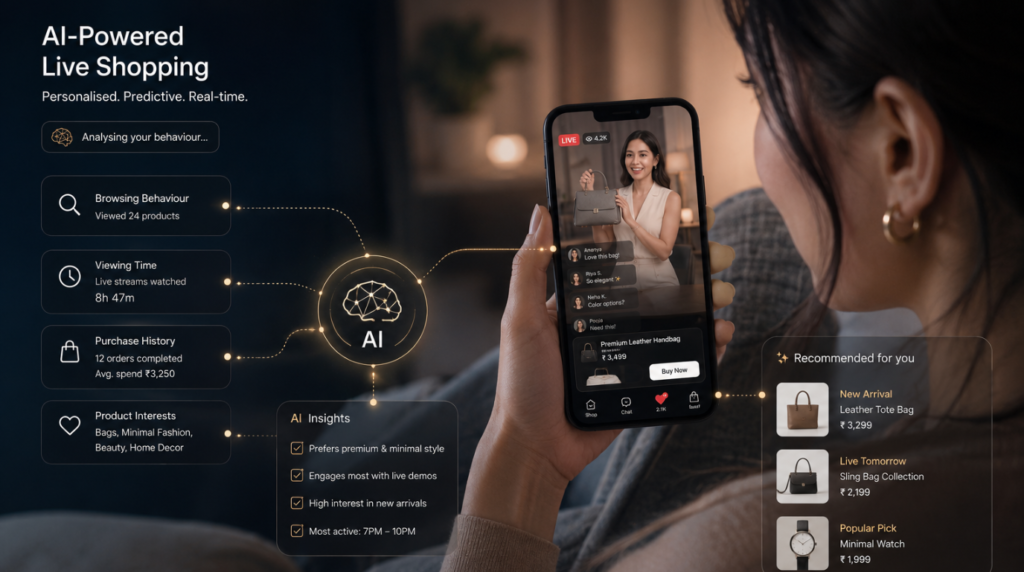
As AI becomes better at understanding individual behaviour, live shopping platforms can become increasingly personalised.
AI can learn what catches our attention, which products we pause on, when we’re most likely to buy and which recommendations trigger a response. That can create better customer experiences but it can also create more effective manipulation.
The more technology understands our impulses, the greater the responsibility to ensure that personalisation serves the customer and not just the conversion rate.
This is why ethical product design could become one of the biggest competitive advantages of the next decade.
My Take
The future of live shopping shouldn’t be about removing the excitement from commerce. It should be about understanding where excitement ends and manipulation begins.
The brands that truly stand out over the next decade won’t necessarily be the ones with the highest engagement rates. They’ll be the ones consumers feel comfortable recommending to their families.
Because trust compounds. Manipulation doesn’t.
Technology will continue making shopping faster, easier and more personalised. But the best customer experience shouldn’t leave people wondering why they bought something they never intended to buy.
The future of e-commerce isn’t just about selling faster. It’s about building something customers won’t regret buying tomorrow.
That’s a much harder product to build.But it’s the one worth building.
As the industry shifts, staying informed about digital trends is essential for anyone. Click through to read another thread!