
For years, when we spoke about India’s e-commerce growth, the conversation revolved around quick commerce, ONDC, marketplaces, and digital payments.
But this week, the government announced something that could have a much bigger long-term impact—especially for Indian brands that want to sell globally.
India is allowing 100% Foreign Direct Investment (FDI) in inventory-based e-commerce exclusively for exports.
It may sound like another policy update. It isn’t.
This could become one of the biggest catalysts for Indian brands going global.
So, what has changed?
Until now, foreign-funded e-commerce companies operating in India largely had to follow a marketplace model, where they connected buyers and sellers but couldn’t own inventory for domestic sales.
The new proposal creates a separate framework for export-only inventory-based e-commerce.
The government is also planning:
- A separate mechanism for exporters to claim GST refunds.
- Clear guardrails to distinguish export operations from domestic sales.
- Better end-to-end tracking of exported goods.
- Simplified export processes for businesses.
The objective is simple: make it easier for Indian MSMEs and sellers to sell to customers across the world.
Why this matters
Most Indian businesses don’t struggle because their products are bad.
They struggle because exporting is complicated.
Documentation.
GST.
Warehousing.
Inventory management.
Cross-border logistics.
Returns.
Compliance.
Every additional layer discourages smaller businesses from going global.
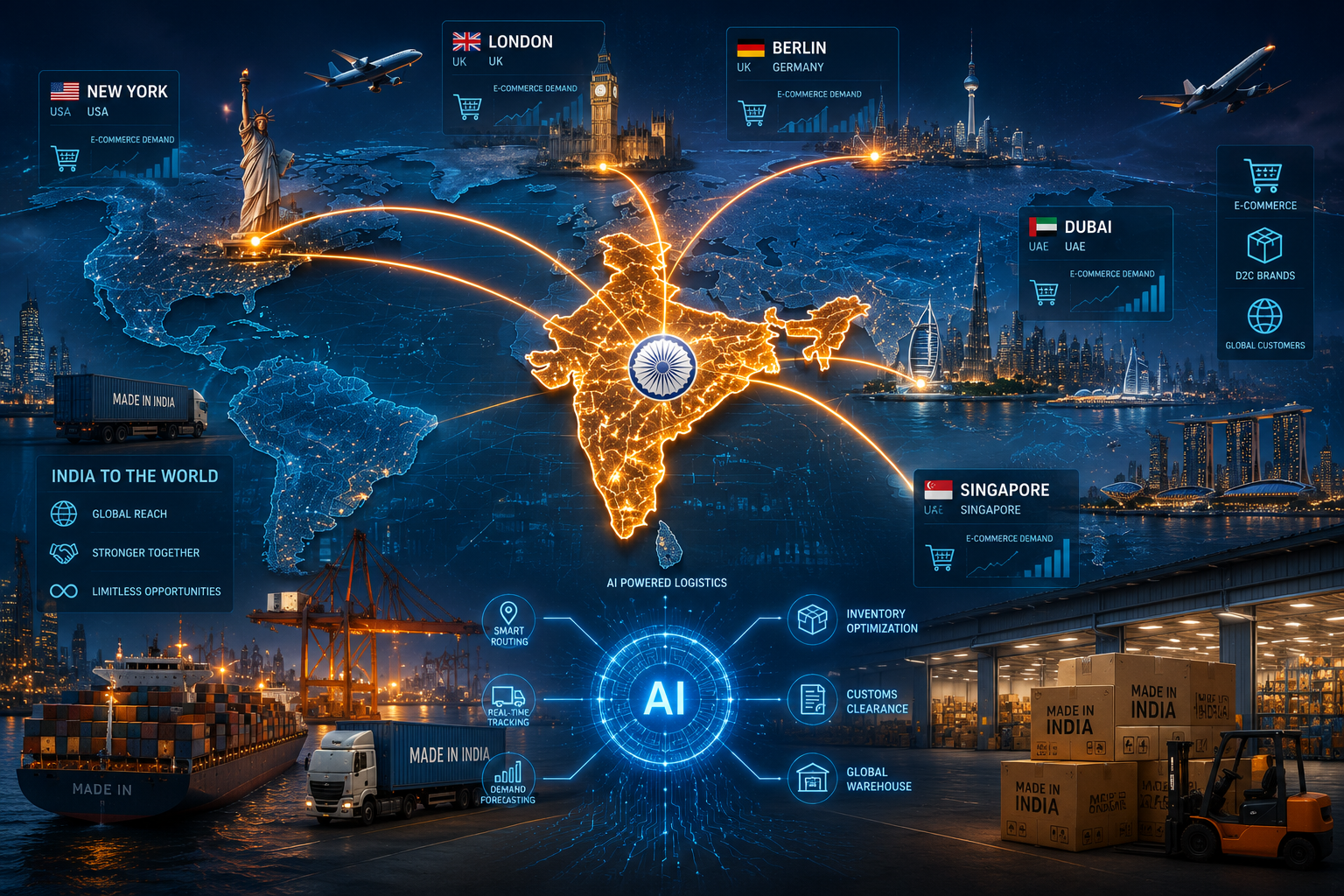
If these bottlenecks are simplified, thousands of Indian brands could suddenly access customers in the US, Europe, the Middle East, and Southeast Asia without setting up expensive overseas operations.
That’s a massive opportunity.
The bigger marketing story
As marketers, we often think locally.
But AI, logistics, and digital commerce are slowly removing geographical boundaries.
A D2C skincare brand from Jaipur can sell to New York.
A handicraft business from Kutch can reach Germany.
A nutrition startup from Bengaluru can build recurring customers in Dubai.
The next growth engine for Indian brands won’t just be acquiring customers in India.
It will be acquiring customers globally.
That changes everything—from branding and pricing to content strategy, SEO, performance marketing, and customer support.
What businesses should start doing today
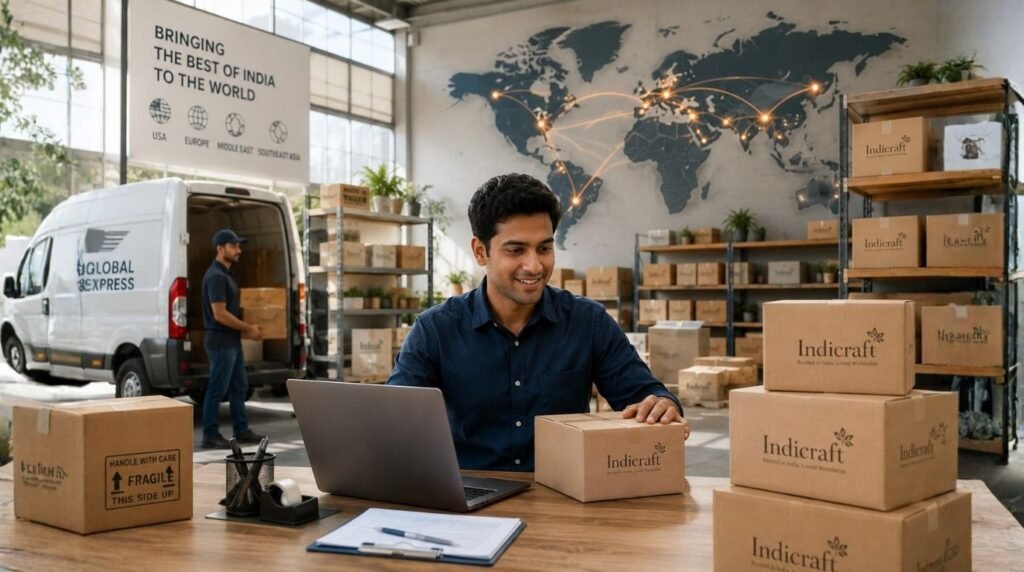
If you’re building a product business, don’t wait for the policy to mature before preparing.
Start building:
- A globally understandable brand.
- A website optimized for international buyers.
- Content that ranks worldwide, not just in India.
- International payment and shipping readiness.
- AI-powered customer support that works across time zones.
The brands that prepare early will benefit the most when the ecosystem becomes frictionless.
My takeaway
I’ve always believed India’s next export won’t just be software.
It will be brands.
This policy feels like another step in that direction.
We’ve spent years building products for India.
The next decade belongs to businesses that learn how to build from India, for the world.
Sometimes the biggest opportunities don’t arrive with flashy product launches.
They arrive quietly, hidden inside government policy updates that most people scroll past.
This might just be one of them.
Source: Newspaper report on India’s proposed export-focused e-commerce FDI policy and inventory model reforms (shared article).
As the industry shifts, staying informed about digital trends is essential for anyone. Click through to read another thread!