
We Didn’t Cut the Cable Cord to Watch More Ads
Somewhere along the way, we’ve quietly come full circle as ad-supported streaming begins to dominate our screens.
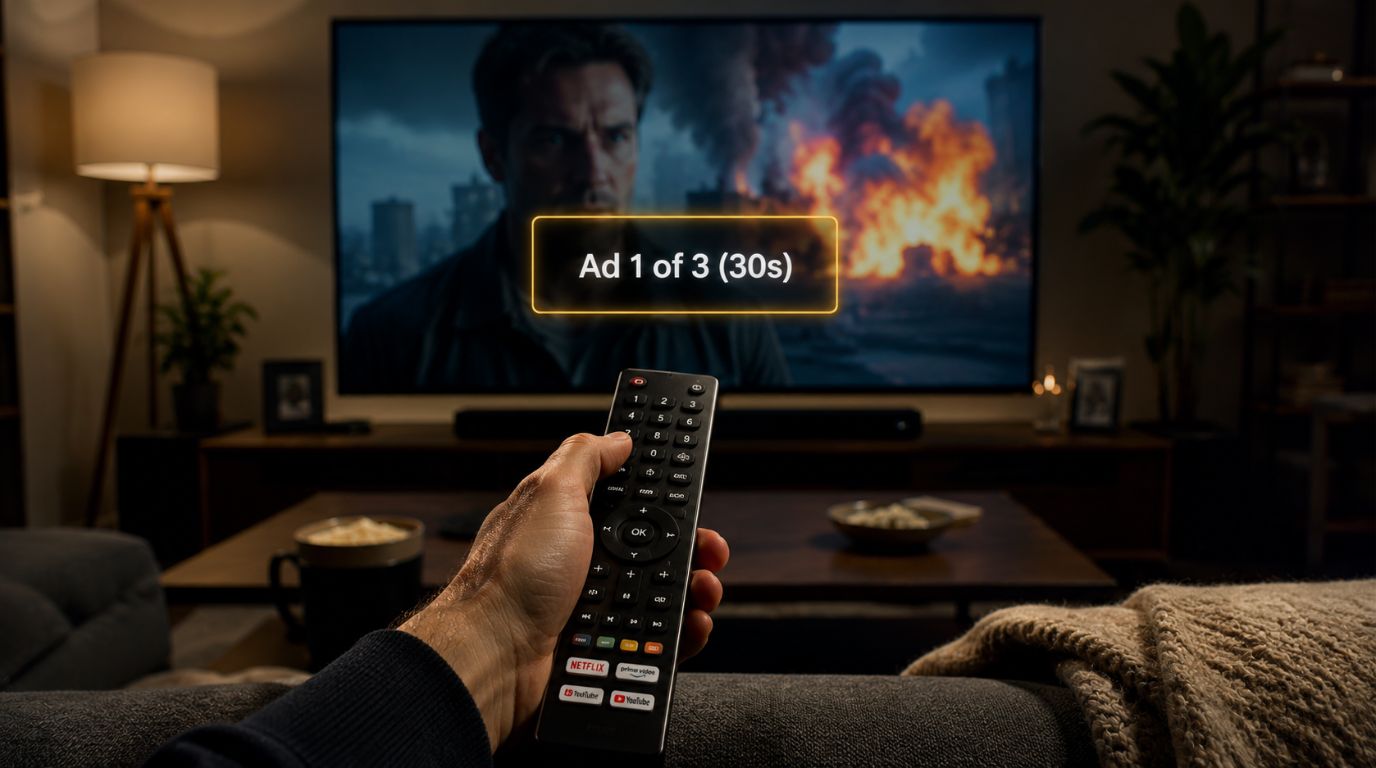
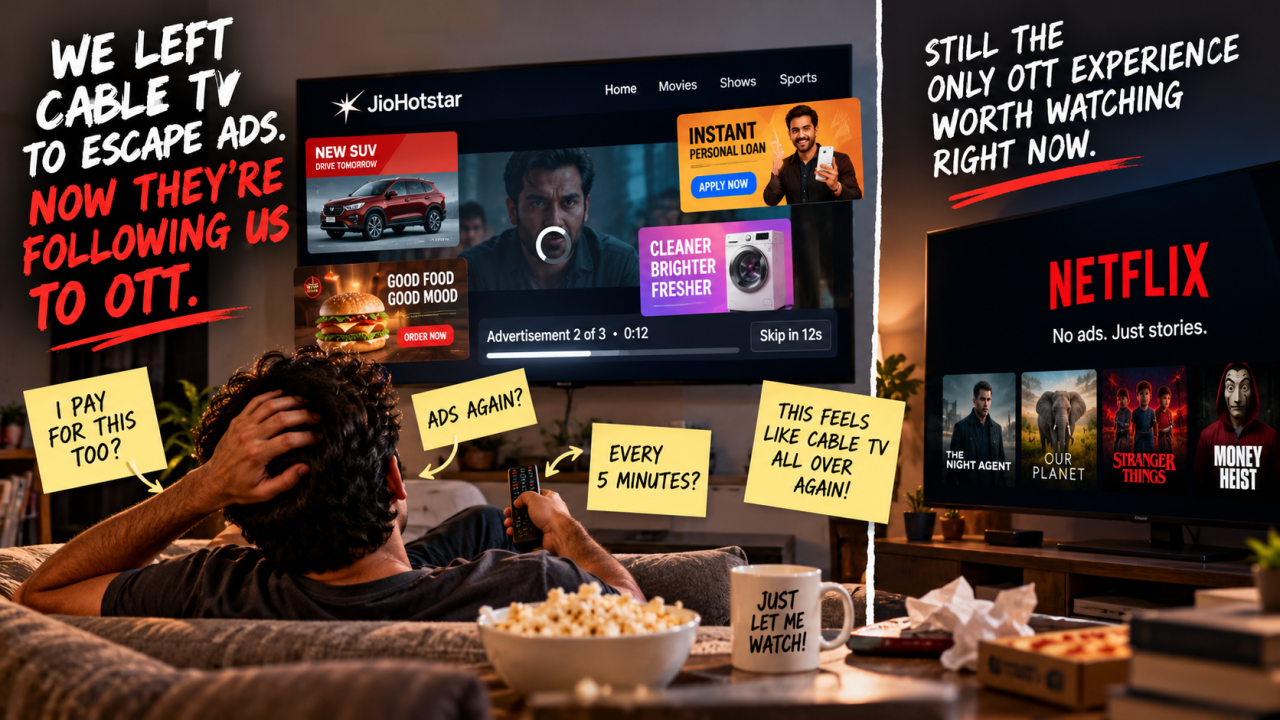
A few years ago, many of us made a conscious decision. We cancelled our cable TV subscriptions. Not because television had become bad, but because the experience had become unbearable. Every few minutes, another commercial. A movie stretched over four hours. The remote is constantly in our hands, waiting for the ads to end.
Streaming platforms promised something entirely different: pay a flat monthly subscription, watch what you want, when you want, without a single interruption. It felt revolutionary.
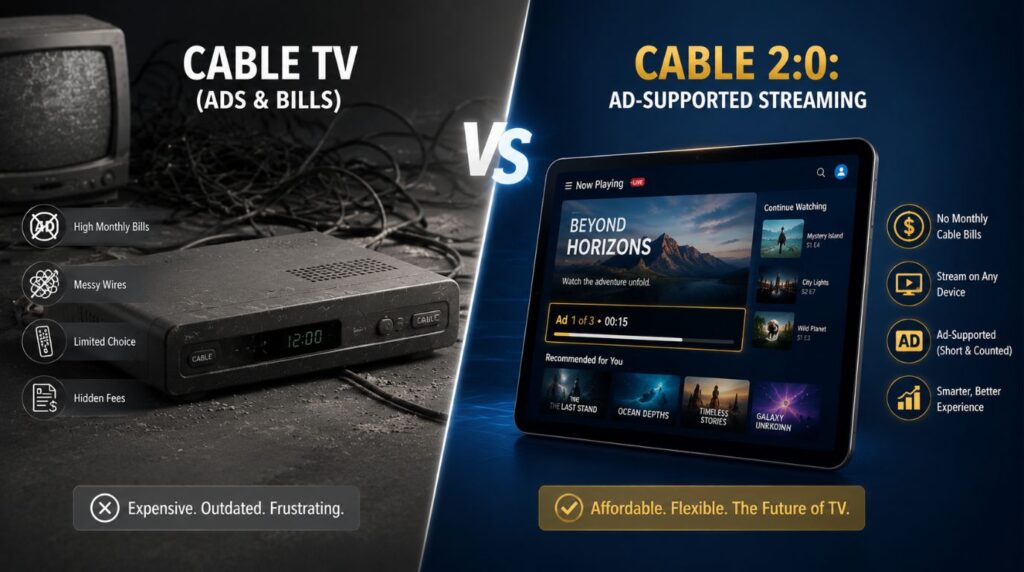
The Rise of Ad-Supported Streaming: Cable TV 2.0?
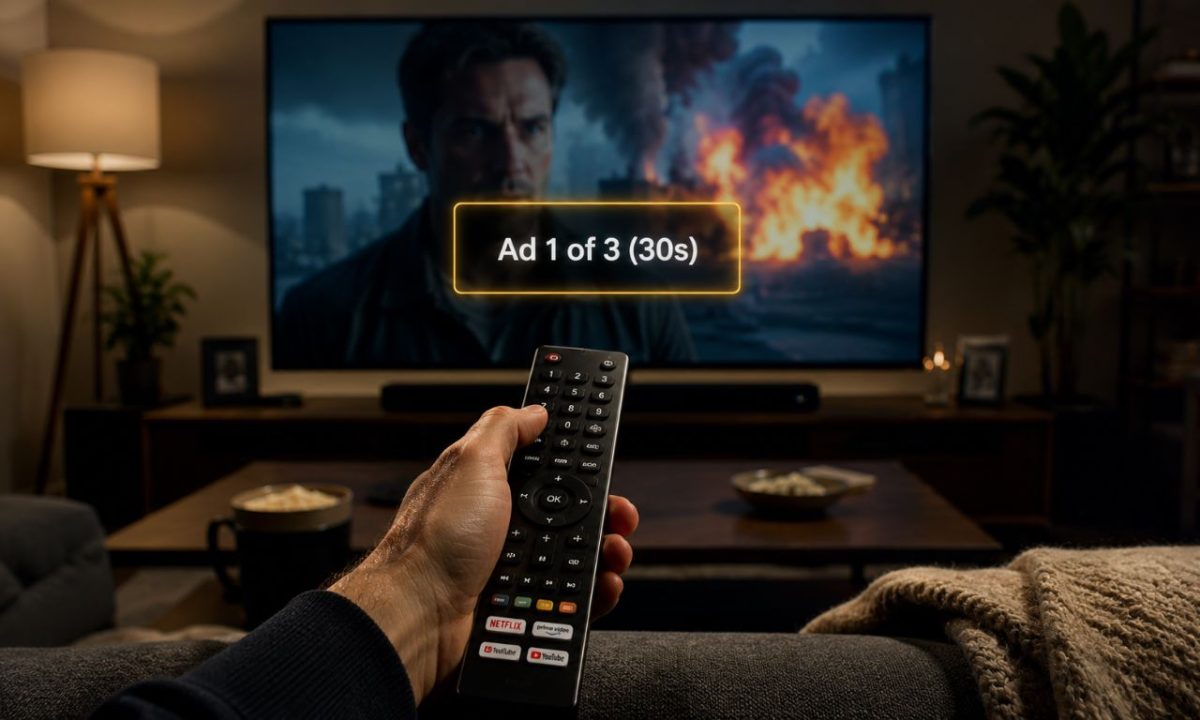
Lately, I’ve found myself counting ads instead of episodes. This shift towards ad-supported streaming has turned a short 25 minute show into an interruptive experience. A dramatic movie gets paused just as the plot is building momentum.
Even after paying for a subscription, I’m reminded that there’s another “premium” tier if I truly want an ad-free experience.
Sound familiar?
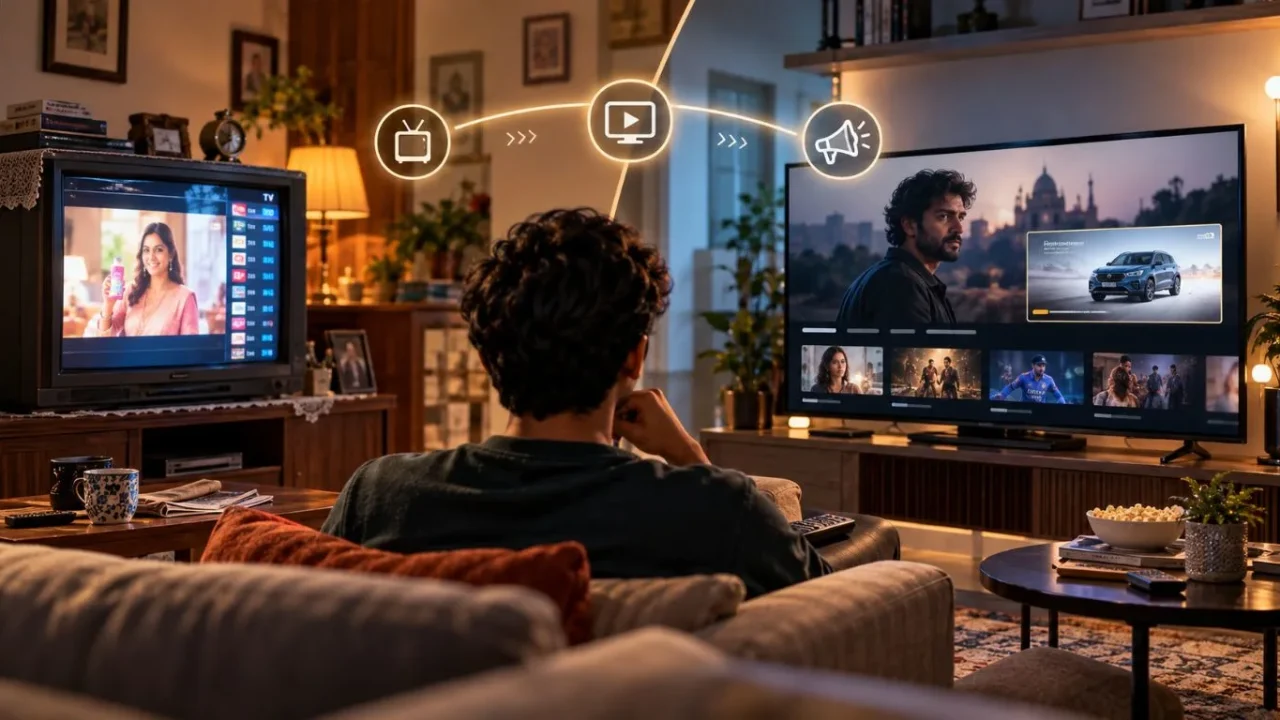
Ironically, it’s beginning to resemble the very cable TV experience many of us walked away from.
Why Ad-Supported Streaming is Blurring the Line
I’m not against advertising. As a digital marketer, I understand that advertising funds content, creators, and platforms. But there’s an unwritten agreement consumers make when they pay for a service.
The expectation is simple: “If I’m already paying, don’t make me feel like I’m watching free television.”
This is where the widespread launch of ad-supported streaming has started to blur the line. Instead of replacing advertisements with subscription revenue, some platform executives have simply chosen to combine both.
The result? Consumers pay more year-over-year while experiencing the same legacy interruptions
The Risk Isn’t the Ad. It’s the Experience.
Great products are built around user experience. When that experience begins to deteriorate, people notice. Not immediately. But gradually.
One extra ad today. Two tomorrow. Then another subscription tier. Before long, people start asking whether they’re really getting value for money.
History has shown us that convenience is often the biggest reason consumers switch platforms. It’s also one of the biggest reasons they leave.
The Marketing Lesson
This is a critical lesson that every modern brand—not just OTT networks—should remember. Revenue optimization should never come at the absolute cost of the customer experience.
Sometimes, executive boards become so focused on increasing their Average Revenue Per User (ARPU) through ad-supported streaming that they forget to protect the very interface that attracted those premium customers in the first place.
- Short-term programmatic revenue is important.
- Long-term consumer loyalty is priceless.
My Take
I am not suggesting that OTT networks should remove advertising altogether. Content is exceptionally expensive to produce, and businesses require sustainable, recurring revenue models to survive.
But maintaining a delicate balance is key. Consumers accepted paid subscriptions because they solved a major pain point. If ad-supported streaming begins recreating those same problems, people will naturally start questioning the value of their entertainment budgets.
The biggest disruption OTT platforms created wasn’t in video delivery technology; it was giving viewers control over their time. Hopefully, that control doesn’t become the very thing platforms slowly take away.
Looking for your next impactful read? Check out our curated selection of reviews to find principles that can elevate your career and business strategy.