Introduction: A Digital Turning Point
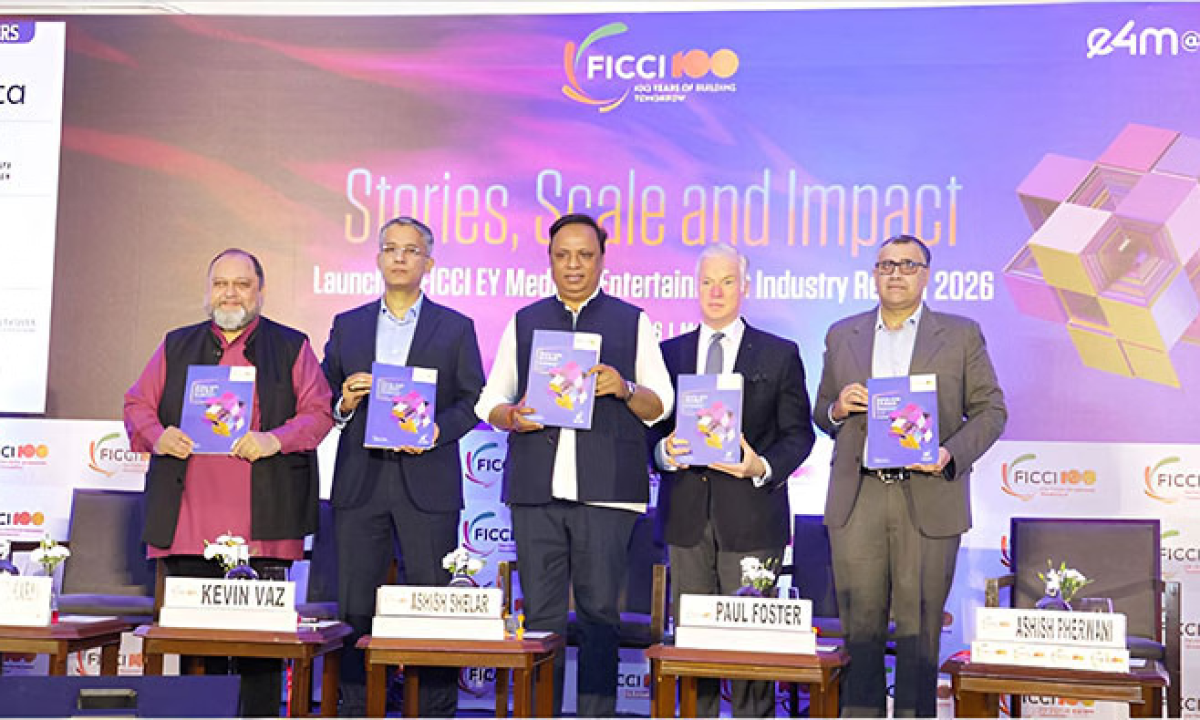
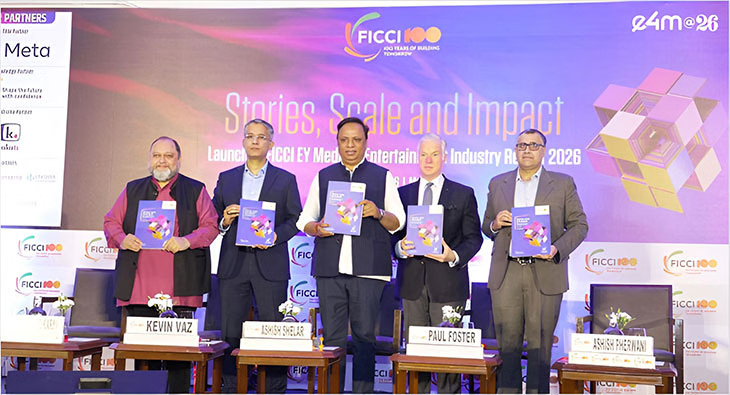
India’s media and marketing landscape is undergoing a powerful transformation, with digital at its core. According to the FICCI–EY 2026 report, the Media & Entertainment industry reached ₹2.78 trillion in 2025, marking a phase of rapid growth, innovation, and structural change . This growth is not just about numbers—it reflects a deeper shift in how content is created, distributed, and consumed. Source
At the center of this transformation lies digital marketing. What was once an optional strategy has now become the primary engine driving brand visibility, engagement, and revenue. Businesses today are not just adapting to digital—they are being defined by it.
The Rise of Digital Advertising
One of the most significant changes in recent years is the dominance of digital advertising. The FICCI–EY report highlights that 63% of total advertising spend now comes from digital platforms, showing a clear shift away from traditional media .
This transition reflects a broader evolution in marketing—from mass communication to targeted engagement. Digital platforms allow brands to reach specific audiences based on interests, behavior, and demographics. Instead of broadcasting a single message to millions, companies can now deliver personalized content to individuals.
Additionally, digital advertising is highly measurable. Marketers can track impressions, clicks, conversions, and customer journeys in real time. This ability to measure performance has made digital marketing more efficient and accountable, encouraging brands to invest more heavily in it.
Changing Consumer Behavior
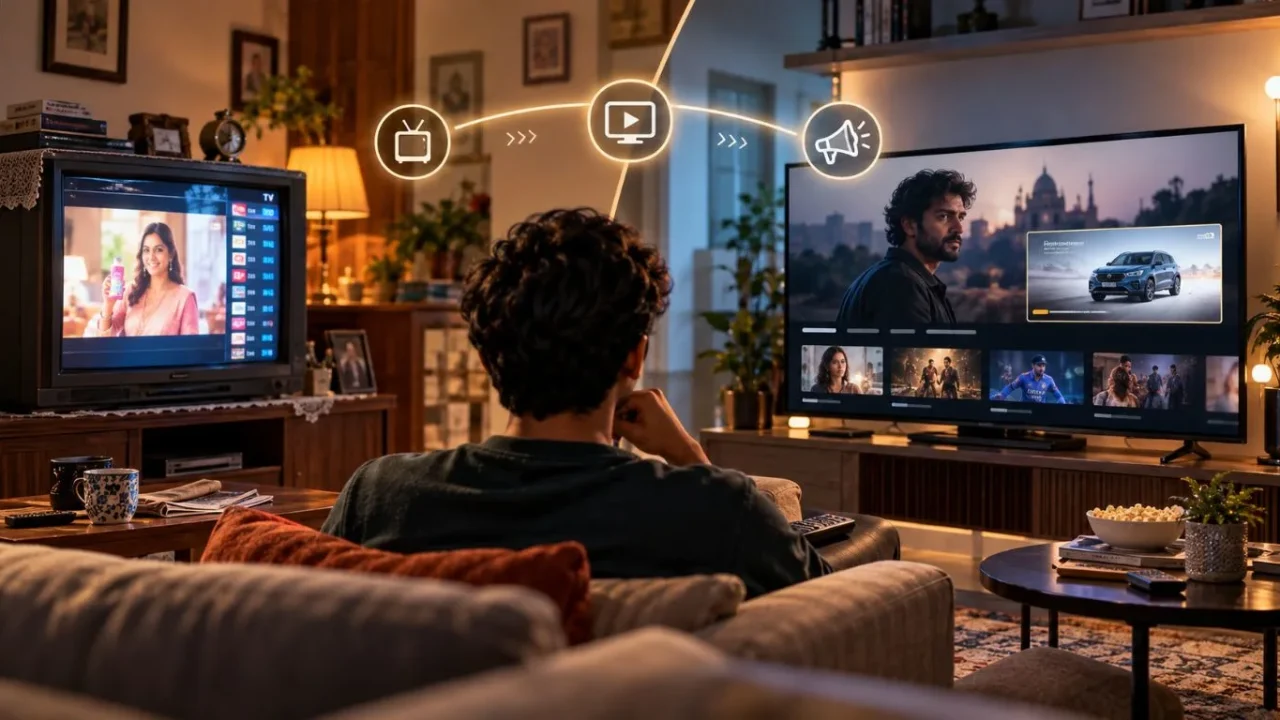
Consumer behavior in India has changed dramatically with the rise of digital platforms. Today’s audiences consume content across multiple screens, including smartphones, social media, and Connected TVs. They expect anytime, anywhere access to information and entertainment.
The report notes that Indians spent over 1.2 trillion hours on their phones in 2025, with a majority of that time dedicated to media and entertainment . This highlights how deeply digital platforms are integrated into everyday life.
Another important shift is the growing demand for regional and relatable content. Audiences are increasingly engaging with content in their own languages, making localization a key strategy for brands. At the same time, short-form videos and interactive formats are gaining popularity, especially among younger users.
This shift has also given rise to the creator economy, where individuals create and share content, influencing large audiences. Consumers are no longer passive—they actively participate, engage, and even shape brand narratives.
Performance Marketing and Commerce Integration
Digital marketing today is closely tied to business outcomes. One of the fastest-growing areas is performance marketing, where campaigns are designed to drive measurable actions such as purchases, sign-ups, or downloads.
The FICCI–EY report shows that digital advertising grew significantly in 2025, driven by e-commerce platforms, SMEs, and point-of-sale advertising models . This growth reflects how marketing is becoming more integrated with commerce.
Digital platforms now act as complete ecosystems. A user can discover a product through an ad, explore it through content, and purchase it—all within the same platform. This seamless journey has transformed how brands approach marketing, making it more direct and result-oriented.
The Role of Technology and Data
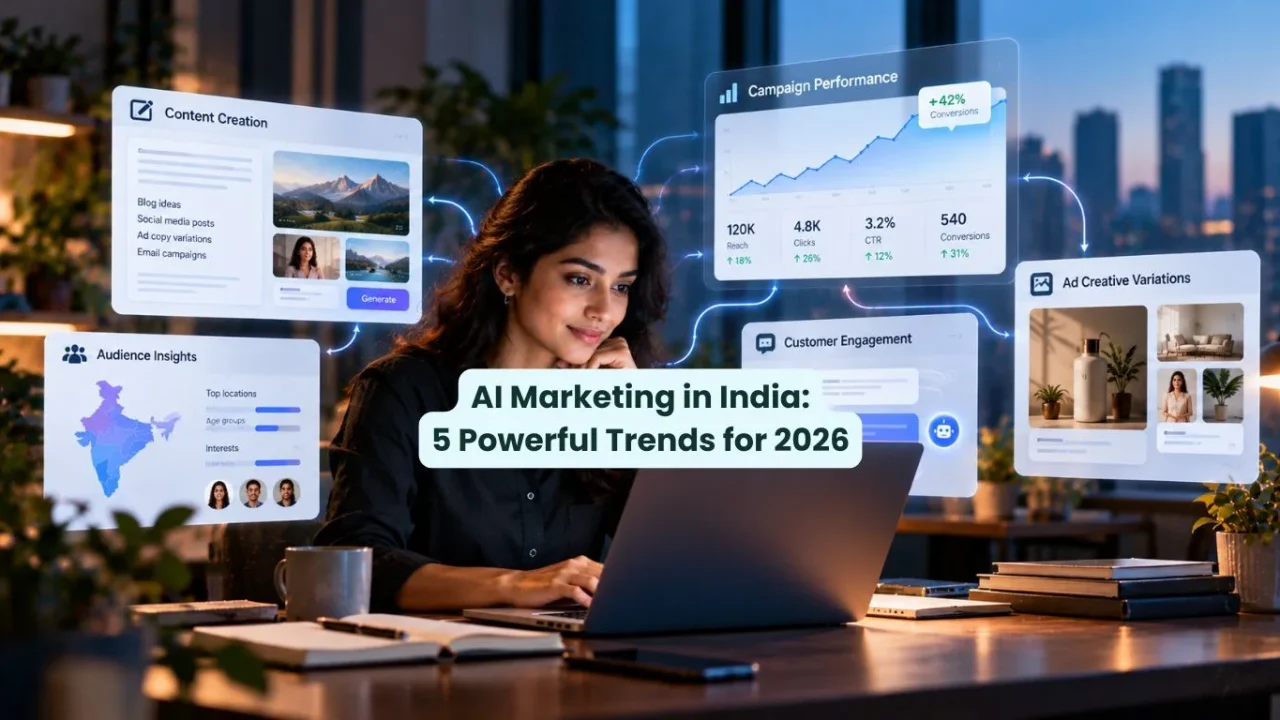
Technology is a key driver of digital marketing’s evolution. Tools powered by artificial intelligence, machine learning, and data analytics allow brands to understand consumer behavior in depth.
With access to real-time data, marketers can create highly personalized experiences. For example, recommendations, targeted ads, and customized content are all based on user preferences and past interactions. This level of personalization increases engagement and improves conversion rates.
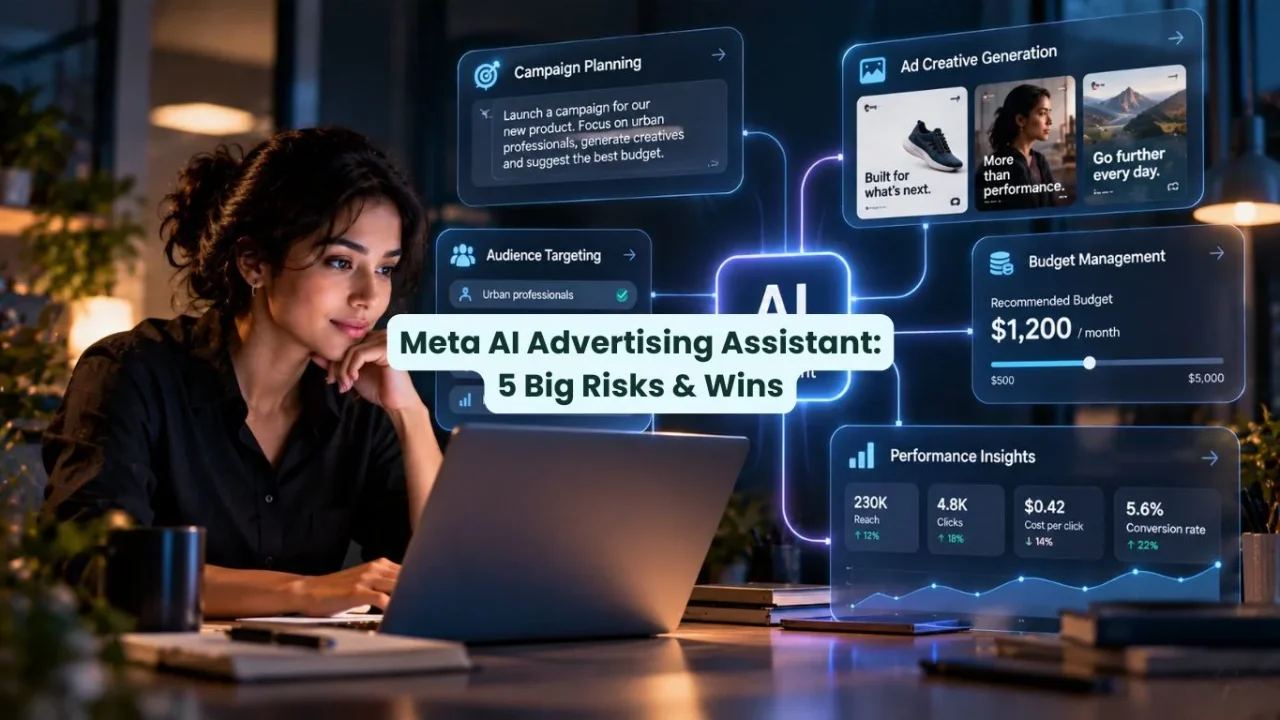
Automation is another important aspect. Campaigns can now be optimized automatically, ensuring better performance with minimal manual intervention. As a result, digital marketing is becoming more efficient, scalable, and impactful.
Challenges in the Digital Landscape
Despite its growth, digital marketing comes with its own set of challenges. The online space is highly competitive, with countless brands vying for consumer attention. This makes it difficult to stand out.
Additionally, changing algorithms on platforms like social media and search engines can impact visibility. Marketers must constantly adapt their strategies to stay relevant. Measuring return on investment (ROI) across multiple platforms is also complex.
The report also highlights the growing importance of data privacy and regulation, which will shape how brands collect and use consumer data in the future. Balancing personalization with privacy will be a key challenge for marketers.
The Future of Digital Marketing
Looking ahead, digital marketing will continue to evolve as technology advances. The FICCI–EY report suggests that the industry is expected to cross ₹3 trillion by 2027, driven largely by digital innovation .
Future trends include the rise of immersive experiences such as augmented reality (AR) and virtual reality (VR), increased use of AI, and the growth of hybrid monetization models that combine advertising and subscriptions.
There will also be a stronger focus on engagement rather than just reach. Brands will need to build deeper connections with their audiences through meaningful content and interactive experiences.
Conclusion: A New Era of Marketing
Digital marketing in India is no longer just about promoting products—it is about creating experiences, building relationships, and driving measurable impact. The insights from the FICCI–EY 2026 report clearly show that the industry is at a digital inflection point, where data, technology, and creativity are coming together to reshape the future.
As businesses navigate this evolving landscape, the ability to adapt, innovate, and connect with audiences will determine success. Digital marketing is not just a trend—it is the foundation of modern communication in a rapidly changing world.