
• Home /
  • Hiring /
  • The Best Companies Aren’t Just “Cool”. They Win at All 3 Levels.
Screenshot

The Best Companies Aren’t Just “Cool”. They Win at All 3 Levels.

The Best Companies Aren’t Just “Cool”. They Win at All 3 Levels.

Most people choose jobs like they choose Netflix shows.

“What looks exciting right now?”

But the data says… that’s the wrong filter.

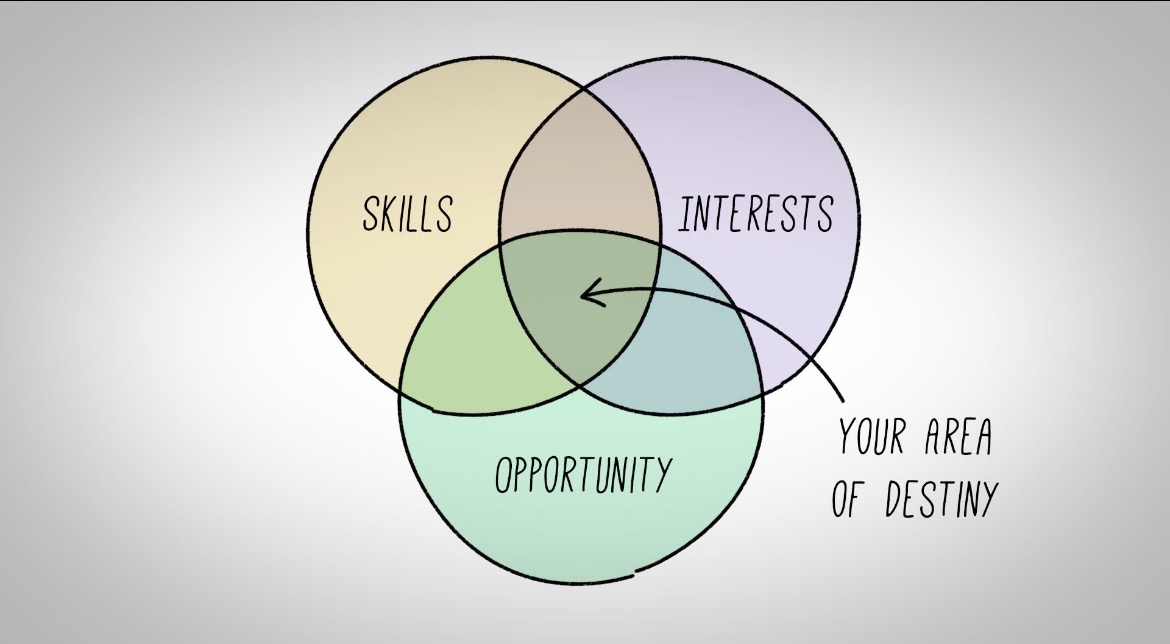
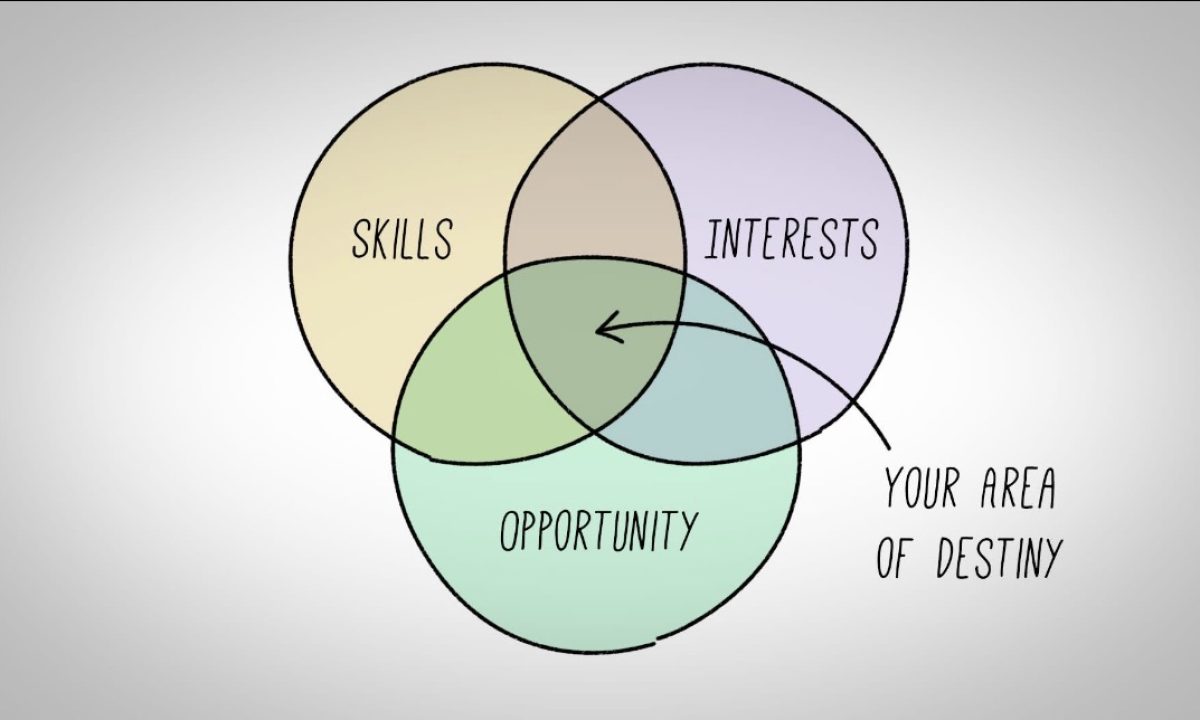
A study of 1,700+ employers breaks career success into 3 simple buckets:

  1. Early Career – great place to start
  2. Growth – helps you move up
  3. Stability – lets you stay and thrive

And here’s the reality check:

Very few companies are good at all three.

The pattern

  • Some companies are amazing for freshers
  • Some are rocket ships (but chaotic)
  • Some are stable… but slow

And then there’s a tiny overlap.

The elite few that do all three.

That’s where names like:

  • HubSpot, Qualcomm
  • Fidelity, Progressive
  • Boeing, Lockheed Martin
  • Mayo Clinic, P&G

…start showing up.

What this actually means

Most people optimise for:

  • Brand name
  • Salary
  • “Cool factor”

But long-term career success is a different game.

It’s about:

  • Learning early
  • Growing fast
  • Not burning out midway

Miss one of these, and your career either stalls… or exhausts you.

The uncomfortable truth

There is no “perfect company” for everyone.

But there are companies that are structurally better designed for careers.

And they’re rare.

The takeaway?

Don’t just ask:

“Is this a good job?”

Ask:

“Is this company good for my next 5 years?”

Because careers aren’t built in offers.

They’re built in environments.

Latest Threads...

Summary The traditional television playbook is officially broken. While the screen itself has survived, consumer behavior has completely fragmented across multiple devices, forcing marketing budgets to follow the attention. Driven

Summary Your home isn’t just a living space anymore—it’s a premium commodities market. As tech companies move beyond scraping textbooks and websites, the race for physical AI training data has

Summary Modern cybercrime no longer relies on cracking passwords; it focuses on hacking human psychology. Driven by sophisticated manipulation rather than technical exploits, criminals are deploying ruthless social engineering tactics

Summary When legacy companies run out of purely transactional growth, they are forced to rebrand emotion. Using Victoria’s Secret’s shift back to its aspirational roots as a prime case study,

Summary The traditional professional playbook is broken. For decades, a Master’s degree or an expensive MBA was an automatic guarantee of career security. Today, current labor data indicates a massive

Summary Somewhere between formal emails and instant messaging apps, organizational alignment fractured. Shifts in modern workplace communication highlight a deep generation gap where younger workers view messages as strictly informational,