


Summary
When legacy companies run out of purely transactional growth, they are forced to rebrand emotion. Using Victoria’s Secret’s shift back to its aspirational roots as a prime case study, this article analyzes the hidden traps within modern rebranding strategy steps. We explore the deep tension between consumer demands for authenticity versus their desire for aspiration, and why changing a corporate narrative requires altering reality, not just redesigning the packaging.
Victoria’s Secret Is Not Selling Lingerie. It’s Selling Identity Again
When Brands Run Out Of Growth, They Take Rebranding Strategy Steps.
Every few years, major corporations hit an existential growth ceiling and decide they need a completely new direction.
The rebranding strategy steps conversation usually starts like this: “We need a new direction.”
Then comes:
- new logos
- new campaigns
- new messaging
- new positioning
- new buzzwords
And occasionally…a new stock ticker apparently.
Victoria’s Secret moving toward VSXY feels less like a financial change and more like a marketing department saying, “Okay, everyone… we’re doing sexy again.”
The Interesting Part Isn’t The Name Change
It’s What The Brand Is Trying To Reverse
Victoria’s Secret was once an aspirational fashion brand. It didn’t just sell products. It sold:
- glamour
- fantasy
- aspiration
- status
For years, that formula worked beautifully. Then the internet happened. Then culture changed. Then audiences changed.
Suddenly, consumers wanted:
- authenticity
- inclusivity
- relatability
- representation
And brands started moving away from idealized perfection.
Then Something Funny Happened
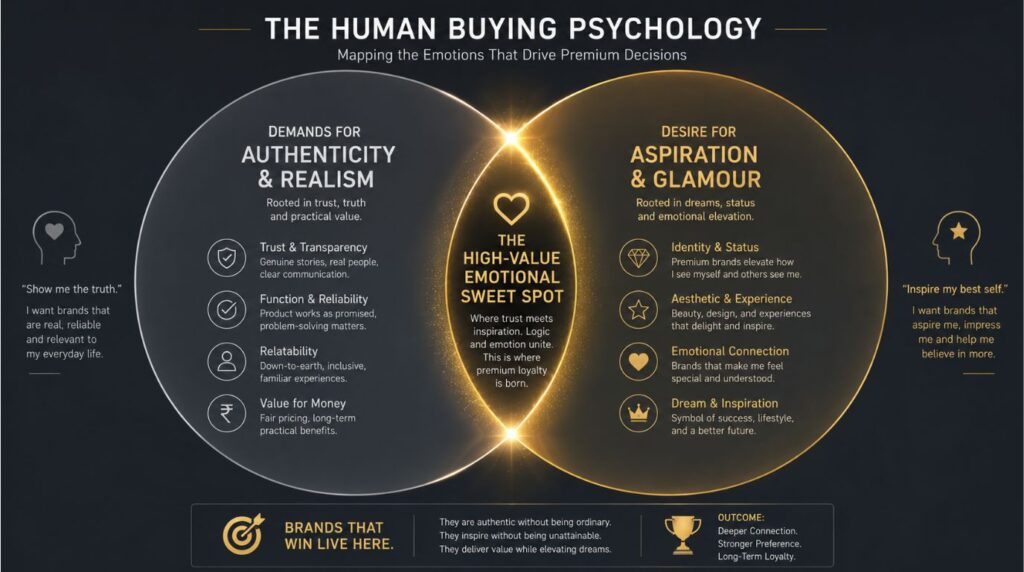
Brands discovered a problem. Consumers often say one thing…and buy another. Because human behavior is messy.
People may want: authenticity
But they also want: aspiration
People want comfort…but also confidence. People want realism…but also excitement. Marketing lives inside that tension.
“Sexy” Was Never Really About Clothing
It was always about emotion. Nobody buys products because of fabric specifications.
Nobody says, “I purchased this because of its thread density ratio.”
People buy because products make them feel:
- confident
- attractive
- expressive
- powerful
- noticed
Human beings do not buy items because of fabric specifications or raw technical metrics; they buy because of how a product promises to make them feel. That’s true for fashion. Honestly, it’s true for almost everything. Cars. Phones. Shoes. Perfumes. Even technology. Half of marketing is emotional storytelling wearing a business suit.
The Biggest Challenge For Legacy Brands Isn’t Competition
Its relevance. Ultimately, the ultimate goal of executing these comprehensive rebranding strategy steps is achieving long-term cultural relevance.
You are not competing only against direct competitors anymore. You’re competing against:
- creators
- influencers
- niche brands
- D2C startups
- changing culture
- attention spans
And attention has become brutally expensive.
So brands constantly ask: “Who are we now?”
Therefore, the most critical rebranding strategy steps must focus on executing emotional alignment rather than adjusting physical product specifications.
The Dangerous Part Of Rebranding

Sometimes companies confuse: changing messaging with changing reality.
You can redesign the packaging. You can rename the ticker. You can launch campaigns. But if customer experience doesn’t evolve…people notice quickly. The internet has an extraordinary ability to detect forced personality changes and superficial rebranding strategy steps.
Final Thought on Rebranding Strategy Steps by Victoria’s Secret
You are actively competing for screen time against individual creators, niche direct-to-consumer startups, and rapidly shifting algorithms. The funniest thing about modern rebranding strategy steps is this: Products change slowly. Stories change instantly. And sometimes the biggest transformation happening inside a company isn’t the product itself. It’s the narrative around it.
Because in 2026, brands are not only fighting for market share. They’re fighting for cultural relevance.
And increasingly…attention is becoming the most expensive product of all.
As the industry shifts, staying informed about digital trends is essential for anyone. Click through to read another thread!