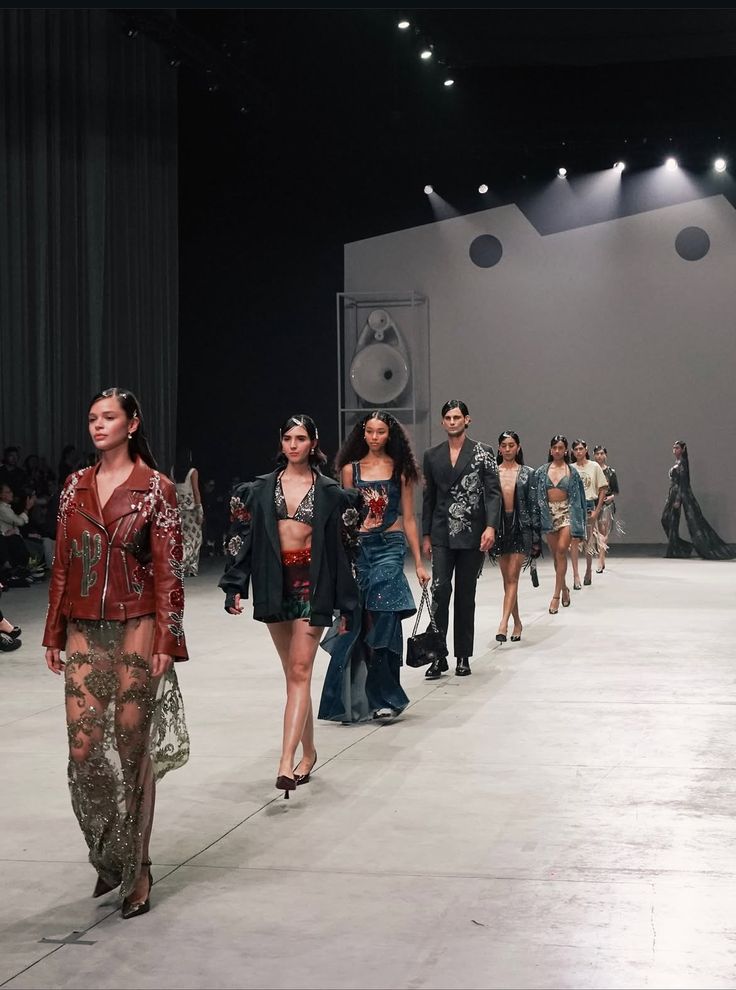
Fashion week in 2026 has changed a lot, but the most noticeable shift is in fashion marketing. As a design student, I’ve realised that brands are no longer just focused on presenting their collections: they’re focused on how people experience them.
Earlier, marketing during fashion week was quite simple. The goal was visibility, get the right people to see the show, release campaign images, and create buzz through celebrities. But now, it’s much more strategic and continuous. Marketing doesn’t start at the show anymore; it begins much earlier through teasers, previews, and storytelling that builds curiosity.
Another big change is the shift from just visibility Fashion to engagement. It’s not enough for audiences to simply watch a show, they need to feel connected to it. Brands now create content that invites people into the process, making them feel like they’re part of the journey rather than just spectators.
There’s also a clear move towards authenticity. Instead of overly polished and distant campaigns, brands are sharing more real, behind-the-scenes moments. This makes fashion feel more approachable and relatable, especially for younger audiences.
Most importantly, marketing is no longer separate from the collection. It’s built into the concept itself. Every visual, message, and interaction is designed to shape how the audience understands the collection.
One thing that really stands out in this shift is how timing has completely changed. Earlier, most of the attention was focused on the few minutes of the runway show. Now, the show feels like just one moment in a much longer timeline. The real build-up starts days or even weeks in advance, with carefully planned teasers, cryptic posts, and subtle hints that get people talking. By the time the show actually happens, the audience is already invested.
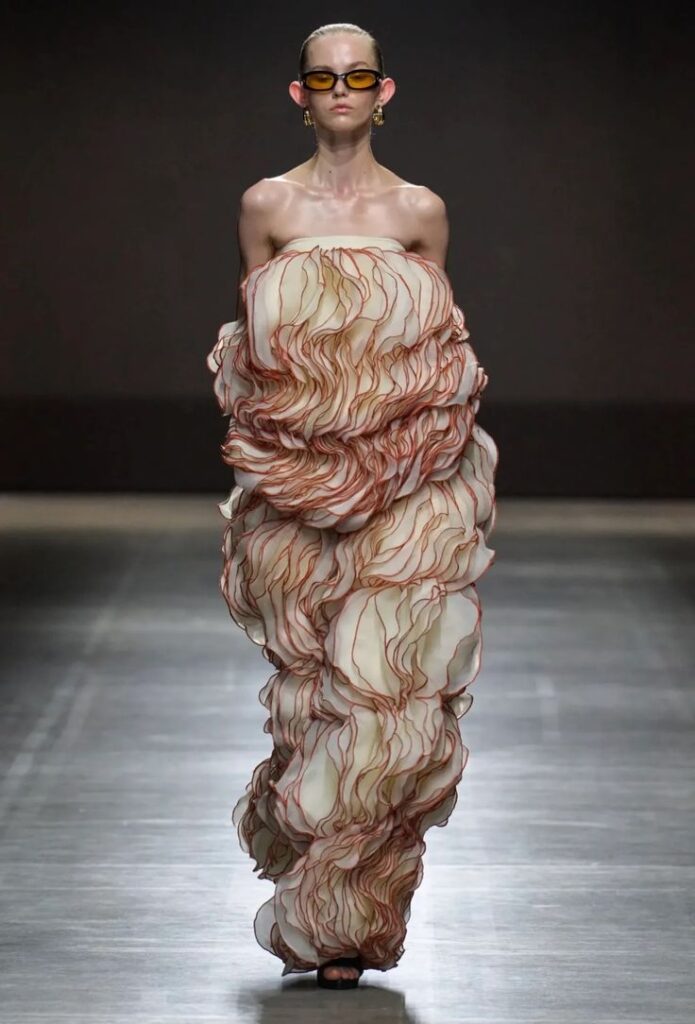
Pre fashion week marketing
This pre-show marketing almost feels like storytelling in chapters. First comes curiosity, then speculation, and finally the reveal. As someone studying design, it’s interesting to see how much thought goes into controlling this narrative. Nothing feels random anymore, every post, every visual, every caption has a purpose.
Another important aspect is how audiences are no longer passive. In the past, people would simply watch and react. Now, they interact. They comment, share, repost, and even create their own interpretations of the collection. In a way, the audience has become part of the marketing itself. Their reactions and engagement help push the collection further, making it feel more alive and dynamic.
Because of this, brands are also paying closer attention to how they communicate. The tone has become more conversational and less formal. It almost feels like brands are talking with their audience rather than at them. This shift makes a huge difference, especially for younger viewers who value relatability over perfection.
There’s also a stronger focus on consistency. In 2026, it’s not enough to have one strong campaign or one impactful show. The entire communication, before, during, and after the show, needs to feel connected. From the first teaser to the final post-show content, everything follows the same visual language and message. This creates a stronger identity and makes the collection more memorable.
Post fashion week marketing
Post-show marketing has also become just as important as the lead-up. Earlier, once the show was over, the attention would slowly fade. Now, brands continue the conversation. They release close-up shots, styling details, interviews, and even process videos. It keeps the audience engaged for a longer time and extends the life of the collection beyond the runway.
What I personally find very interesting is how marketing now influences perception. The way a collection is presented can completely change how it is understood. A strong narrative can make even a simple collection feel powerful, while weak communication can make a great collection go unnoticed. It shows how important it is to think beyond just the design.
At the same time, this shift also brings a certain level of pressure. Because marketing has become so central, there’s a constant need to stand out. Every brand is trying to create something memorable, something that people will talk about. While this pushes creativity, it also raises the question of whether the focus is shifting too far away from the clothes themselves.
As a student, this makes me reflect on what it means to be part of the fashion industry today. It’s not just about designing garments, it’s about understanding audiences, building narratives, and creating connections. Marketing is no longer a separate function; it’s something that designers need to think about from the very beginning.
In many ways, fashion marketing in 2026 feels more human. It’s less about perfection and more about connection. It allows audiences to see the process, understand the story, and feel involved. This makes fashion more accessible and engaging, which is something the industry really needed.
Overall, the shift in fashion marketing has completely redefined fashion weeks. What used to be a short, exclusive event is now an extended, interactive experience. And while the runway is still important, it’s no longer the only moment that matters.
The real impact lies in everything that surrounds it, the build-up, the storytelling, and the connection that continues even after the show ends.
And for me, that’s what makes fashion marketing in 2026 so fascinating. It’s not just about selling a collection anymore, it’s about making people feel something, remember it, and stay connected to it long after the runway lights go off.