

Why More CXOs Are Moving From Corporate to Entrepreneurship
For decades, the corporate dream was fairly predictable. Climb the ladder. Become a Vice President. Reach the C-suite. Retire after a long, successful corporate career.
Today, that playbook is quietly being rewritten.
Increasingly, experienced executives are stepping away from prestigious titles to build their own companies. And honestly, I don’t think this is a temporary trend. I believe it’s a structural shift driven by technology, changing aspirations, and a completely different business landscape.
The journey from corporate to entrepreneurship is rapidly becoming the preferred path for senior leaders who realize that corporate bureaucracy often stifles the very innovation they spent years mastering.
The Corporate Ladder Isn’t as Long Anymore
AI is reshaping organizations at an unprecedented pace.
Companies are becoming leaner, flatter, and more automation-driven. While leadership will always remain important, the number of traditional CXO opportunities isn’t growing at the same pace as experienced professionals entering that stage of their careers.
For many executives, entrepreneurship is no longer the backup plan. It’s becoming the preferred plan.
Experience Has Become Startup Capital
Twenty years ago, starting a company required significant capital, infrastructure, and a large team.
Today, AI tools, cloud platforms, no-code solutions, and global freelance talent have dramatically reduced the cost of building a business.
What senior professionals already possess is something far more valuable:
- Industry expertise
- Strong professional networks
- Customer relationships
- Decision-making experience
- Leadership maturity
These assets are often worth far more than venture funding. When an executive transitions from corporate to entrepreneurship, they aren’t starting from scratch; they are simply shifting their capital from someone else’s balance sheet to their own.
Purpose Is Replacing Designation
I’ve noticed another interesting shift.
Many professionals no longer introduce themselves by their designation. Instead, they talk about what they’re building.
Founders today are often driven less by titles and more by ownership, flexibility, and the opportunity to solve meaningful problems. Success is increasingly being measured by impact rather than hierarchy.
AI Is Lowering the Barrier to Entrepreneurship
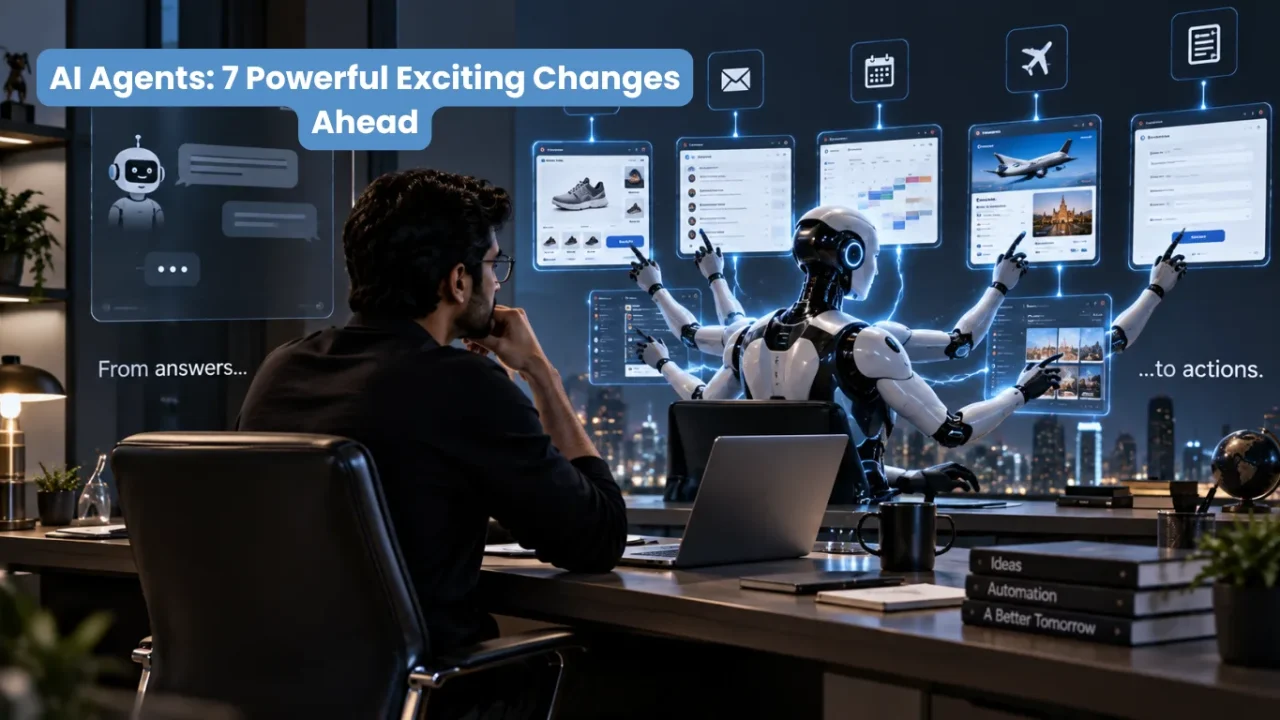
Another massive catalyst driving the transition from corporate to entrepreneurship is the rise of advanced generative technology.
One person equipped with AI today can achieve what once required an entire department. Content creation. Marketing. Customer support. Coding. Research. Data analysis. Operations.
AI isn’t replacing entrepreneurs. It’s making entrepreneurship accessible to far more people. That’s perhaps one of the biggest business stories of this decade.
What This Means for Professionals
If you are currently sitting in a comfortable corporate leadership position, this trend doesn’t mean you should hand in your resignation tomorrow.
Instead, it serves as a powerful reminder to start treating your career as an independent business. Whether you remain a corporate leader for another decade or eventually make the pivot from corporate to entrepreneurship, you must actively build compounding personal assets: Build your personal brand. Strengthen your network. Develop skills that compound over time. Understand AI. Create intellectual property.
Whether you remain in corporate leadership or eventually build something of your own, these investments will always pay dividends.
My Take on Corporate to Entrepreneurship Shift
I do not believe we are witnessing the decline of traditional corporate careers. We are witnessing the democratization of career optionality.
The highly successful leaders of the next decade won’t necessarily be those with the longest corporate titles or the largest office footprints. They will be the ones who understand how to deploy their experience as capital.
Ultimately, the transition from corporate to entrepreneurship is not about starting over. It is about taking the accumulated knowledge, relationships, and execution skills you acquired while building someone else’s dream, and using them to secure your own.
Experience is no longer just a resume. It is startup capital waiting to be deployed.
As the industry shifts, staying informed about the latest skills-first hiring news is essential for anyone. Click through to read more such threads!