

Digital literacy has become one of the most essential life skills of the 21st century. Every generation grows up with something new, whether it’s television, video games, the internet, or smartphones.
Now, children are growing up with something far more powerful: social media algorithms and Generative AI. And for the first time, even the World Health Organization is asking governments to treat excessive digital exposure as a public health issue, not just a parenting challenge. That should make all of us pause.
Every generation faces new challenges, but today’s children are growing up in an environment where technology learns from them as much as they learn from it.
That makes digital literacy more than just another life skill; it becomes the foundation for making informed choices in a world increasingly shaped by algorithms and artificial intelligence.

Technology Isn’t the Villain. Unchecked Usage Is.
As someone who teaches AI almost every day, I probably spend more time talking about technology than most people.
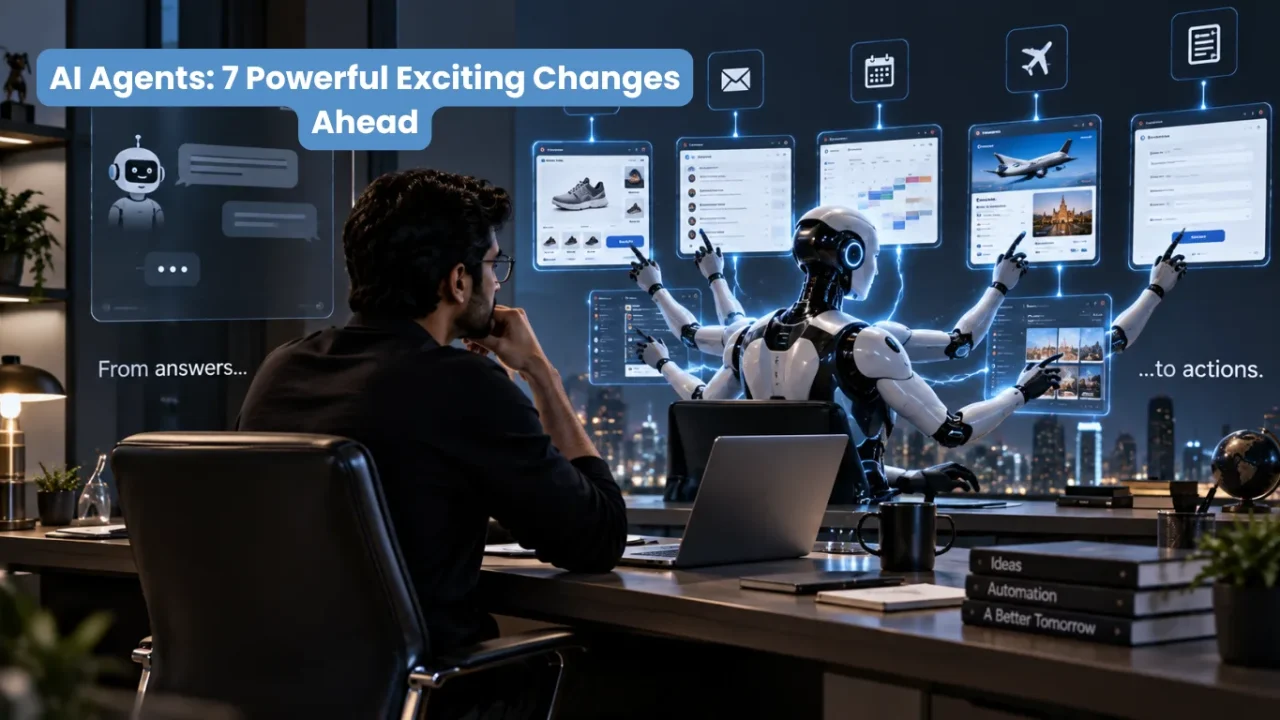
I genuinely believe AI will create better education, better healthcare, better businesses, and better opportunities. But that doesn’t mean every user should have unlimited access to it.
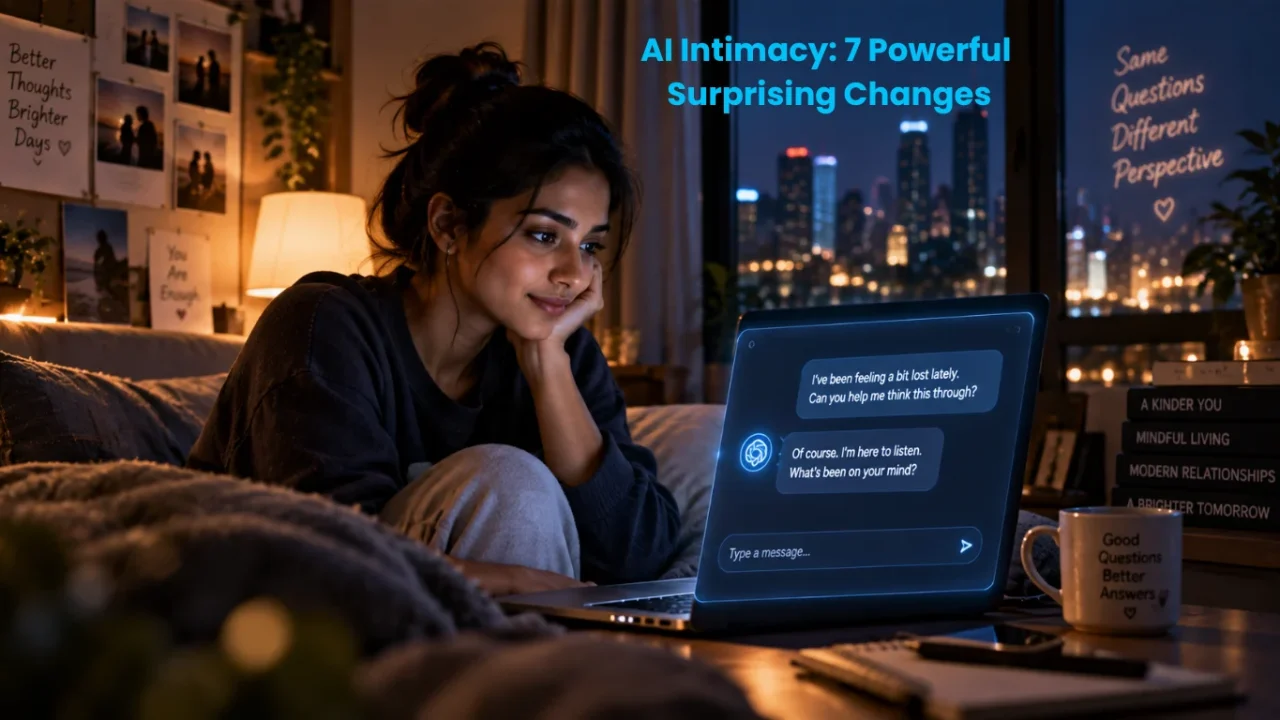
The same technology that helps a college student learn coding can confuse a ten-year-old who’s still learning how to separate reality from fiction.
The problem isn’t AI but maturity and unchecked usage, and this brings digital literacy into play.
Why Digital Literacy Matters More Than Ever
Parents often believe they are shaping their children’s values.
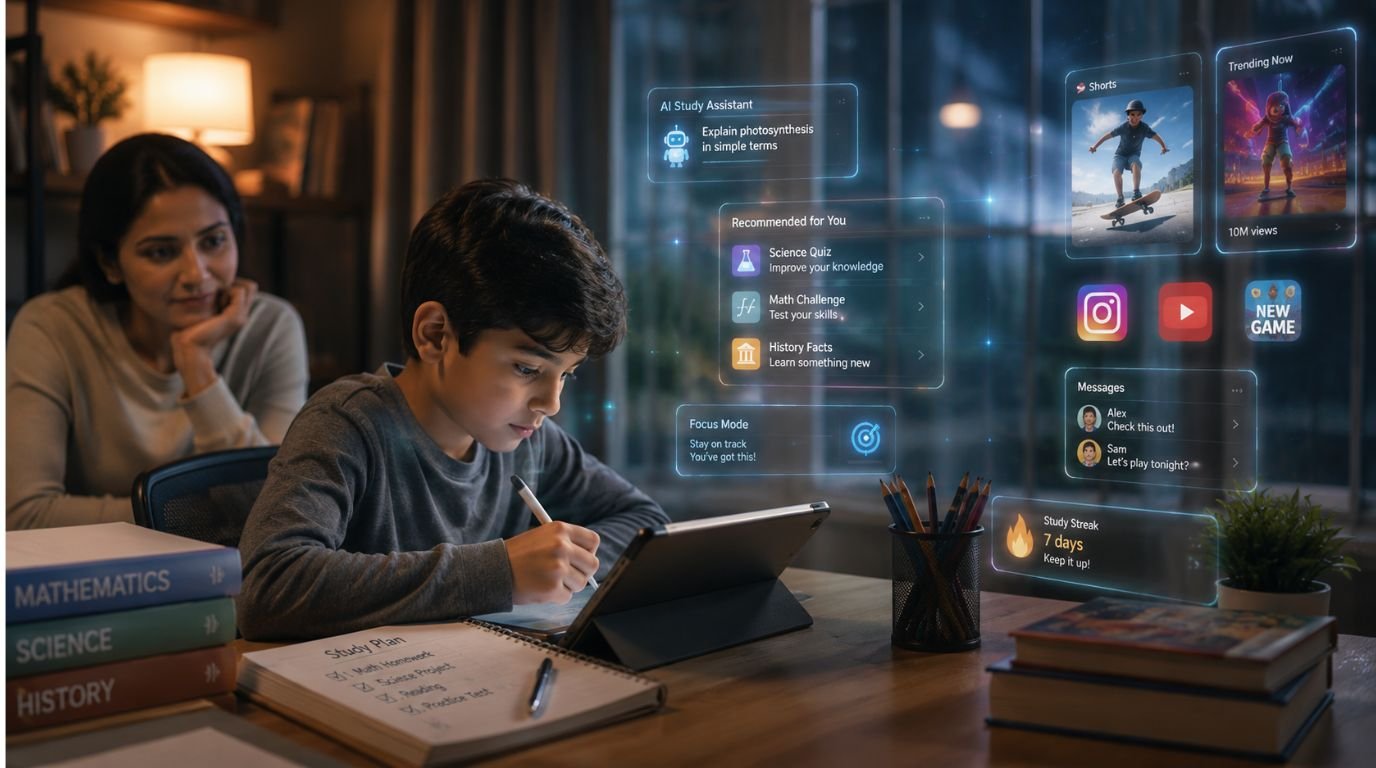
Although they are, so are recommendation algorithms. Every swipe, reel, notification, suggested video is slowly teaching children what deserves attention.
Unlike parents, algorithms have one objective: Keep you engaged.
Not healthier, smarter, or happier. Just engaged. This is why digital literacy is no longer optional.
When children understand how algorithms recommend content, influence behaviour, and reward attention, they become better equipped to make conscious decisions instead of reacting automatically to whatever appears on their screens.
How Algorithms Shape Children’s Attention
The WHO highlights something that educators have quietly observed for years. Children today aren’t necessarily less intelligent. They’re simply finding it harder to focus.
Teachers report declining classroom attention, outdoor play is reducing, anxiety is increasing, sleep is getting worse. And now AI-generated content is adding another layer of complexity.
When every answer is instant, every image is perfect, and every video is infinitely personalised, patience becomes difficult to build.
Digital Literacy Should Come Before Digital Freedom
We’ve spent years teaching children how to cross roads safely, how to avoid strangers, how to wear helmets, how to use electricity responsibly.
Yet we hand over smartphones with almost no training. Digital safety shouldn’t begin after something goes wrong.
It should begin before the first social media account is created.
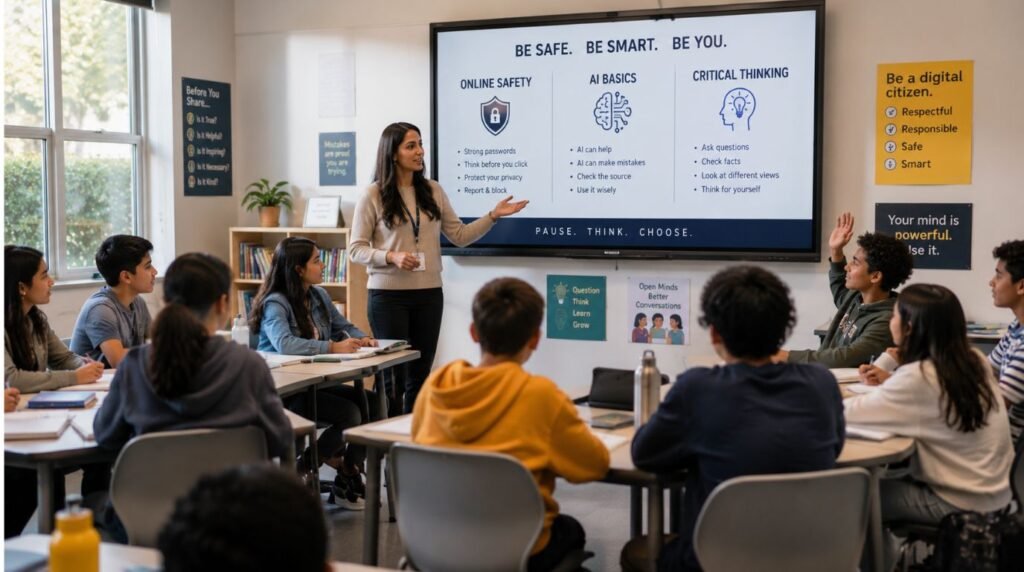
Understanding algorithms, misinformation, AI-generated content, and online manipulation should become as important as mathematics or science.
Finding the Right Balance with AI
This isn’t about banning technology. Children should absolutely learn AI.
They should:
- Code.
- Create.
- Experiment.
- Build.
But learning technology and living inside technology are two completely different things.
One builds skills. The other slowly consumes attention. The goal isn’t to create fear around technology but to encourage intentional use.
Digital literacy empowers children to become creators, critical thinkers, and responsible users instead of passive consumers of endless content.
My Take
The next generation won’t struggle because AI exists. They’ll struggle if nobody teaches them when to disconnect from it.
The smartest child in the future won’t necessarily be the one using the most AI tools.
It will be the one who knows when to put the phone down, think independently, have real conversations and stay curious beyond the screen.
Technology will continue evolving. Our responsibility as parents, educators, marketers and policymakers must evolve even faster.
Because protecting children’s attention today may become one of the most important investments we make in tomorrow.
As the industry shifts, staying informed about digital trends is essential for anyone. Click through to read another thread!