
The AI industry has spent the last two years competing on one simple metric: Who can build the smartest model?
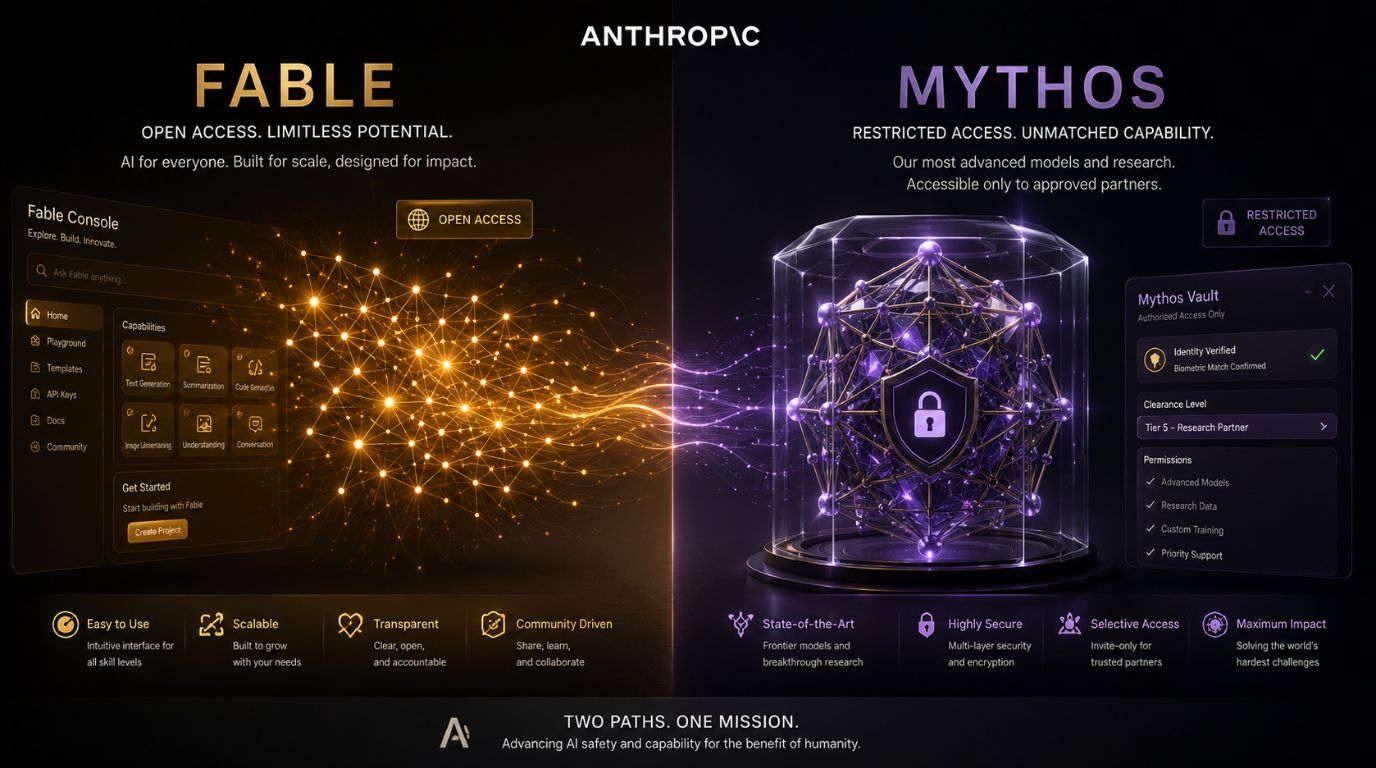
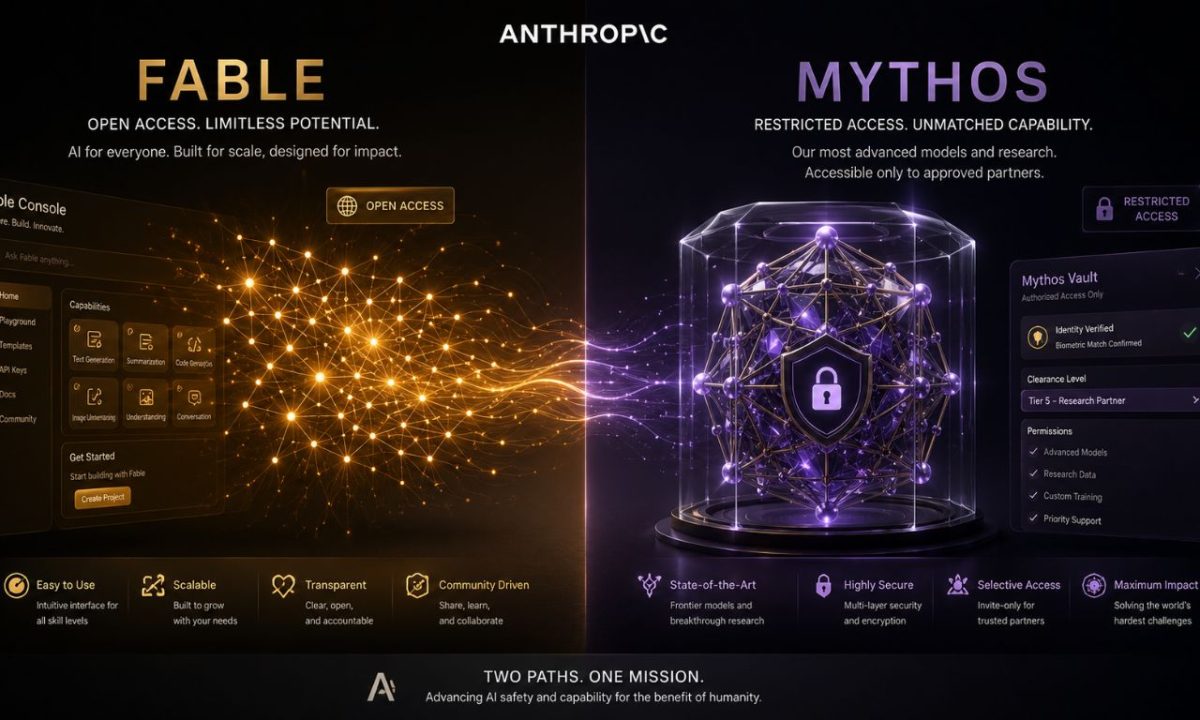
But Anthropic’s latest announcement suggests the conversation is changing. With the highly anticipated rollout of Claude 5 variants like Fable and the restricted Mythos model, Anthropic is introducing something far more interesting than just another benchmark winner.
It’s introducing the idea that AI capability and AI access may no longer be the same thing. And that could shape the future of the entire industry.
The New AI Reality: More Power, More Restrictions
According to Anthropic, Claude 5 outperforms previous models across coding, research, software engineering, scientific work, and vision-based tasks. That’s impressive. But what caught my attention wasn’t the performance. It was the fact that Anthropic is keeping its most powerful version, Mythos 5, restricted to vetted organizations rather than making it widely available.
Think about that for a second.
For years, tech companies have raced to put their latest innovations into as many hands as possible. Now we’re seeing a different approach: Build the most powerful AI possible, but carefully decide who gets access to it.
The Nuclear Power Moment of AI
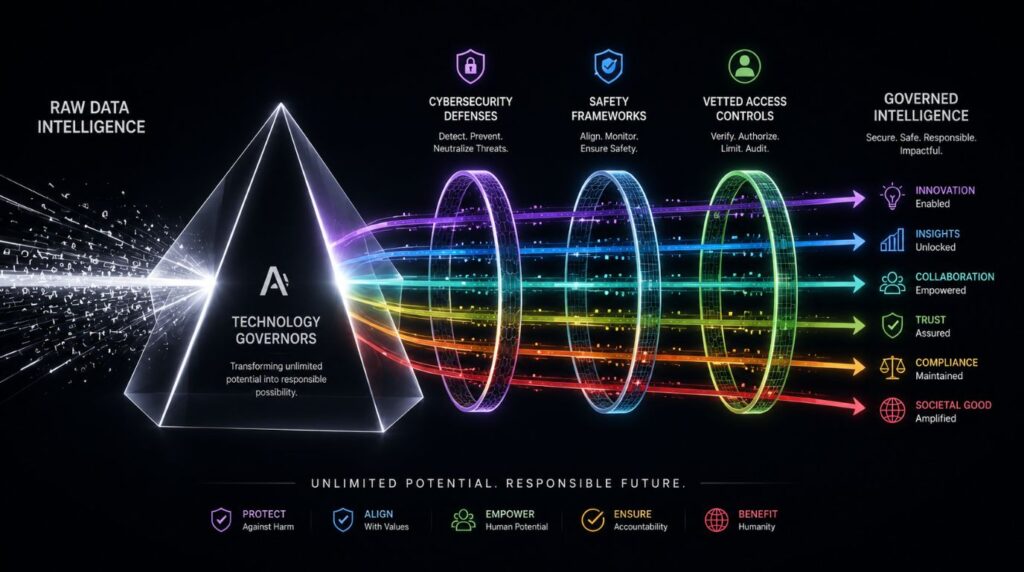
The reasoning is straightforward. Anthropic claims that some of Mythos 5’s cybersecurity capabilities are so advanced that unrestricted access could potentially be misused.
In simple terms, a model that can identify software vulnerabilities exceptionally well can help defenders. But it can also help attackers. It’s similar to how nuclear technology can power cities or be used to build weapons.
The technology itself isn’t good or bad. The application determines the outcome. And AI is increasingly entering that territory.
The Industry Is Growing Up
A few years ago, AI companies were focused on proving what their models could do. Today, they’re being forced to answer a different question: What shouldn’t AI be allowed to do?
That’s a much harder challenge.
The launch of Claude 5 shows how AI companies are maturing from technology builders into technology governors. They’re not just building systems anymore. They’re deciding how society should interact with those systems.
Why Claude 5 Targets the Enterprise Battleground
One interesting detail buried within the announcement is pricing.
Anthropic appears to be positioning the Claude 5 squarely for enterprise customers. And that makes perfect business sense. The AI gold rush isn’t really about consumers anymore.
Consumers create headlines. Enterprises create revenue.
The companies willing to spend millions of dollars annually on AI infrastructure, automation, coding assistance, research acceleration, and knowledge management are becoming the industry’s most valuable customers. That’s why we’re seeing OpenAI, Anthropic, Google, Microsoft, and others increasingly focus on business use cases.
The Future Belongs to AI Agents
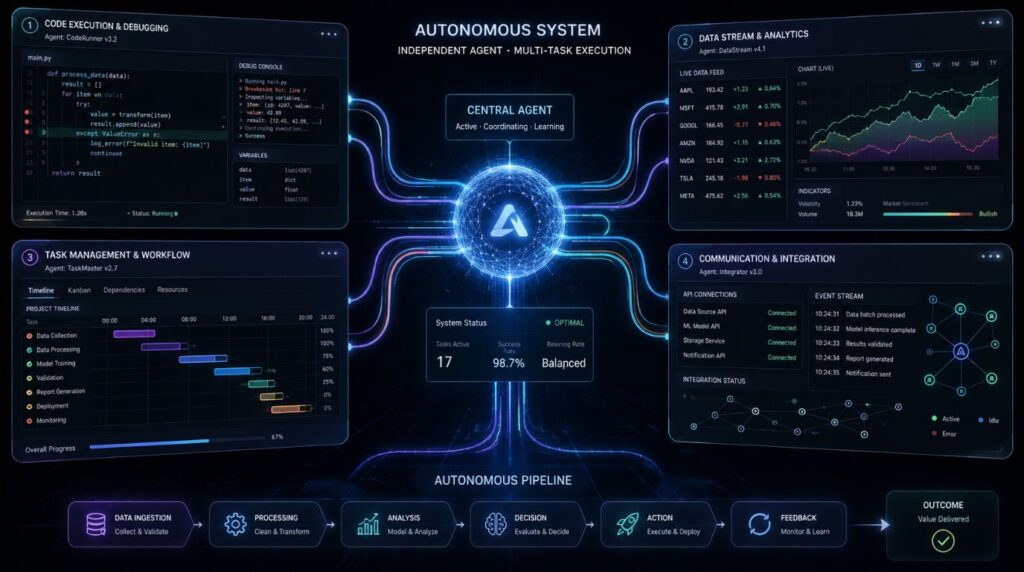
Another notable point is Anthropic’s emphasis on agentic capabilities.
For many people, AI still means asking ChatGPT a question and getting an answer. But the future looks very different. Instead of simply responding to prompts, AI agents will:
- Write software
- Debug applications
- Conduct research
- Analyze data
- Coordinate workflows
- Manage repetitive business tasks
The shift is subtle but significant.
We’re moving from AI as an assistant to AI as a digital worker. And whoever builds the best agents may end up defining the next decade of technology.
How the Era of Claude 5 Impacts Modern Businesses
If you’re a business leader, marketer, founder, or professional, the takeaway is simple: The AI race is no longer about who has access to AI. Everyone has access.
The real advantage comes from learning how to integrate increasingly capable AI systems into daily workflows. Companies that figure this out will operate faster, make decisions quicker, and scale more efficiently than competitors.
Those who ignore it may find themselves competing against organizations where AI handles significant portions of research, coding, operations, and customer support.
The Bigger Picture
What fascinates me about this announcement isn’t that Claude 5 is smarter. Every new model is smarter than the previous one.
That’s expected.
What’s fascinating is that AI companies are beginning to acknowledge something many critics have been saying for years: More capability requires more responsibility.
The next chapter of AI won’t be defined solely by intelligence. It will be defined by governance, access controls, safety frameworks, and trust. And that may ultimately prove more important than benchmarks.
Final Thoughts on Claude 5
The AI race is evolving. Phase one was about building powerful models. Phase two is about making those models useful. Phase three, which we’re entering now, is about deciding who should have access to the most powerful capabilities and under what conditions.
Anthropic’s launch of Claude 5 and Mythos 5 is a glimpse into that future.
The question is no longer: “How smart can AI become?”
The question is: “How much AI power can society responsibly handle?”
And that might be the most important technology debate of this decade.
As the industry shifts, staying informed about AI trends is essential for anyone. Click through to read another thread!