
Summary
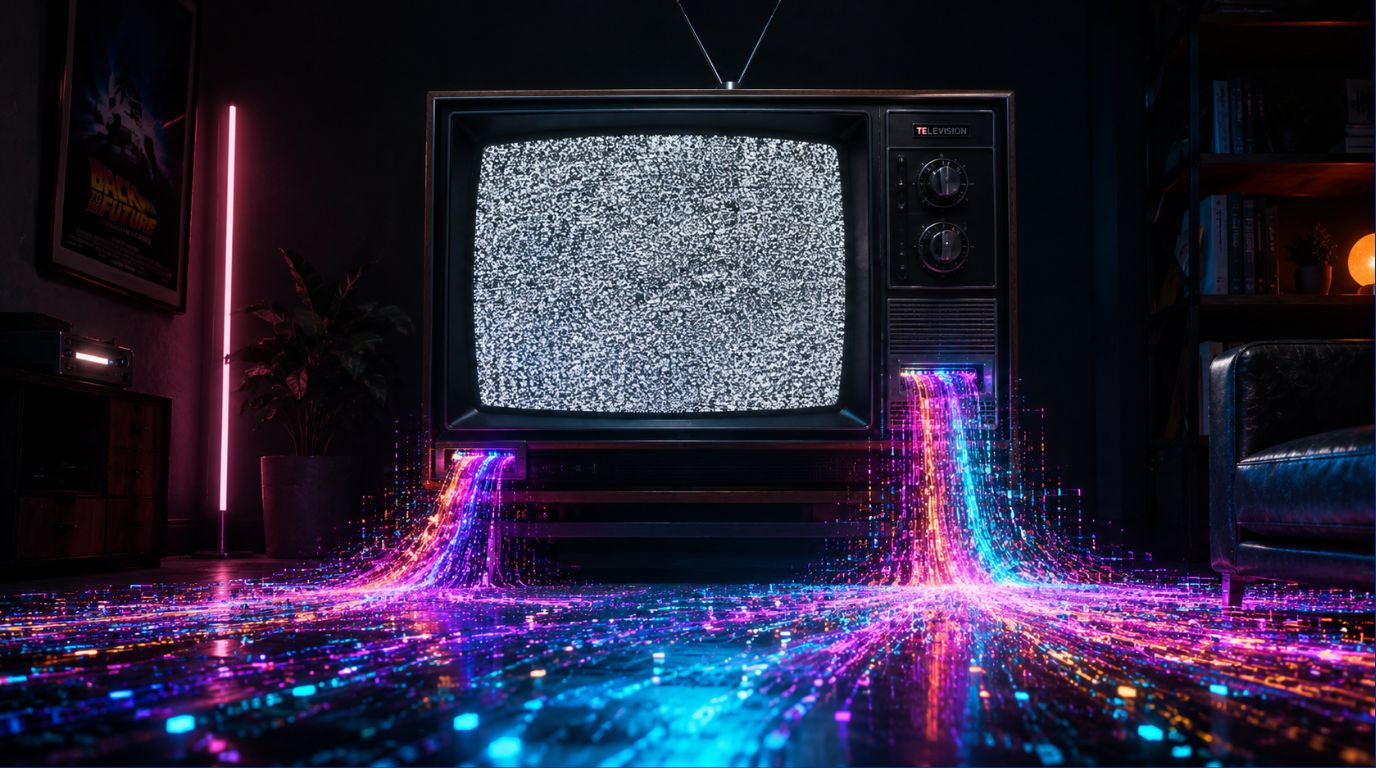
The advertising landscape of 2026 is witnessing a behavioral revolution. The TV ad era is quietly being replaced by a digital-first ecosystem where mass attention has fragmented into personalized algorithms. This post breaks down why advertisers are moving away from the guesswork of the traditional TV ad era and toward the obsession-level analytics of the streaming age.
The Fragmented End of the TV Ad Era
The TV Ad Era Isn’t Dying. It’s Quietly Being Replaced.
The Advertising Shift Everyone Saw Coming… Is Finally Here
For years, marketers kept saying: “TV is still powerful.” And to be fair…they weren’t wrong.
Traditional TV built some of the greatest brands in history. Coca-Cola. Nike. Apple. McDonald’s. Pepsi.
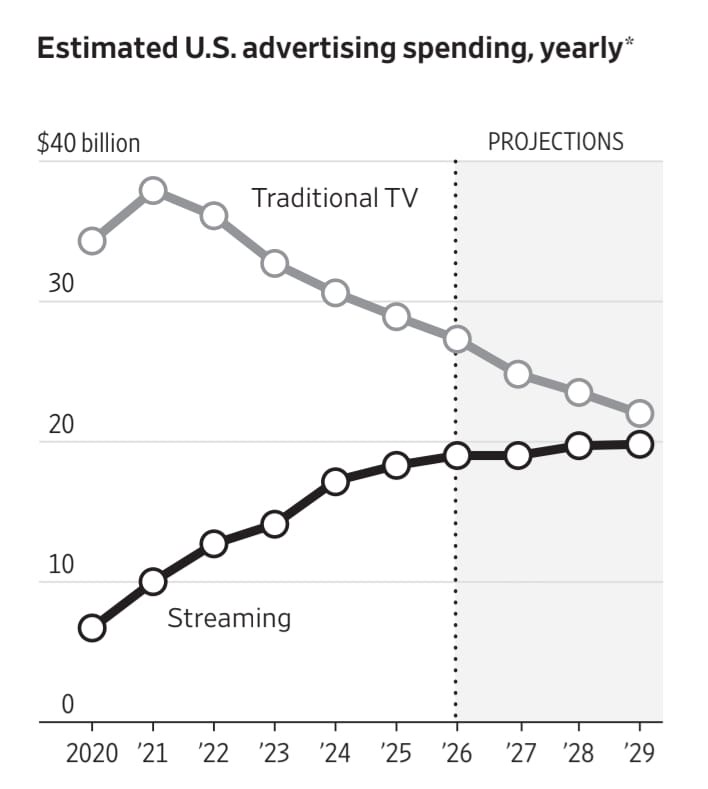
Entire empires were built on 30-second TV spots and catchy jingles that got stuck in people’s heads for decades. But this chart tells a very different story now.
Streaming ad spending is climbing steadily.
Traditional TV ad spending is sliding down year after year.
And honestly?
I don’t think this is just a media shift anymore. I think this is a behavioral shift.
The Real Change
We Didn’t Stop Watching Content. We Stopped Watching It Together.
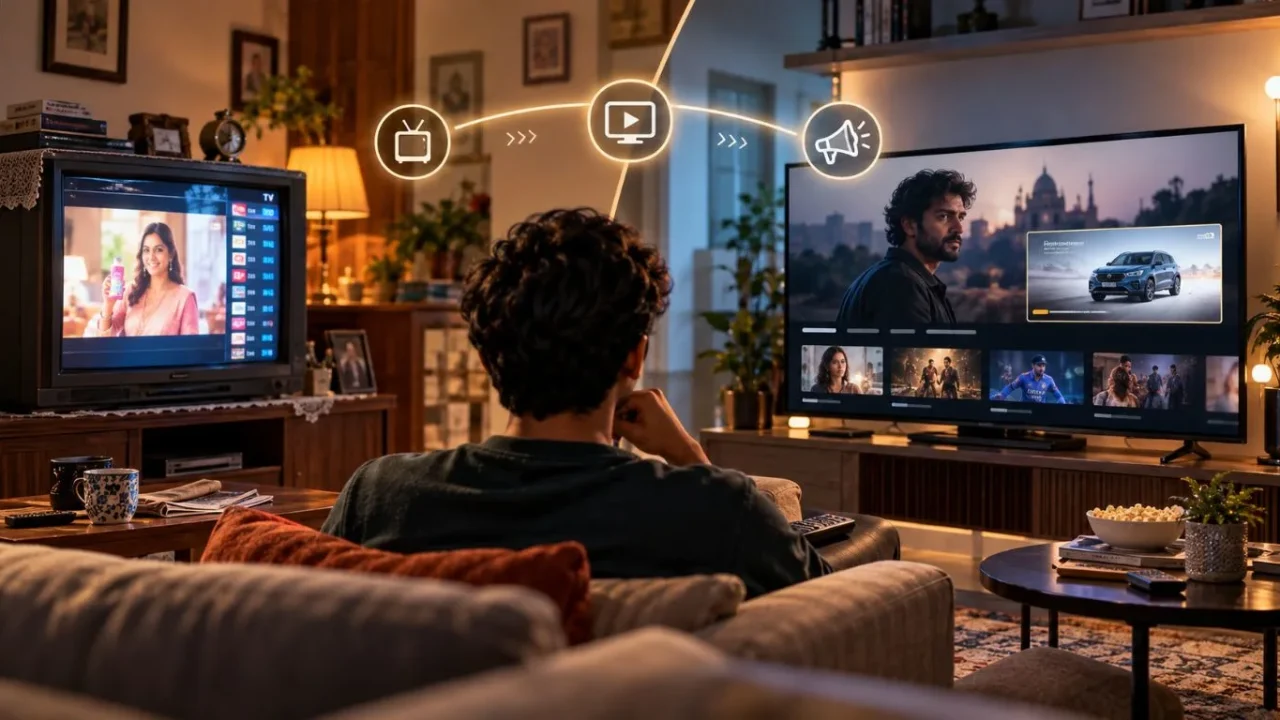
That’s the real change. Earlier:
- families watched the same TV shows
- entire countries saw the same ads
- ad campaigns became cultural moments
Now?
Everyone lives inside their own algorithm.
One person watches:
- YouTube shorts
Another watches:
- Netflix
Another watches:
- IPL highlights on mobile
Another watches:
- Korean dramas on OTT
Another watches:
- a 9-hour Minecraft livestream for reasons science still cannot explain
Mass attention is fragmented. Advertising followed.
Streaming Didn’t Just Change Viewing. It Changed Control.
Traditional TV forced viewers into schedules.
Streaming said: “Watch whatever you want, whenever you want, on whatever screen you want.”
That completely changed user psychology. Now audiences expect:
- personalization
- skip options
- recommendations
- shorter attention cycles
- multi-screen consumption
And marketers had to evolve alongside that behavior.
Why Advertisers Love Streaming More?
- Better Targeting
TV advertising was always partially guesswork. Streaming platforms know:
- What you watch
- When you watch
- What device do you use
- Your interests
- Your demographics
- Your viewing behavior
That’s market heaven.
2. Better Measurement
Traditional TV: “We THINK 8 million people watched this.”
Streaming: “23-year-old male watched 17 seconds, clicked ad, visited website, abandoned cart, returned after 2 days.”
One gives visibility. The other gives obsession-level analytics.
Guess which one modern marketers prefer?
3. Lower Entry Barriers
Earlier, TV ads felt like: “Congratulations, your startup has officially raised too much money.”
Now, even smaller brands can run streaming campaigns through:
- YouTube
- OTT platforms
- connected TV
- programmatic networksThe
TV ad era is slowly becoming democratized. That changes everything.
Here’s The Twist Nobody Talks About Enough
Streaming may win the future… but the TV Ad era still owns shared emotion. And that matters more than people think.
Think About It
The Super Bowl. World Cup finals. IPL. Breaking news moments. Award shows. Live events still create collective attention. Streaming creates personalized attention.
And those are not the same things.
The Future Isn’t “TV vs Streaming”
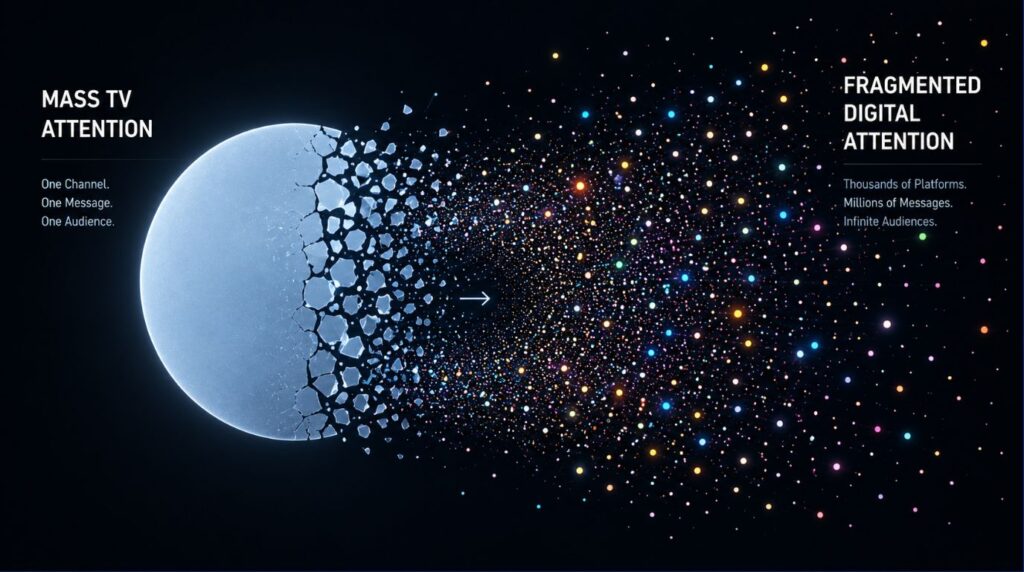
It’s Attention vs Distraction. Because modern consumers aren’t just choosing platforms anymore. They’re multitasking through life. People now:
- Watch Netflix while scrolling Instagram
- Watch cricket while replying on WhatsApp
- Watch YouTube while eating
- Skip ads within milliseconds
The real competition isn’t another platform. It’s fragmented human attention.
Ironically, Streaming Is Slowly Becoming Traditional TV Again
This is my favorite part.
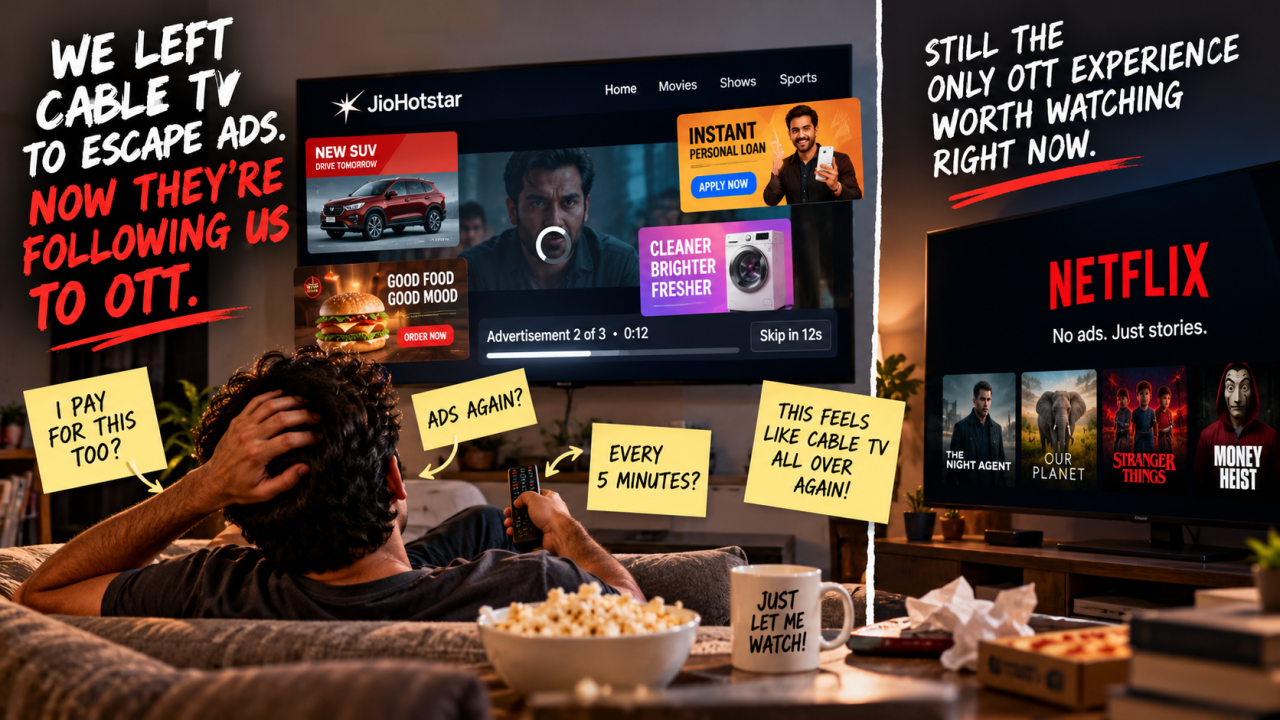
Streaming originally became popular because people hated:
- ads
- bundles
- schedules
- expensive subscriptions
Now streaming platforms are introducing:
- ads
- bundles
- live channels
- premium tiers
- sports rights
- scheduled content
We escaped cable TV only to reinvent cable TV with better UI. Humanity truly loves subscription fatigue.
AI Will Make This Shift Even More Aggressive
AI is about to completely reshape ad creation and targeting. Soon:
- Ads will become dynamically personalized
- Creatives will adapt in real-time
- AI-generated video ads will scale instantly
- Media buying will become increasingly automated
Which means streaming ecosystems become even more attractive to advertisers because they’re digital-first by design. The traditional TV Ad era simply cannot evolve that fast structurally.
The Biggest Loser May Not Be TV Channels
It may actually be: Generic Advertising
Because the future belongs to highly contextual, hyper-targeted, emotionally relevant content. People don’t mind ads anymore. They mind irrelevant ads. That’s a huge difference.
Also… Can We Admit Something Funny?
We spent 20 years complaining: “TV ads are too long and annoying.”
Now people voluntarily watch:
- 3-hour podcasts
- 9-part documentaries
- 40-minute YouTube essays titled:
“The Rise And Fall Of A Random Fast Food Mascot”
Attention spans didn’t disappear. Bad content just stopped surviving.
Final Thoughts on The TV Ad Era
I don’t think the traditional TV Ad era will disappear completely. But I do think its role changes permanently. Streaming isn’t just replacing television. It’s replacing the idea that audiences behave the same way anymore. And that’s the real disruption marketers need to understand.
Because in 2026 and beyond…the brands that win won’t necessarily be the loudest. They’ll be the ones that understand:
- context
- platforms
- behavior
- timing
- and fragmented human attention
Meanwhile somewhere…
A traditional TV Ad era executive is still trying to explain to shareholders why a cat reacting to football highlights on TikTok got more engagement than a prime-time commercial costing millions.
As the industry shifts, staying informed about tech trends is essential for anyone. Click through to read more such threads!