
• Home /
  • Tech /
  • Your Health Apps Might Be Making You Unhealthy
Health Apps

Your Health Apps Might Be Making You Unhealthy

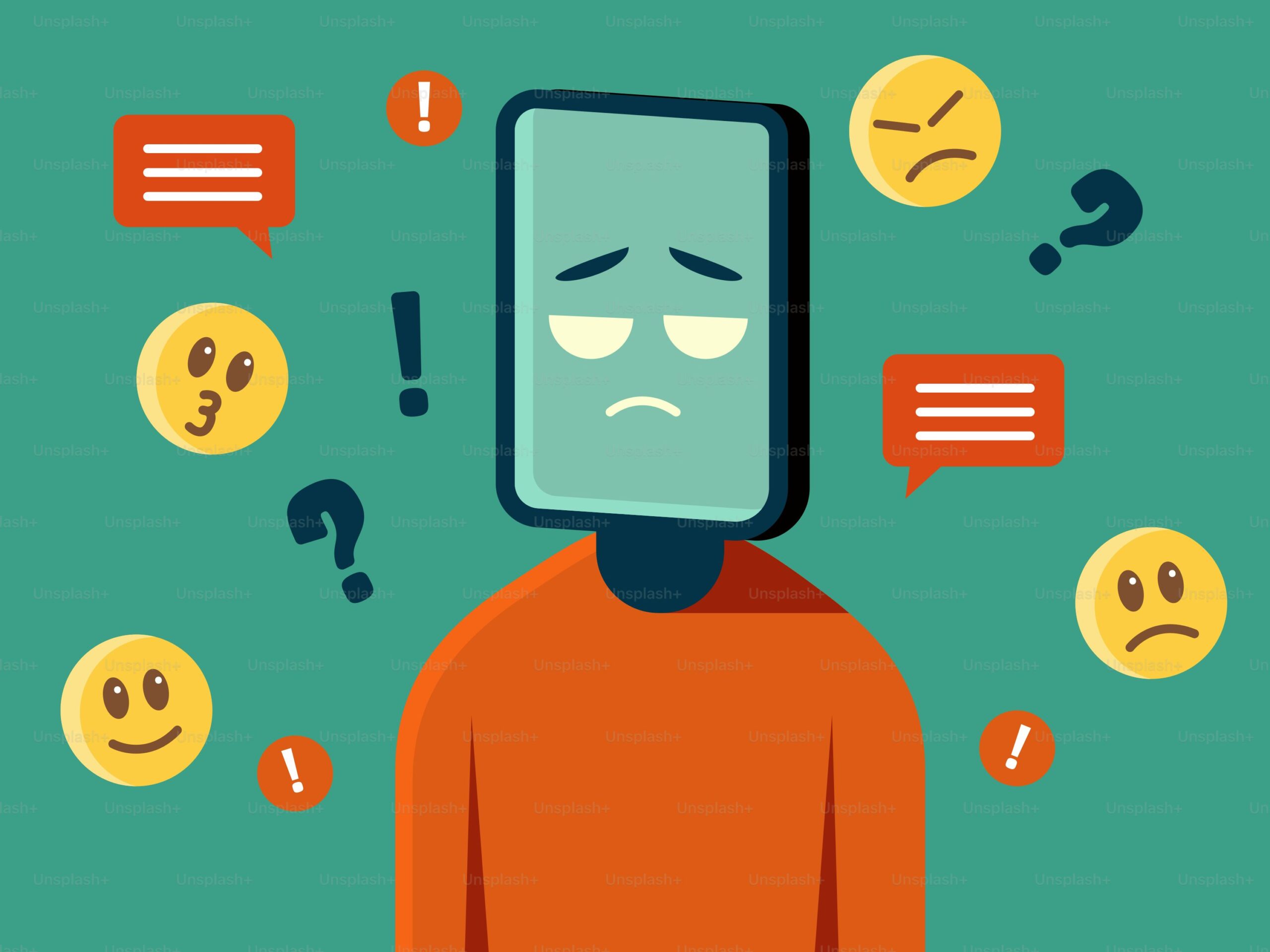
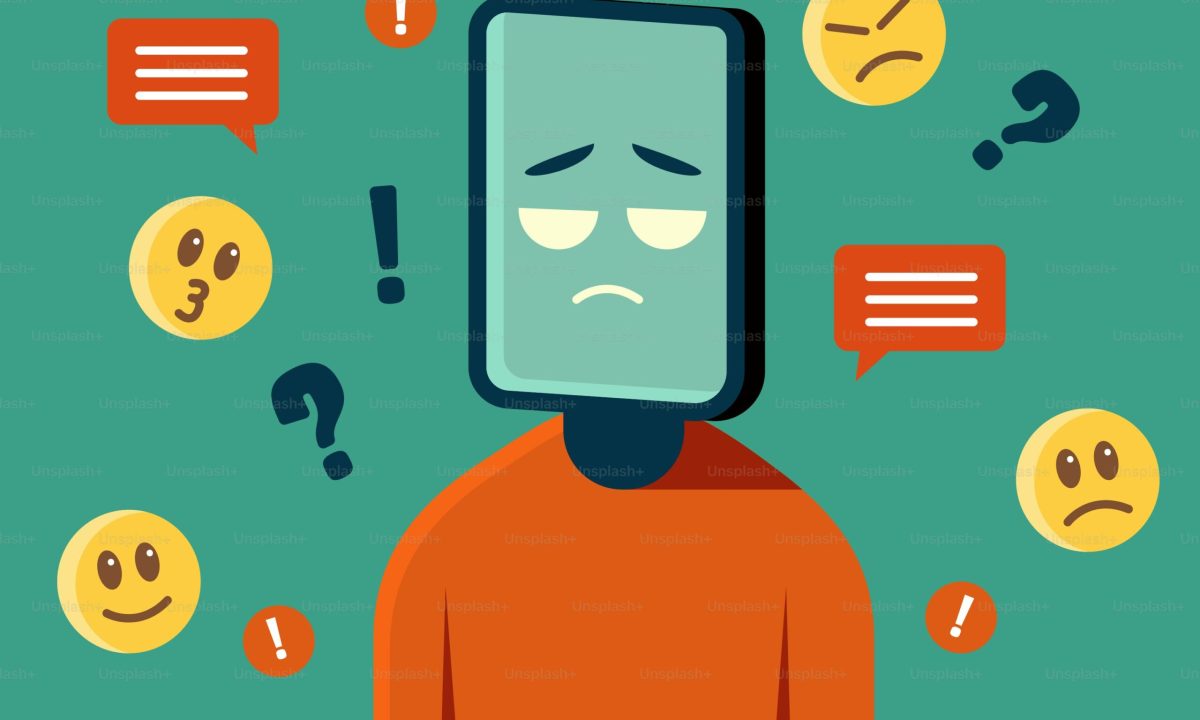
Somewhere along the way, “tracking your health” became a full-time job.

Steps. Sleep. Calories. Water. {Mood}.

And 47 notifications reminding you that you’re failing at all of them.

Irony level: high.

The signs you’re overdoing it

  • Fatigue → Too many apps, too many reminders
  • Anxiety + guilt → Miss a target, feel like a failure
  • Demotivation → You stop caring… then binge everything

Basically, the tools meant to help you feel better…

start making you feel worse.

Congrats. You’ve gamified stress.

Health Apps, What’s actually happening

Health apps are designed for engagement.

Not always for balance.

So instead of:

“Hey, take care of yourself”

It becomes:

“Hey, you’re 3,158 steps behind. Fix your life.”

The fix (thankfully simple)

  • Use fewer apps (you’re not managing a portfolio)
  • Stop tracking everything (you’re a human, not a dashboard)
  • Take offline breaks (yes, grass still exists)
  • Turn off unnecessary alerts (peace > push notifications)
  • Focus on basics → sleep, movement, real conversations

The bigger takeaway

Health isn’t built through constant monitoring.

It’s built through consistent habits.

And sometimes…

the healthiest thing you can do is ignore your phone, except this post 😀

Health Apps

Latest Threads...

Summary The traditional television playbook is officially broken. While the screen itself has survived, consumer behavior has completely fragmented across multiple devices, forcing marketing budgets to follow the attention. Driven

Summary Your home isn’t just a living space anymore—it’s a premium commodities market. As tech companies move beyond scraping textbooks and websites, the race for physical AI training data has

Summary Modern cybercrime no longer relies on cracking passwords; it focuses on hacking human psychology. Driven by sophisticated manipulation rather than technical exploits, criminals are deploying ruthless social engineering tactics

Summary When legacy companies run out of purely transactional growth, they are forced to rebrand emotion. Using Victoria’s Secret’s shift back to its aspirational roots as a prime case study,

Summary The traditional professional playbook is broken. For decades, a Master’s degree or an expensive MBA was an automatic guarantee of career security. Today, current labor data indicates a massive

Summary Somewhere between formal emails and instant messaging apps, organizational alignment fractured. Shifts in modern workplace communication highlight a deep generation gap where younger workers view messages as strictly informational,