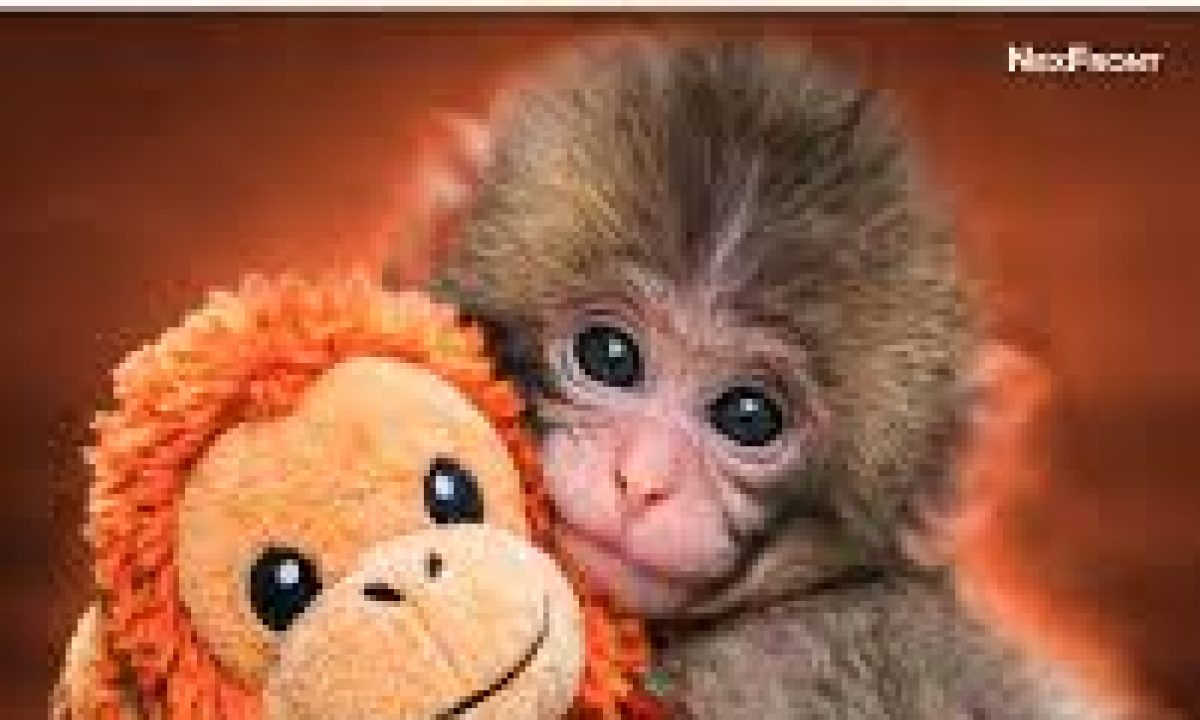

Plush toy punch

When a Monkey, a Plush Toy, and the Internet Collided

sometimes just sometimes Sometimes the internet reminds us it still has a heart.

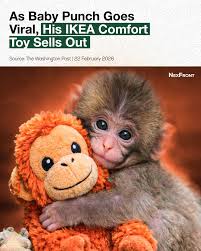
Over the past few weeks, a tiny Japanese macaque named Punch has quietly become one of the internet’s most shared moments of tenderness. Not because he did something spectacular. But because he did something deeply human — he sought comfort

What Hapoened

Punch, born at a zoo near Tokyo, was reportedly rejected by his biological mother shortly after birth. Hand-raised by zookeepers, he later struggled with reintegration into macaque society. Viral clips showed him attempting to engage with other monkeys, only to be brushed aside.

Then came the moment that changed everything.

Zookeepers introduced a plush orangutan toy — IKEA’s Djungelskog. Punch latched onto it instantly. He carried it around, clung to it, slept with it. The internet saw a baby monkey holding onto a soft toy for comfort — and responded with overwhelming empathy.

Why This Went Viral

This wasn’t a spectacle. It was vulnerability.

In a timeline filled with outrage, political debate, and algorithmic noise, a simple image of attachment cut through. It tapped into something universal — rejection, loneliness, and the need for comfort.

That’s what made it powerful.

Plush toy punch

Latest Threads...

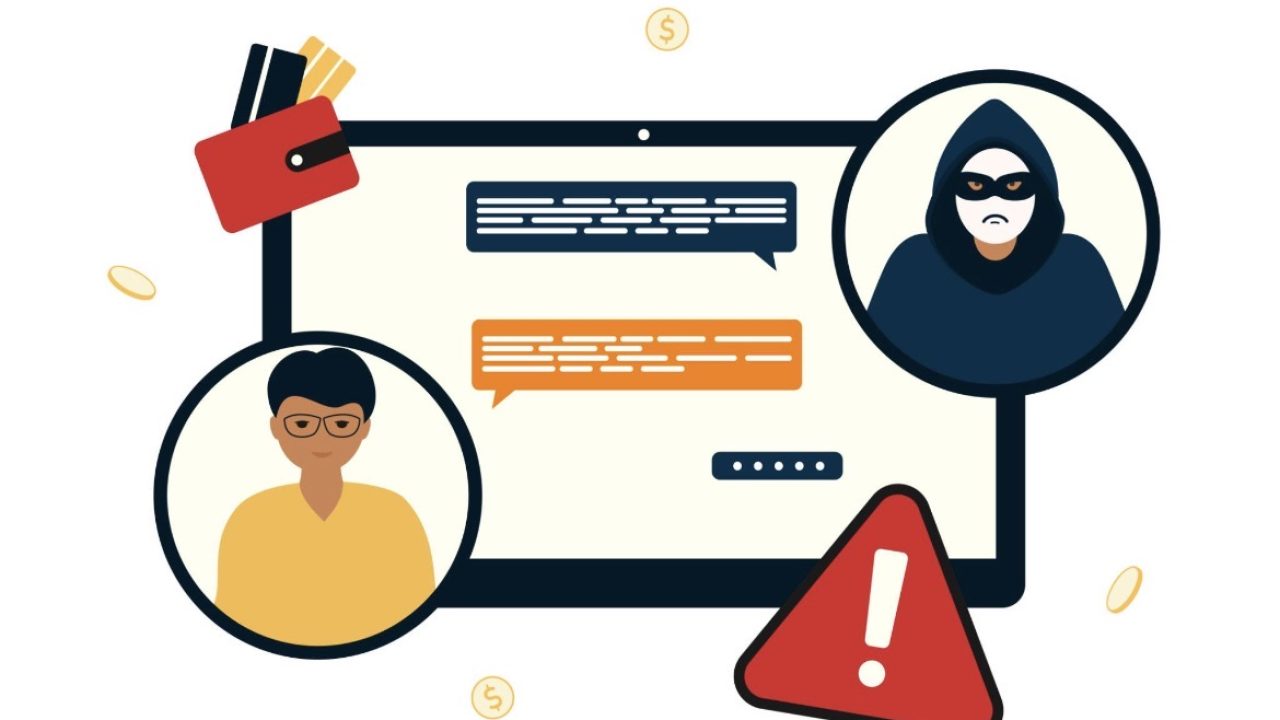
A 13-Year-Old Outsmarted a Cyber Scam. Most Adults Wouldn’t. I read this and had one immediate thought: We’re not losing to scammers because they’re smart. We’re losing because they’re convincing.

A few years ago, brands were flexing how innovative they were. “Powered by AI.” “AI-generated.” “Next-gen creativity.” Now? They’re proudly saying the exact opposite. “No AI used.” And I can’t

Somewhere along the way, “tracking your health” became a full-time job. Steps. Sleep. Calories. Water. {Mood}. And 47 notifications reminding you that you’re failing at all of them. Irony level:

Artificial Intelligence (AI) is widely promoted as a tool that enhances creativity and efficiency. Yet for many design students, it is increasingly becoming a barrier rather than a benefit. While

Fashion week in 2026 has changed a lot, but the most noticeable shift is in fashion marketing. As a design student, I’ve realised that brands are no longer just focused

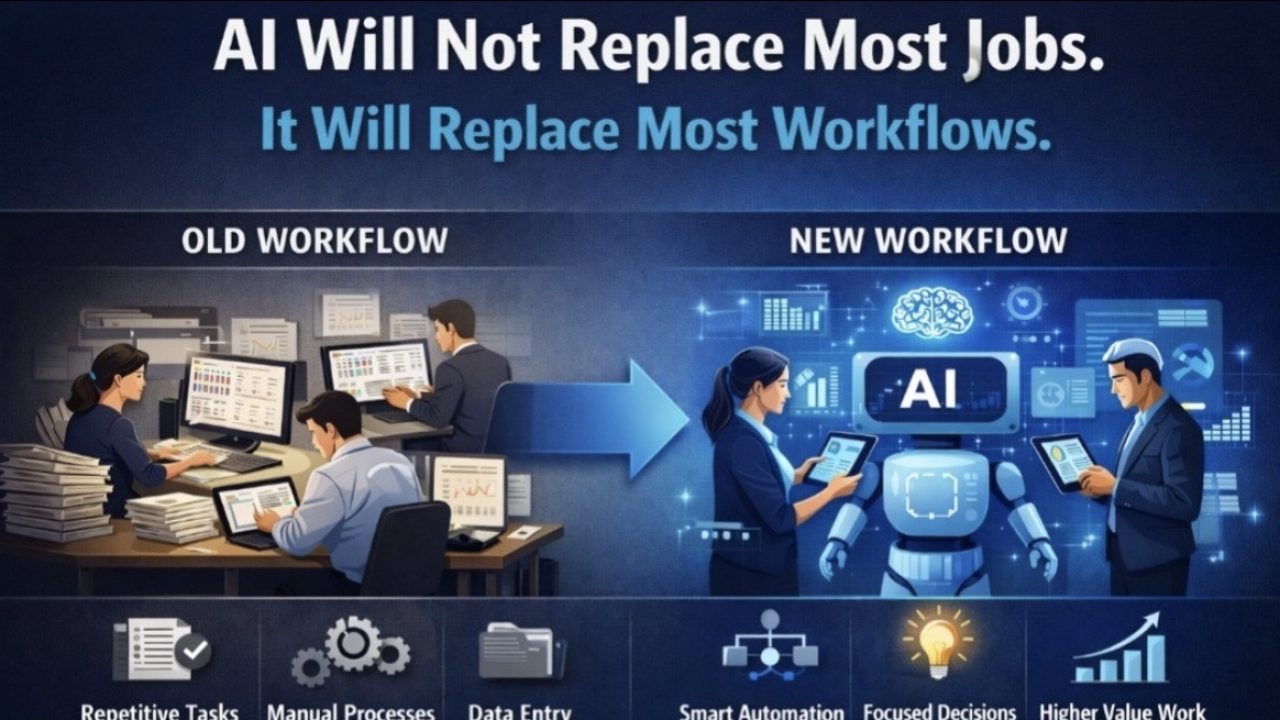
Stop Thinking About AI Agents as Employees. Start Thinking in Workflows. Most companies are asking the wrong question. “What does this AI agent do?” That’s like asking what Excel does…