
A few years ago, brands were flexing how innovative they were.
“Powered by AI.”
“AI-generated.”
“Next-gen creativity.”
Now?
They’re proudly saying the exact opposite.
“No AI used.”
And I can’t help but find this entire shift… slightly ironic.
⸻
When “Real” Became the New Premium
I came across this campaign where a brand is explicitly telling consumers:
• No AI-generated models
• No retouched bodies
• No manipulated visuals
Just real people. Real images.
And suddenly, that’s the differentiator.
Think about that for a second.
We’ve reached a point where being real is now a marketing strategy.
Not a default.
A strategy.
⸻
What Changed?
I think this didn’t happen overnight.
It’s a reaction.
Over the past year, we’ve been flooded with:
• AI-generated influencers
• Perfect-looking but slightly “off” visuals
• Content that feels polished… but hollow
At scale.
So naturally, consumers started asking:
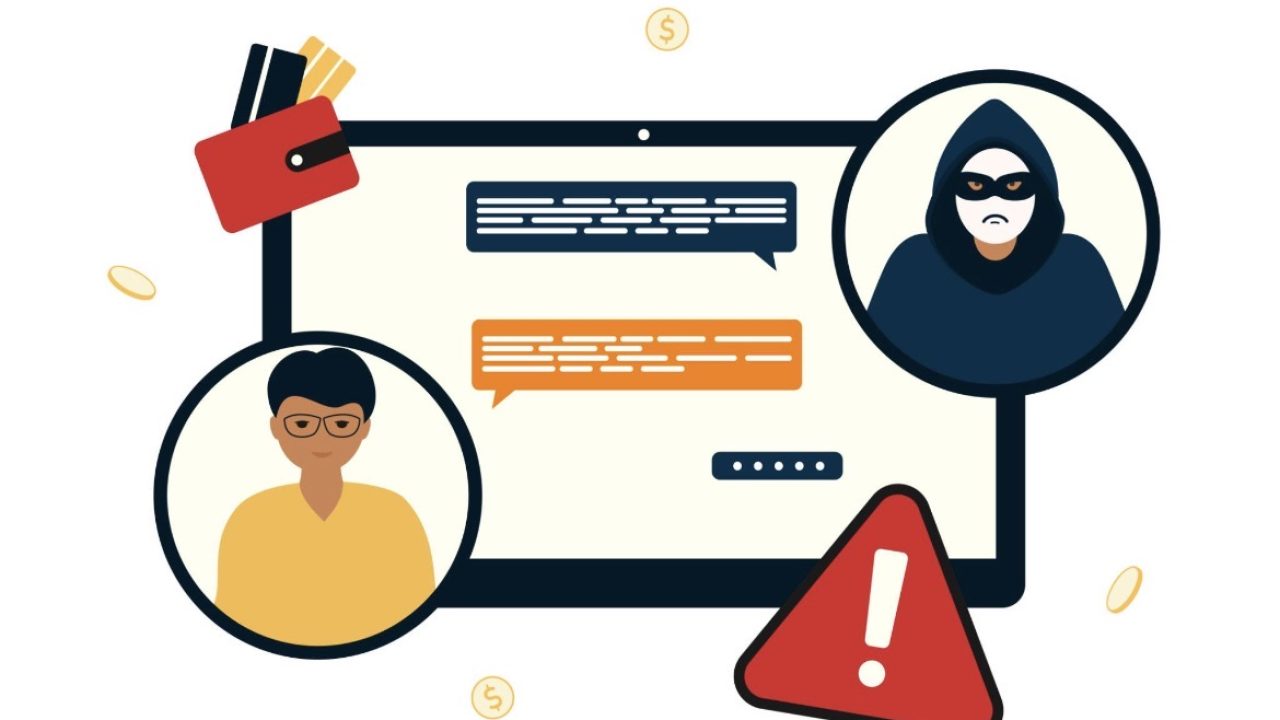
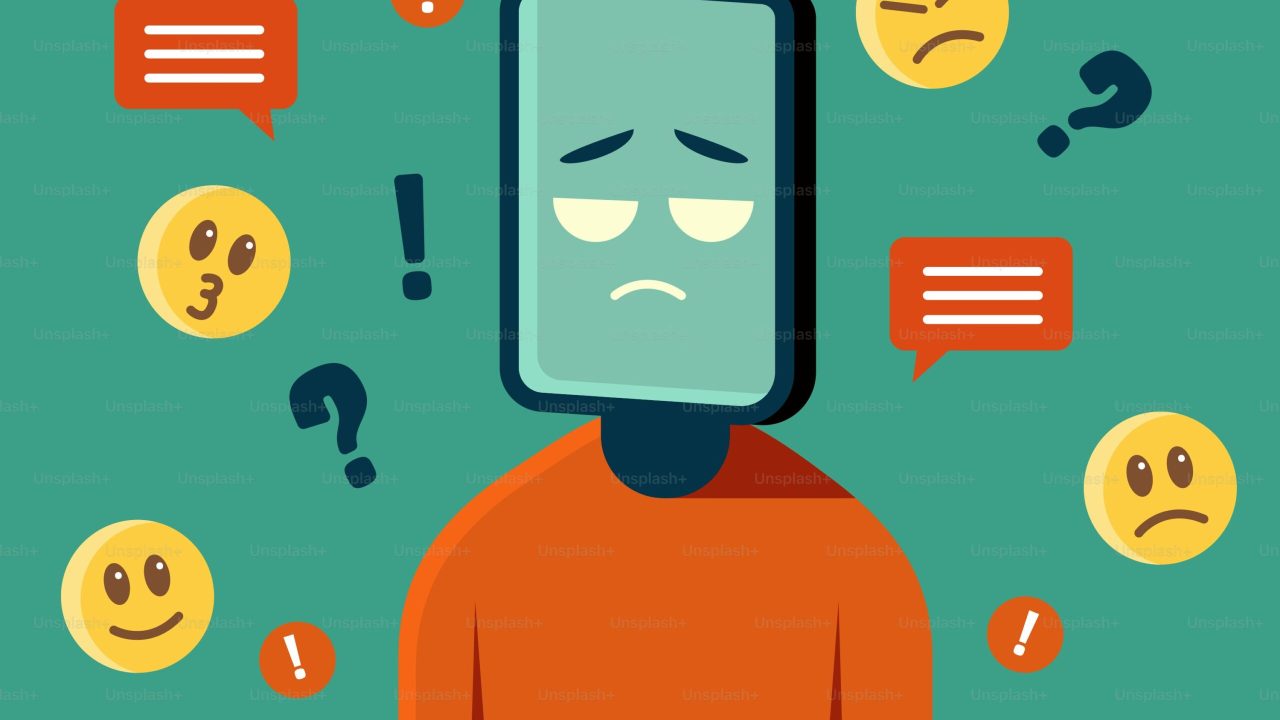
“Is this even real?”
And once that question enters the chat, trust quietly leaves the room.
⸻
The Rise of “Authenticity Marketing”
What I’m seeing now is brands repositioning themselves around absence.
Not what they use.
But what they don’t use.
• No AI
• No filters
• No retouching
It’s almost like a food label:
“100% organic. No preservatives.”
Except now it’s:
“100% human. No algorithms.”
⸻
But Let’s Be Honest for a Second
Do consumers actually care about AI…
Or do they care about how AI makes them feel?
Because I don’t think people are anti-AI.
People are anti:
• Feeling deceived
• Unrealistic standards
• Content that feels fake
If AI can create something authentic, relatable, and transparent…
No one is going to boycott it.
⸻
The Satirical Part (Because It Deserves One)
Imagine this in 2028:
• “Shot on iPhone”
• “Edited on Premiere Pro”
• “No AI used in the making of this ad”
We’re basically heading toward ingredient lists for creativity.
At this rate, brands might start adding:
• “100% human-written copy”
• “No ChatGPT harmed in this campaign”
And honestly… I wouldn’t be surprised.
⸻
The Real Insight (Beyond the Headlines)
Here’s what I think is actually happening:
AI didn’t kill authenticity.
It made authenticity visible.
Earlier, everything was already edited, polished, curated.
But now that AI has scaled that to the extreme, the contrast is obvious.
So brands are reacting.
Not by rejecting AI completely…
But by signalling trust.
⸻
What This Means for Marketers (Including Me)
This shift forces a new question:
It’s no longer just:
“Can we create this with AI?”
It’s:
“Should we tell people how this was created?”
Because transparency is becoming part of the product.
And that’s a big deal.
⸻
My Take
I don’t think “No AI” is the future.
It’s a phase.
A reaction to overuse.
Eventually, the winning brands won’t be the ones that avoid AI.
They’ll be the ones that use it well — without breaking trust.
Because at the end of the day, consumers don’t care about your tools.
They care about:
• How real it feels
• How honest it is
• How much they can trust it
⸻
The Takeaway
We’ve entered a strange new era.
Where saying “this is real” is no longer obvious.
It’s a claim.
And when something that basic becomes a claim…
You know the market has changed.
⸻
Also, just putting it out there —
If brands keep going in this direction,
we might soon see ads proudly saying:
“Made by humans. Slightly flawed. Probably better.”