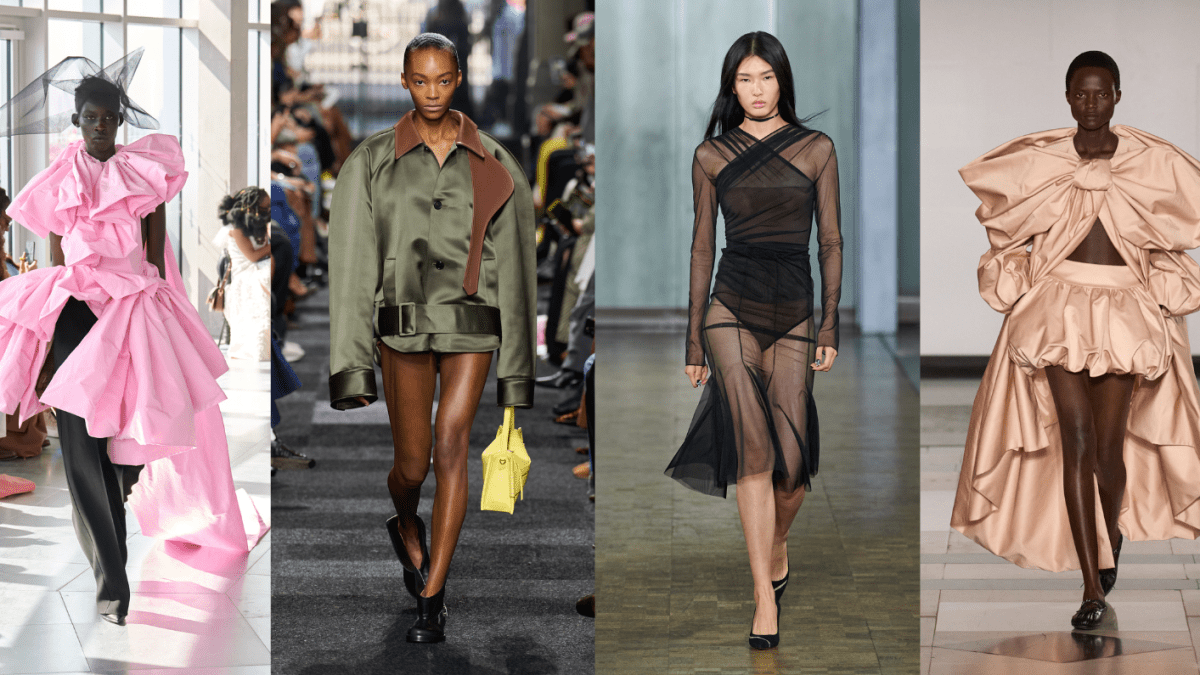
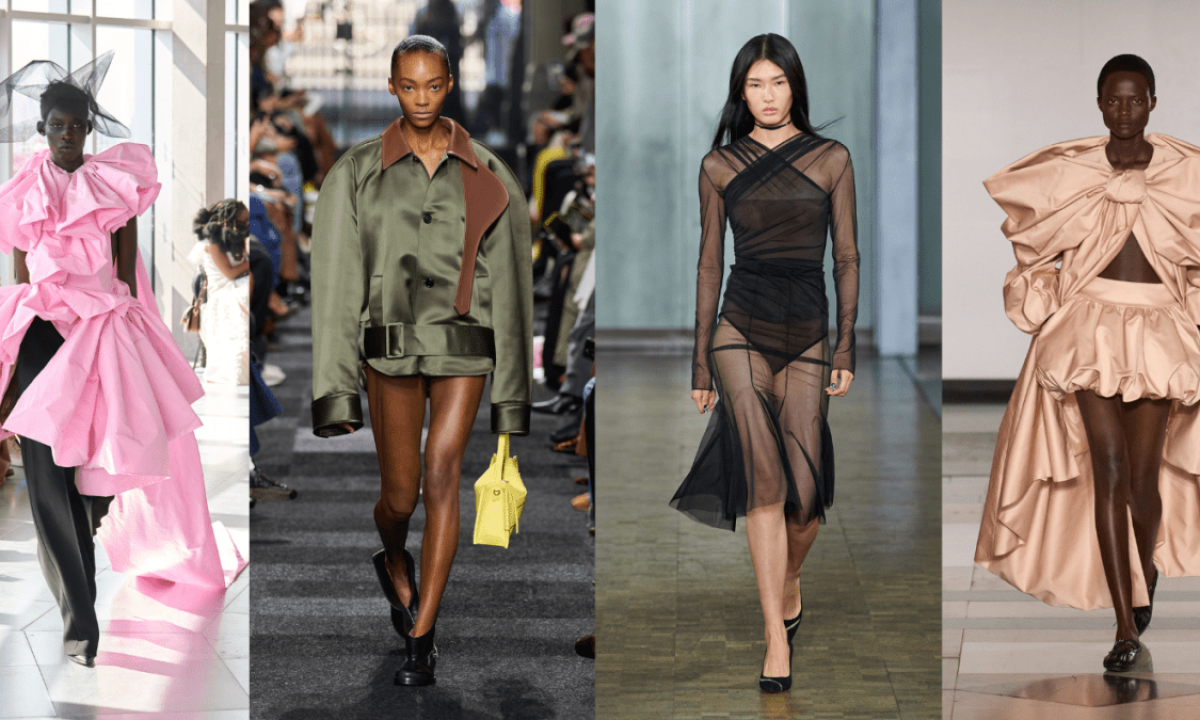
Fashion week marketing is no longer what happens after the runway. It is the runway. That shift — quiet, then sudden, then irreversible — is the defining story of the season we’ve just watched unfold across New York, London, Milan, Paris, Tokyo, and Mumbai. Six cities. Dozens of shows. Hundreds of millions of impressions. And beneath all of it, a fundamental rethinking of what fashion brands are actually selling, and to whom, and through what new language.
There is a particular silence that follows a runway. The models have walked, the editors have filed out, the front row has been photographed from seventeen angles. And then the real machinery starts — the kind that doesn’t make noise, but moves everything.
1. The Runway as Content Engine: New York’s Fashion Week Marketing Blueprint
New York set the tone — commercial, democratic, deliberately legible. Brands like Tory Burch entered the season not with a collection alone, but with a full content architecture: casting documentaries, mood films, behind-the-scenes reels timed to drop in waves across weeks. The show becomes the seed. Everything else is the harvest. According to The Business of Fashion, brands that invest in multi-format content around their shows see up to 3x the earned media of those that rely on the show alone.
This is what modern fashion week marketing looks like: not a campaign but a content ecosystem, designed to generate conversation long after the lights go down.
2. London: Location as Strategy
Burberry under Daniel Lee has turned location into language. When you stage a show in a brutalist car park or a stretch of English countryside, you are building a backdrop designed to be photographed, shared, and interpreted. The set does half the fashion week marketing work before a single look walks out. It says: we are not afraid to be looked at. This is the lesson the entire industry is absorbing — the set is not decoration. The set is strategy.
3. Milan’s Luxury Paradox: Fashion Week Marketing Through Ideology
Milan is where fashion week marketing reaches its most interesting contradiction. The Italian houses — Prada, Versace, Bottega Veneta — navigate the central tension of modern luxury: exclusivity sells on mystery, but mystery cannot survive the algorithm. What Miuccia Prada has mastered is ideological positioning as marketing. When a collection is framed around a philosophical provocation — the grotesque, the anti-fashion, the uniform — it generates earned media that no paid campaign can replicate.
The direction luxury fashion week marketing is moving: away from aspiration-through-access, toward aspiration-through-ideology. The question is no longer can I afford this? It is do I understand this?
4. Paris and the Algorithm: Technology Reshaping Fashion Week Marketing
Paris remains the gravitational center — but even the Palais Royal has had to negotiate with the feed. This is where technology quietly reshapes fashion week marketing from the inside out. AI-assisted trend forecasting is now standard in most major houses. According to the McKinsey State of Fashion 2025 report, brands using social listening tools to map emotional response — aspiration, nostalgia, humor — are outperforming those that rely on post-season analysis alone. The data informs the next campaign before the current season’s show has finished streaming.
The runway, increasingly, is a hypothesis. The data tells you whether it landed.
5. Tokyo: Community Over Visibility
Tokyo Fashion Week operates at a frequency the Western calendar has never fully tuned into — and that is precisely why it rewards attention. Sacai, Comme des Garçons, and their contemporaries have built cult marketing ecosystems not through spectacle but through scarcity and subcultural fluency. As Vogue Business has noted, Tokyo’s strongest houses treat community as infrastructure. When a brand becomes the private language of a specific group, it doesn’t need a front row. It has something better: loyalty that doesn’t expire at the end of a trend cycle.
6. Lakmé Fashion Week: Fashion Week Marketing and the Indian Opportunity
Lakmé Fashion Week has spent the last few seasons doing something quietly significant — repositioning Indian fashion not as heritage export but as contemporary global voice. The fashion week marketing challenge here is layered. You are speaking simultaneously to a domestic audience growing more sophisticated by the season, a diaspora hungry for representation, and an international audience still learning the vocabulary. What the strongest designers at Lakmé have understood is that specificity travels further than universality. A collection built around a particular story of craft and ecology carries more international weight than one chasing Western silhouettes.
7. The Real Product: Where Fashion Week Marketing Goes From Here
Six cities. Six distinct registers of fashion week marketing, each running its own experiment with visibility, community, technology, and story. The brands winning this season are not the ones with the biggest budgets or the longest guest lists. They are the ones that have understood the real product was never the clothes. The real product is the story the clothes allow you to tell about yourself.
And the brands that know how to tell that story — before, during, and long after the runway — are the ones that will outlast this season, and the next, and the one after that.