
There’s a certain irony in how we talk about AI and jobs. We love debating which glamorous roles will get automated – Creators, Marketers, Designers, or Coders.
But meanwhile, somewhere in the real world…
An auditor is climbing a 90-foot grain bin to count corn.
Yes. In 2026.
When we discuss AI in auditing, we usually talk about detecting fraud in spreadsheets, but the reality involves much more dust.
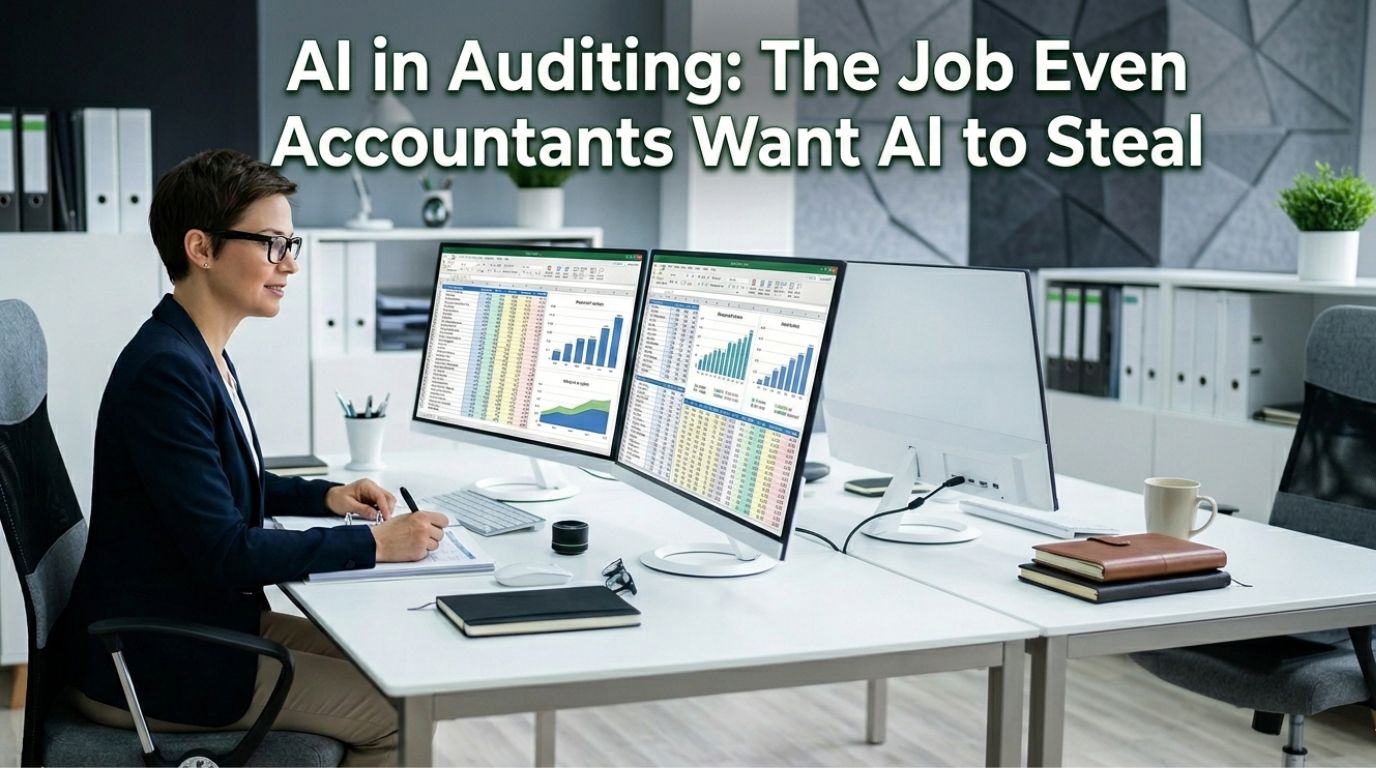
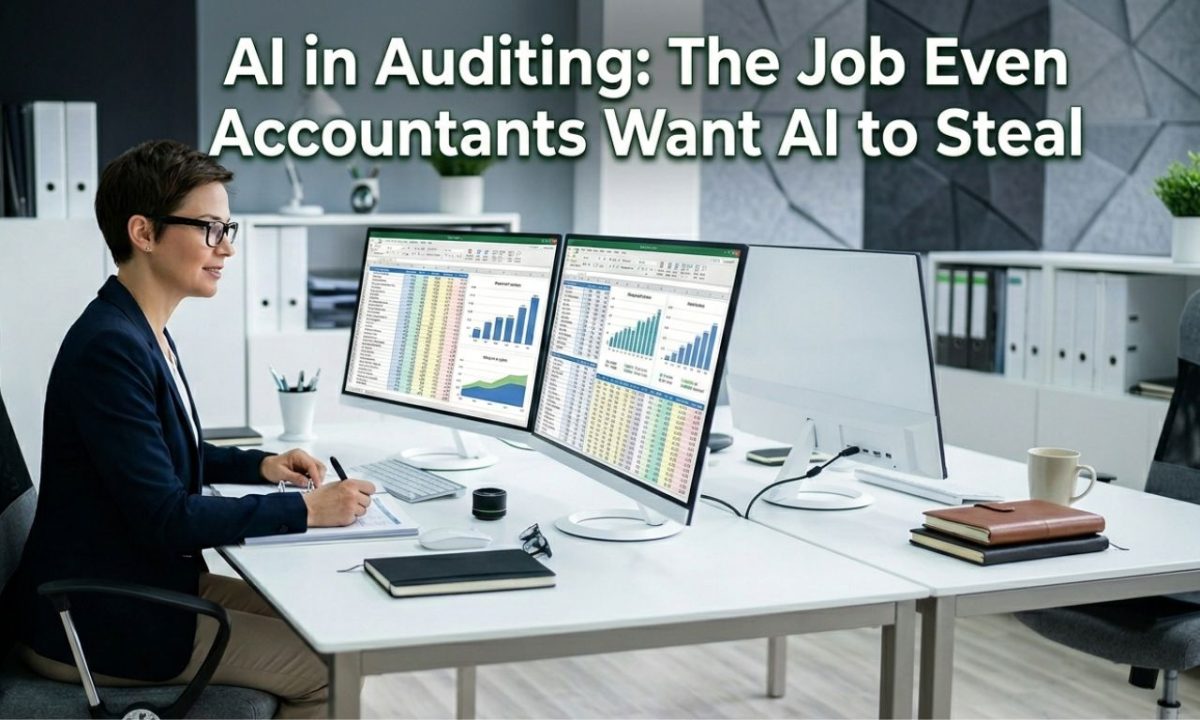
This is not what people imagine AI in auditing and accounting looks like. When most people think of accountants, they imagine:
- Excel sheets
- Air-conditioned offices
- Calm, structured work
Not:
- Dust-filled grain silos
- Climbing ladders in hazardous conditions
- Counting physical inventory like it’s 1826
And yet, that’s still happening.
Why AI in Auditing is Stuck in the Dark Ages?
Auditors are literally sent to count:
- Chickens
- Corn
- Rocks
- Frozen fish
Because “verification.”
Let me say this upfront, if there’s one job AI should take over…
It’s this. Immediately.
Not because it’s inefficient. Because it’s unnecessarily painful.
The Absurdity of Modern Work
Here’s what fascinates me.
We live in a world where:
- AI can generate films
- AI can write code
- AI can predict diseases
But we still don’t have a reliable way to count grain without sending a human inside a dust chamber, because the adoption of AI in auditing hasn’t reached the physical supply chain yet.
That’s not a tech limitation. That’s a prioritisation problem.
The Real Issue Isn’t Automation

It’s where we’re choosing to automate. We talk about generative art, but we ignore the massive potential for AI in auditing physical assets.
We’re busy using AI to:
- Write LinkedIn posts faster
- Generate 100 ad copies
- Create AI influencers
Meanwhile, jobs that are:
- Physically risky
- Repetitive
- Low-value
Are still… manual.
The Twist
Even the people doing these jobs want AI to take over. This isn’t one of those “AI is stealing jobs” narratives.
This is: “Please take this job.”
The Uncomfortable Truth
Not all jobs are worth preserving in their current form. Some jobs exist because:
- Systems haven’t evolved
- Regulations haven’t updated
- Technology hasn’t been applied where it matters
And auditing physical inventory feels like one of those.
The Satire Writes Itself
Imagine explaining this to someone in the future:
“We had AI that could simulate human conversation…”
“But we still sent humans to count chickens manually.”
They’d think it’s a joke.
What I Think is Actually Happening?
AI adoption today is heavily skewed toward:
- Visible impact (marketing, content, customer-facing work)
- Revenue-driving functions
But the real opportunity? It’s in the unsexy problems. The ones nobody talks about.
The ones hidden in:
- Supply chains
- Compliance
- Field operations
Because that’s where AI in auditing creates real leverage. Not by making things look smarter. But by making things:
- Safer
- Faster
- Less human-dependent in the wrong places
My Takeaway
We’ve been asking the wrong question. Instead of “Will AI in auditing replace jobs?”
We should be asking “Which jobs should AI replace first?”
And I’d argue, anything that involves:
- Risk without reward
- Repetition without thinking
- Effort without value
Should be at the top of that list.
Final Thought
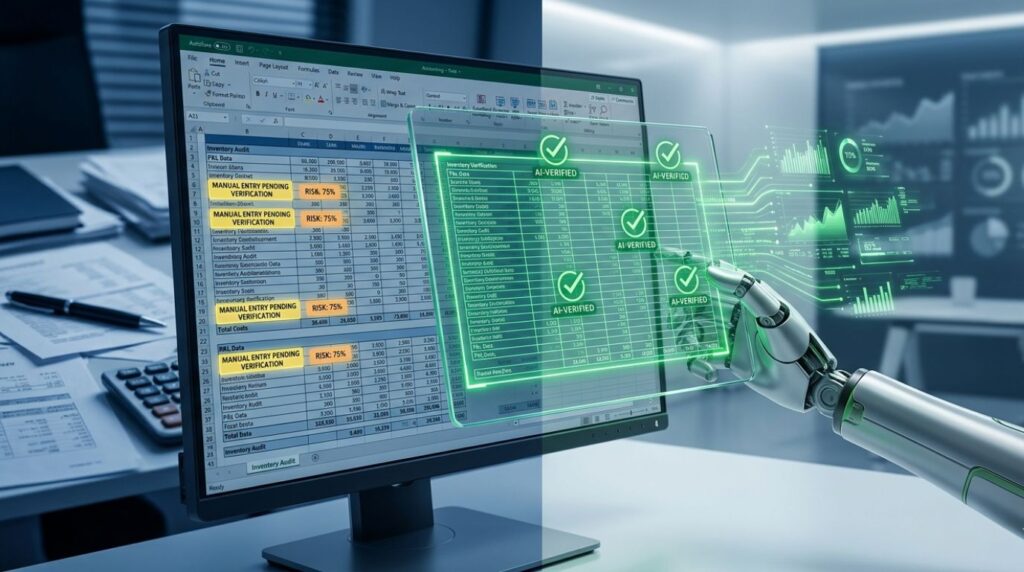
AI in auditing isn’t just about efficiency. It’s about the evolution of work. And if we’re still sending humans into dusty grain bins to count inventory, then maybe we’re not moving as fast as we think we are. The real evolution of work isn’t just about doing things faster; it’s about ensuring that the most dangerous parts of a job are handled by silicon, not souls.
Also, just saying —
If AI can write this blog post…
It should definitely be able to count a pile of corn.
As the industry shifts, staying informed on the latest AI news is essential for any person. Click through to read more such threads!