Artificial Intelligence (AI) is widely promoted as a tool that enhances creativity and efficiency. Yet for many design students, it is increasingly becoming a barrier rather than a benefit. While AI can generate polished visuals in seconds, it often disrupts the very process through which designers learn, think, and grow.
Introduction: AI in Design Education
Design education is not just about producing visually appealing outcomes—it is about understanding the journey behind them. Students are expected to brainstorm ideas, experiment with different approaches, make mistakes, and refine their work. This process builds critical thinking and a unique creative voice. However, AI tools can bypass these stages by offering instant results. As a result, students may rely on generated outputs instead of developing their own ideas, weakening their problem-solving skills over time.
Another challenge is the loss of originality. AI systems are trained on existing data, meaning their outputs are often based on patterns rather than fresh perspectives. When students depend heavily on such tools, their work can begin to look similar to others, lacking personal identity. In a field where uniqueness is highly valued, this can put students at a disadvantage.
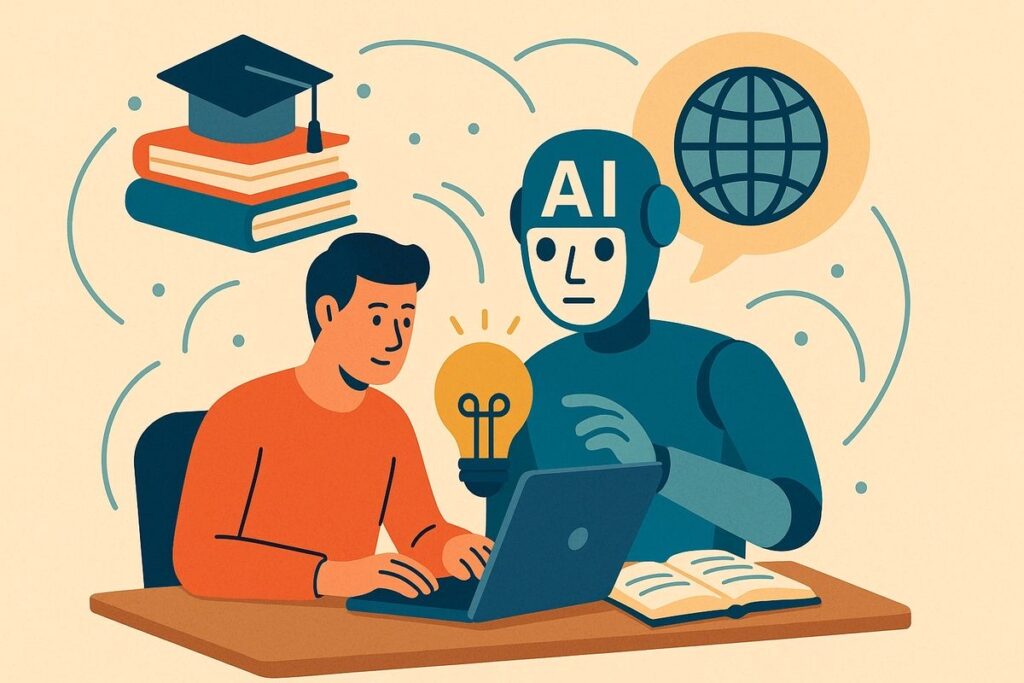
AI also creates a gap between appearance and understanding. A student may produce high-quality designs using AI without fully grasping fundamental concepts like layout, typography, or color theory. This can lead to a false sense of confidence. When asked to create something without AI assistance, they may struggle, revealing a lack of core design skills.
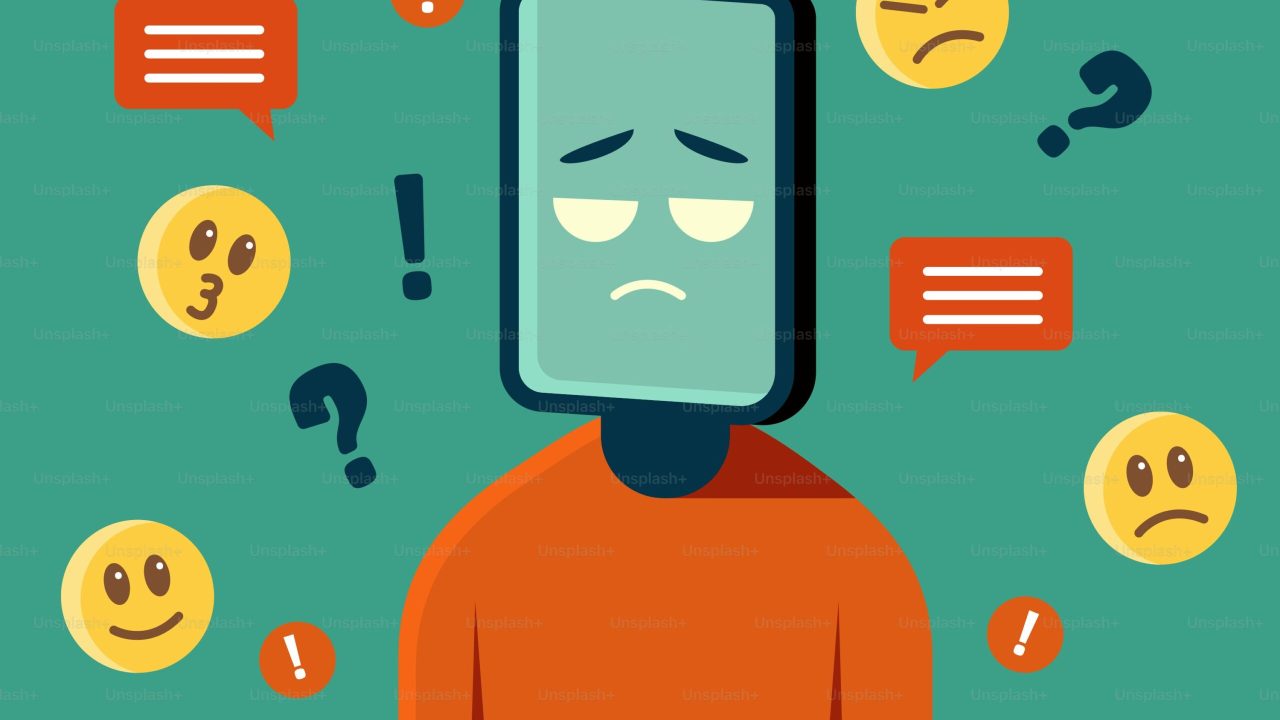
Beyond technical concerns, AI can also affect students psychologically. Seeing machines generate impressive designs instantly can be discouraging, especially for beginners. It may lead to self-doubt and reduced motivation, making students question their own abilities and creative value.
Psychological Impact on Students
There are also ethical issues to consider. The use of AI in academic work raises questions about authorship and originality. If a design is largely generateid by a tool, it becomes difficult to determine how much of the work truly belongs to the student. This creates uncertainty in evaluation and challenges traditional learning standards. L
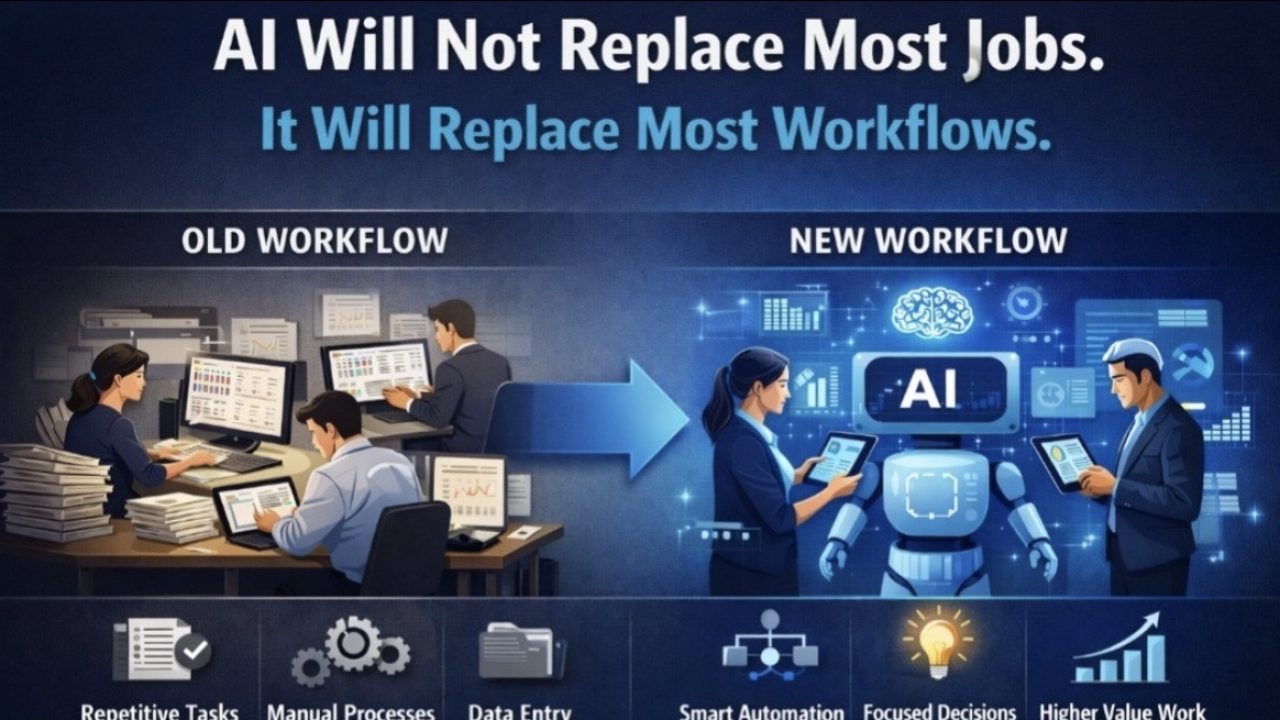
However, the problem is not AI itself, but how it is used. When introduced without proper guidance, it can hinder learning. But when used carefully, AI can still support students by helping them explore ideas or handle repetitive tasks. The key is to ensure that it complements the creative process rather than replacing it.
In addition to these concerns, it is important to recognize how AI is reshaping the expectations placed on young designers, often prematurely. Students today are not only learning design fundamentals but are also navigating a fast-evolving landscape where speed and output are sometimes valued more than depth and intention. This shift can pressure students to prioritize quick results over meaningful exploration, pushing them toward AI tools as a shortcut rather than a support system.
Dependency and Reduced Problem-Solving Skills
Over time, this can create a dependency that limits their ability to think independently and take creative risks. Design, at its core, thrives on curiosity, observation, and personal interpretation—qualities that cannot be automated or replicated by algorithms. When students skip the slow and sometimes frustrating stages of ideation and iteration, they miss out on building resilience and adaptability, which are essential traits in any creative profession. Moreover, the overuse of AI can dilute the emotional and human aspect of design.
Good design often connects with people on a personal level, reflecting real experiences, cultural context, and individual stories. AI-generated outputs, while technically impressive, may lack this depth, resulting in work that feels polished but impersonal. For students, developing the ability to infuse their work with meaning and authenticity is just as important as mastering technical skills. Educational institutions therefore play a crucial role in setting boundaries and frameworks for AI usage.
Conclusion: Finding the Balance
By encouraging a balanced approach—where students first develop concepts manually before integrating I as a refinement tool—they can ensure that learning remains process-driven. Workshops, critiques, and hands-on projects should continue to emphasize originality and critical thinking, helping students understand that AI is a tool, not a replacement for creativity. Ultimately, the goal should be to empower students to use AI with intention and awareness, rather than reliance. By doing so, they can harness its benefits without compromising their growth, ensuring that their creative voice remains distinct, thoughtful, and truly their own.
In conclusion, while AI has the potential to support design education, it can also act as a barrier if overused or misused. For design students, true growth comes from engaging deeply with the creative process. Maintaining this balance is essential to ensure that technology enhances, rather than limits, human creativity.