
A 13-Year-Old Outsmarted a Cyber Scam. Most Adults Wouldn’t.
I read this and had one immediate thought:
We’re not losing to scammers because they’re smart.
We’re losing because they’re convincing.
A 13-year-old kid in Bareilly just prevented his parents from getting trapped in what’s now being called a “digital arrest” scam.
Yes, that’s a thing now.
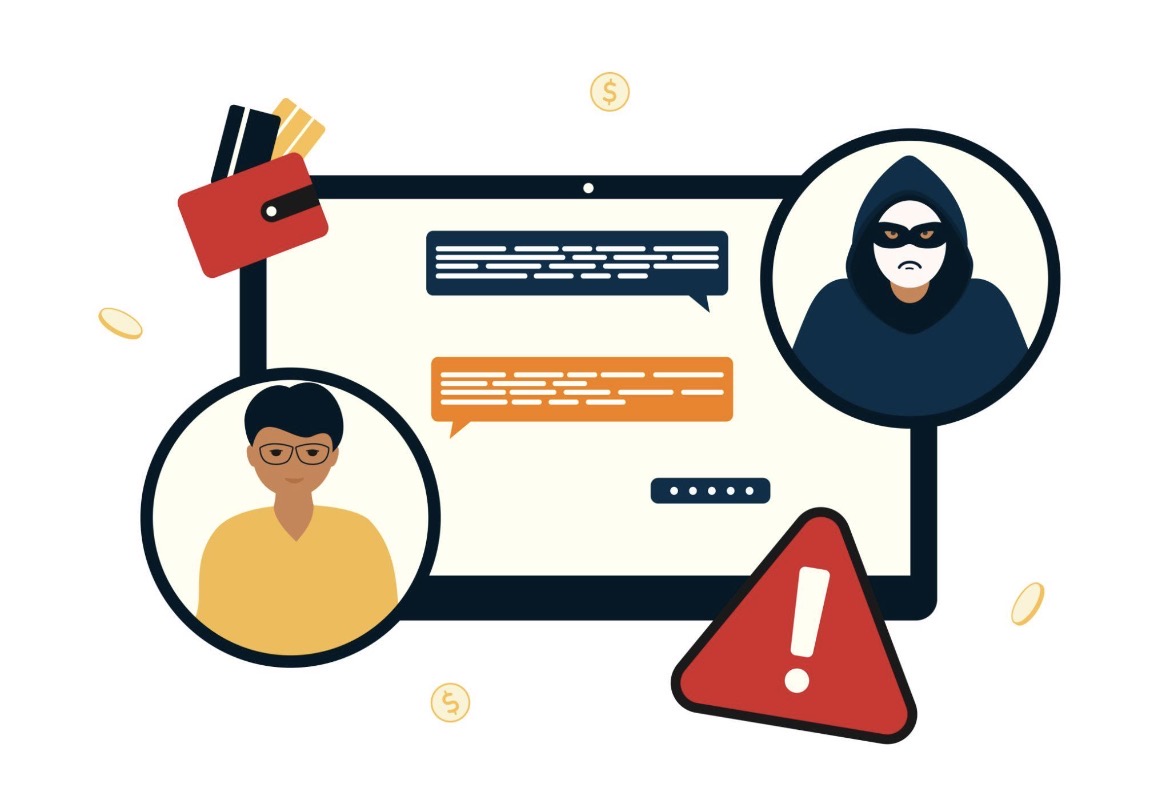
Scammers impersonate authorities, accuse you of being involved in something illegal, and then keep you on a video call — isolating you, pressuring you, and slowly extracting information.
It’s less hacking.
More psychological warfare.
The part that stood out to me
This kid didn’t have some advanced cybersecurity knowledge.
He had something much simpler.
Awareness.
He had read about similar scams earlier.
That’s it.
No coding skills.
No ethical hacking course.
No “Top 10 ways to prevent cyber fraud” YouTube binge.
Just… context.
And that was enough to spot the pattern.
Meanwhile, most adults…
Let’s be honest.
Most people still think scams look like:
“Congratulations, you’ve won ₹25 lakhs.”
But scams in 2026 look like:
- Fake officials
- Real-looking documents
- Video calls
- Urgency + fear
- Legal jargon
They don’t try to trick your intelligence.
They attack your emotions.
Fear > logic. Every single time.
The genius move
The kid told his father to put the phone on flight mode.
Which, by the way, doesn’t immediately disconnect calls in all cases.
That small pause was enough to:
- Break the pressure
- End the scammer’s control
- Regain clarity
And once that happened — game over.
What I find fascinating (and slightly worrying)
We’ve spent years talking about:
- Digital literacy
- Online education
- Internet awareness
But clearly, we’ve not scaled practical awareness enough.
Because if a 13-year-old can spot this…
Why can’t a 30-year-old?
The uncomfortable truth
Scams don’t work because people are “gullible.”
They work because:
- The situation feels urgent
- The authority feels real
- The fear feels personal
And in that moment, logic takes a backseat.
Anyone can fall for it.
Yes, even you.
This is not a tech problem
It’s a behavior problem.
We don’t train people on:
- How to react under pressure
- When to disconnect
- When to question authority
We just tell them:
“Don’t share OTP.”
That’s like telling someone:
“Don’t crash the car.”
Without teaching them how to drive.
My takeaway
The biggest takeaway here isn’t that a kid saved his parents.
It’s this:
Information compounds.
That one article he read earlier?
It paid off.
Massively.
What I’d actually recommend (for everyone reading this)
Not a long list. Just three things:
- Assume urgency = scam
If someone is rushing you, pause. - Break the loop
Hang up. Call someone you trust. Step away. - Verify independently
Never trust the channel that contacted you.
The ironic part
We live in a world where:
- Kids learn from the internet
- Adults ignore the internet
And then…
Kids end up saving adults from the internet.
Final thought
This wasn’t a story about a smart kid.
It was a story about preparedness beating panic.
And if there’s one thing I’m taking away from this, it’s this:
In today’s world,
awareness is not optional.
It’s survival.