For years, Instagram marketing has revolved around one question: Should you invest in ads or grow organically?
In 2026, the answer is becoming clearer—organic content isn’t just surviving, it’s outperforming paid ads in ways that matter most: trust, engagement, and long-term growth.
Let’s break down why.
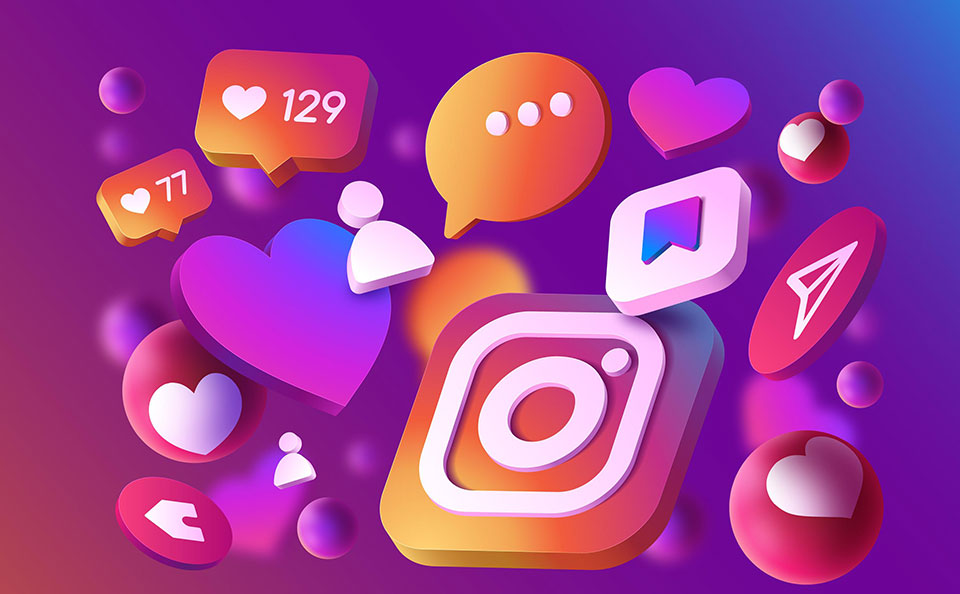
The Shift: From Interruptions to Connections
Paid ads are designed to interrupt. Organic content is designed to connect.
Today’s audience is more aware than ever. They can spot an ad instantly—and more often than not, they scroll past it. Organic content, on the other hand, blends naturally into their feed. It feels less like marketing and more like storytelling.
And that difference? It’s everything.
Why Organic Content Is Winning
1. Trust Is the New Currency
People don’t trust ads the way they used to. Organic posts—especially those that feel real, unfiltered, and human—build credibility over time.
A behind-the-scenes video, a founder story, or even a raw customer experience often performs better than a polished ad campaign.
2. Better Engagement, Lower Cost
Organic reach might seem unpredictable, but when it hits—it hits hard. High-quality content can generate:
- Shares
- Saves
- Comments
- Repeat views
And the best part? It doesn’t cost anything except creativity and consistency.
3. Algorithm Favors Value, Not Budget
Instagram’s algorithm in 2026 prioritizes content that keeps users engaged. That means:
- Watch time
- Interaction
- Relevance
A small creator with great content can outperform a big brand with a massive ad budget.
Where Paid Ads Still Matter
This isn’t to say paid ads are useless—they’re just no longer the foundation.
Paid ads work best when:
- You’re launching a product
- You want to scale something that’s already working organically
- You need targeted reach quickly
Think of ads as fuel—not the engine.
The Power of Organic Strategy
Winning organically on Instagram isn’t random—it’s strategic.
Consistency Over Perfection
Posting regularly builds familiarity. People start recognizing your brand, your tone, your style.
Relatability Over Production
A simple, relatable Reel often outperforms a cinematic one. People connect with people—not perfection.
Storytelling Over Selling
Instead of saying “Buy this,” show:
- How it’s made
- Who it’s for
- Why it matters
Let the audience decide—they’re smarter than ever.
What Actually Works Right Now
- Short-form videos with strong hooks
- Day-in-the-life or behind-the-scenes content
- Honest opinions and experiences
- Educational content in simple formats
- Community interaction (replying to comments, DMs, polls)
The Long Game Advantage
Paid ads can bring quick results. Organic content builds something far more valuable: a loyal audience.
An audience that:
- Trusts you
- Engages with you
- Buys from you—without needing to be convinced every time
That’s not just marketing. That’s brand equity.
Final Thought
In a world full of ads, authenticity stands out.
Organic content isn’t about doing more—it’s about doing what matters. Showing up consistently, being real, and creating content people actually care about.
Because at the end of the day, people don’t follow ads.
They follow stories, personalities, and value.
And that’s where organic wins.
Question for you:
If you had to choose—would you rather have 10,000 followers who trust you, or 100,000 who scroll past you?
Read more.