
The Biggest Challenge for Humanoid Robots Isn’t Intelligence. It’s Trust.
For years, the conversation around humanoid robots has revolved around one question:
“When will they become smart enough?”
Today, I think we’re asking the wrong question.
The bigger challenge isn’t intelligence anymore.
It’s safety. It’s humanoid robot safety.
As humanoid robots move from controlled demos to factories, warehouses, hospitals, and eventually our homes, companies are now investing heavily in something far less glamorous than AI models—making sure these machines don’t accidentally hurt people.
That might become the defining challenge of the robotics industry.
The AI Problem Has Changed
Until recently, robotics companies were obsessed with making robots walk, balance, identify objects, and complete tasks.
Those problems haven’t disappeared.
But now there’s a new one.
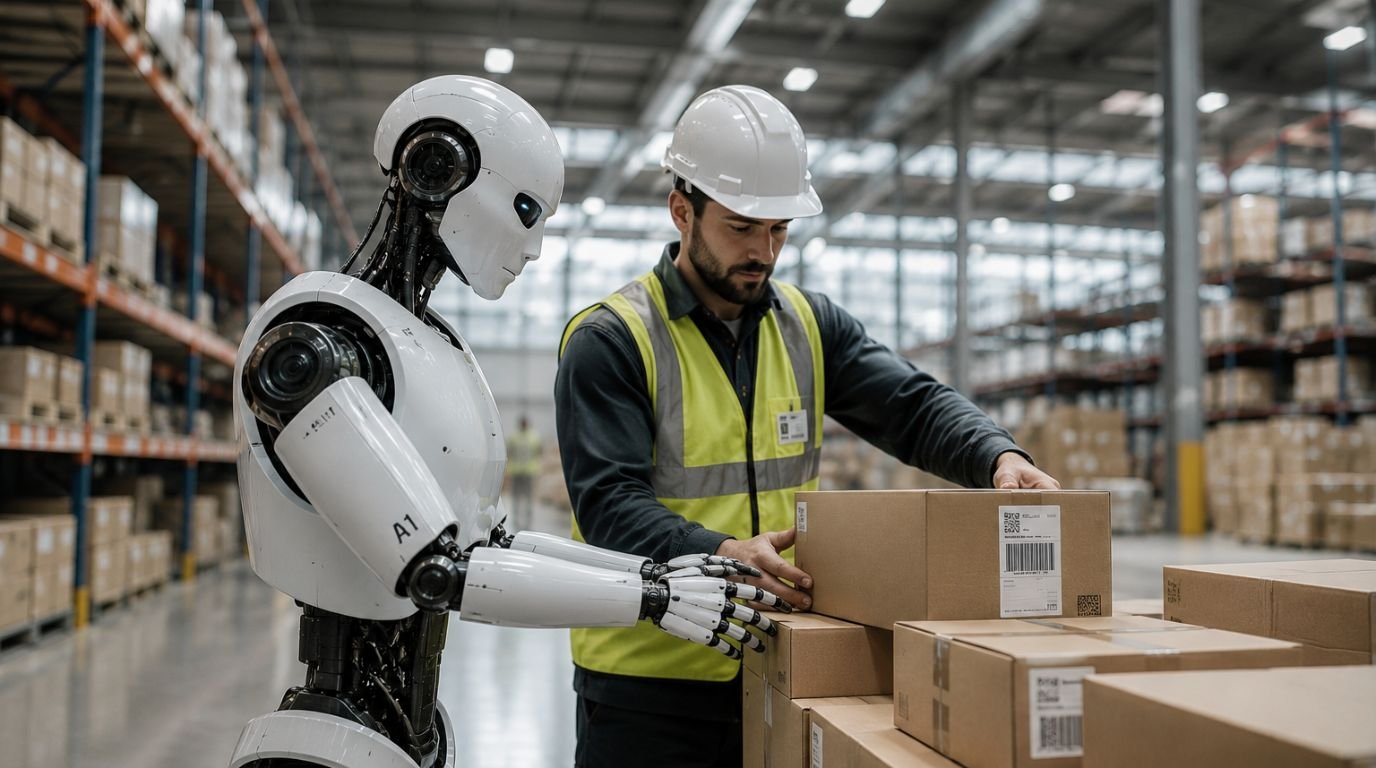
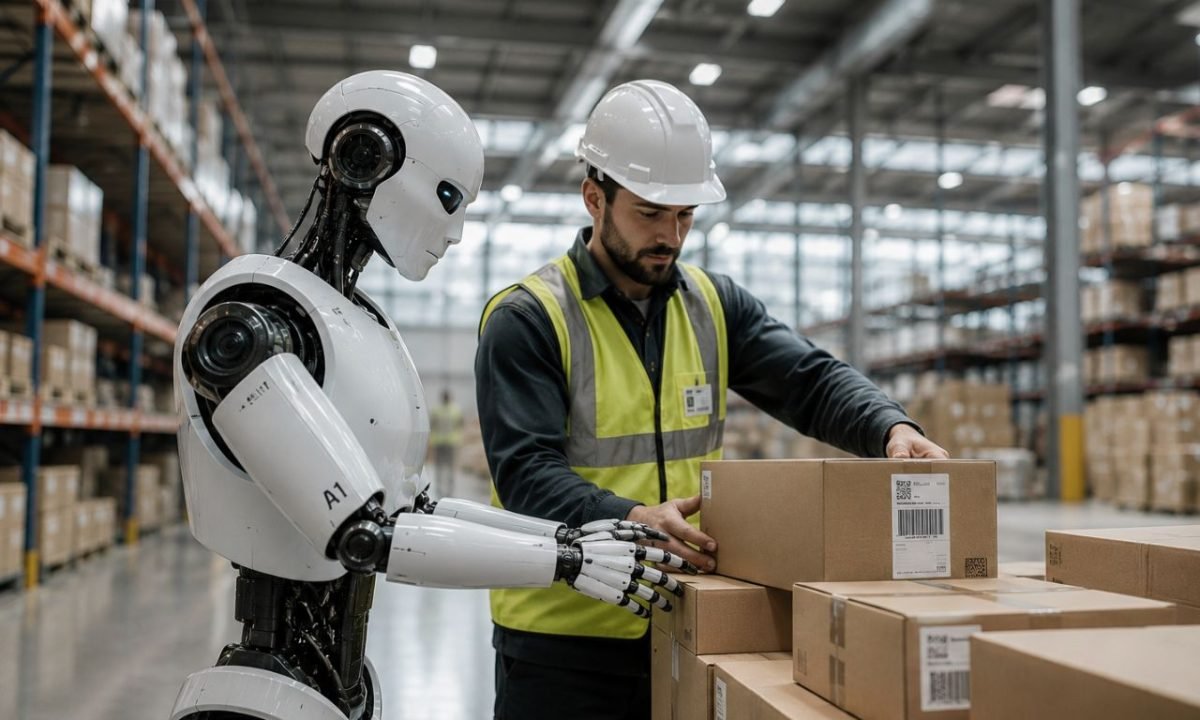
How do you safely place a 90-kilogram (200-pound) humanoid robot next to a human worker?
Unlike software bugs, a robotics failure has physical consequences.
If an AI chatbot gives a wrong answer, you restart the conversation.
If a humanoid robot loses balance while carrying equipment, the consequences are very different.
Factories Are Becoming the First Testing Ground
Humanoid robots are no longer just research projects.
Several companies are already testing them in manufacturing plants and warehouses where they perform repetitive, physically demanding tasks.
It makes perfect business sense.
Factories struggle with labour shortages.
Workers don’t enjoy repetitive lifting.
Businesses want higher productivity.
Humanoid robots appear to be the perfect solution.
But only if humans trust them enough to work beside them.
Safety Will Become a Competitive Advantage
Every robotics company is racing to build the smartest machine.
I believe the winners may instead be the companies that build the safest one.
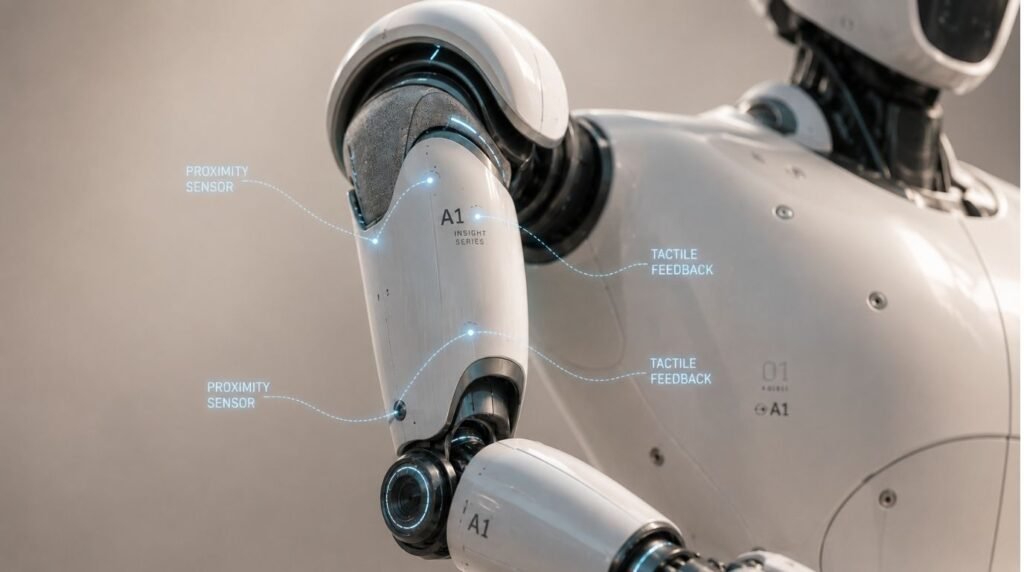
While hardware companies race to showcase processing power, market adoption will ultimately favor systems engineered around comprehensive safety mechanisms. Industry investment is shifting toward core structural protections:
- Better sensors
- Faster obstacle detection
- Human movement prediction
- Emergency stop systems
- Force limitations
- Redundant safety mechanisms
These aren’t exciting product launch features.
But they’ll determine whether robots become everyday co-workers or remain controlled demonstrations.
The Market Opportunity Is Massive
Analysts project that nearly 1 billion humanoid robots could be deployed worldwide by 2050, creating a market worth trillions of dollars.
That’s an incredible opportunity.
But history has shown us something important.
People don’t adopt technology simply because it’s impressive.
They adopt technology when they trust it.
The same happened with online banking.
With autonomous vehicles.
With AI.
And now with humanoid robots.
The Marketing Lesson
As marketers, we often talk about product features.
But trust is the feature that sells everything else.
A robot may have incredible AI.
It may walk like a human.
Lift heavy objects.
Work 24×7.
But if employees don’t feel safe standing next to it, adoption will stall.
Technology adoption has always been as much about psychology as engineering.
My Take
We’re entering a fascinating phase where AI is no longer limited to our screens.
It’s stepping into our physical world.
That changes everything.
The companies that win won’t necessarily be those that build the smartest robots.
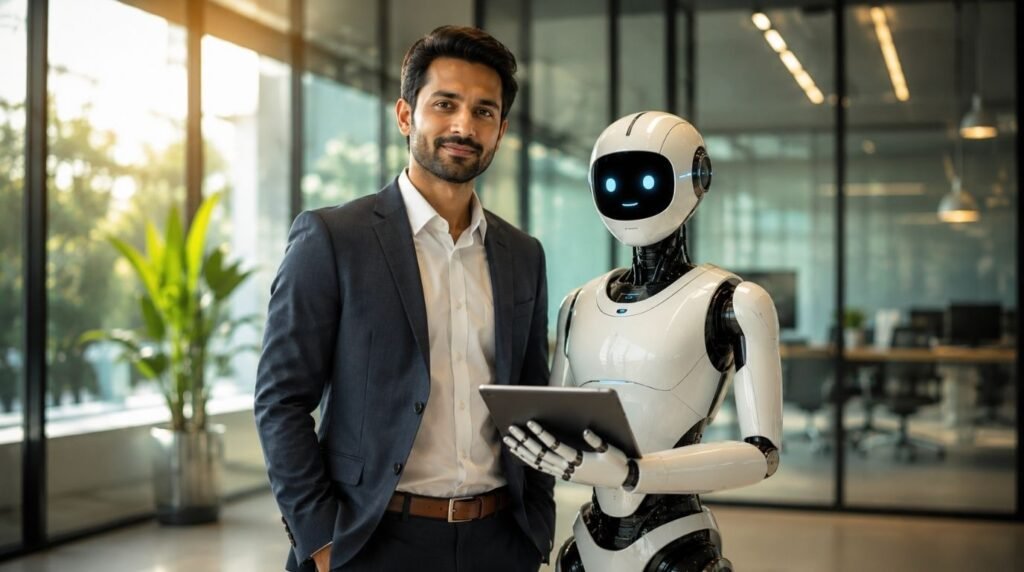
They’ll be the ones that make humans feel comfortable working alongside them.
Because in the end, the future of robotics won’t be decided by processors or algorithms.
It’ll be decided by one simple question:
“Would you trust this robot standing next to you?”
As the industry shifts, staying informed about the latest tech news is essential for anyone. Click through to read another thread!