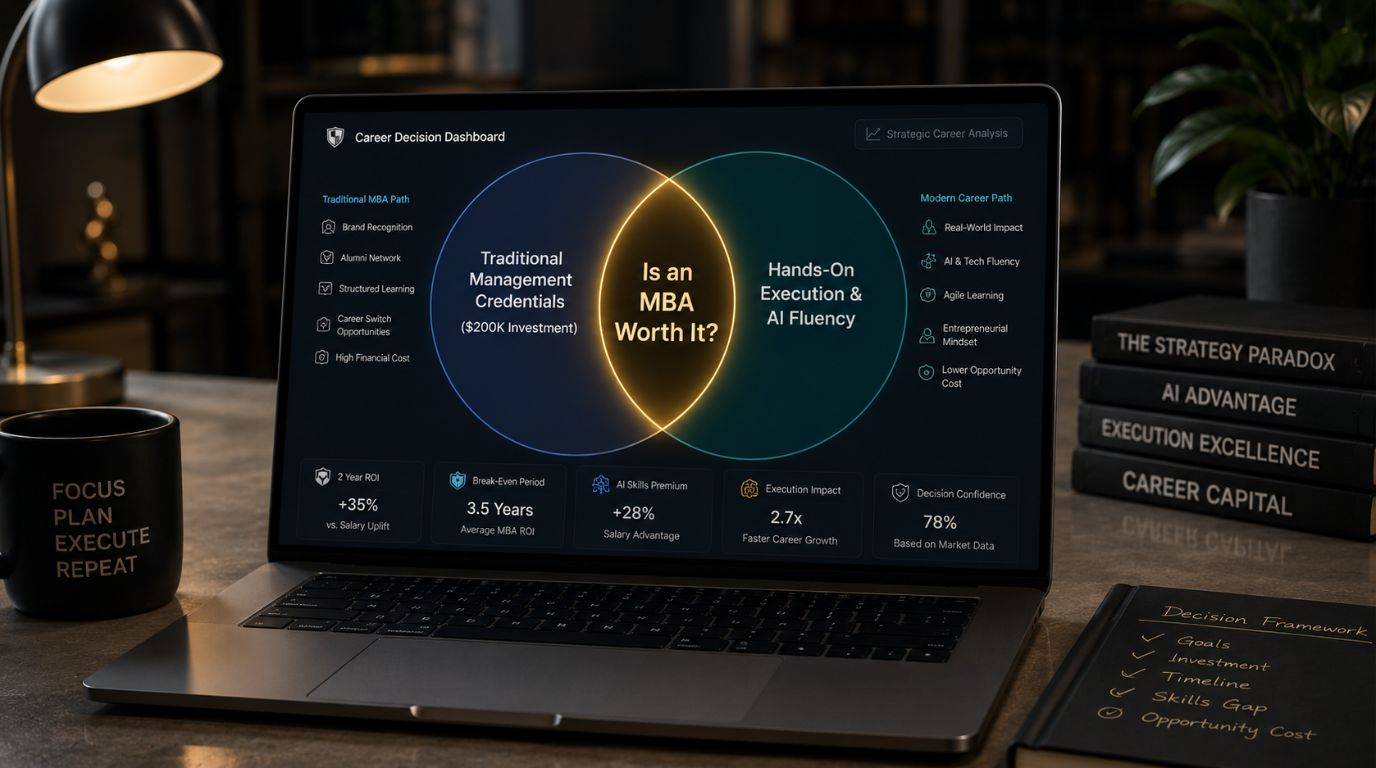
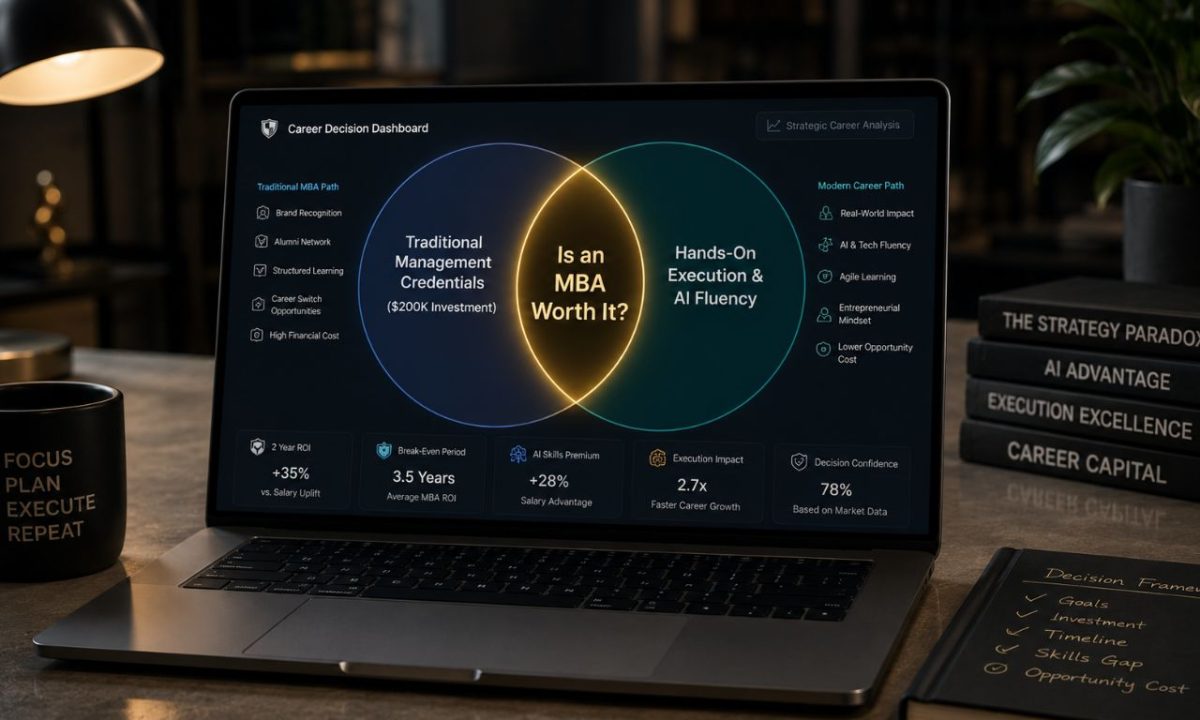

Is an MBA worth it, or is it Losing Its Edge? Or Are We Asking the Wrong Question?
For decades, an MBA was seen as the golden ticket to a high-paying corporate career. Get into a reputed business school. Graduate. Land a lucrative job.
Repeat.
But recent reports suggest that the equation is changing. Hiring demand for management graduates is softening, and starting salaries are experiencing noticeable downward pressure. For instance, at the top $15$ business schools, the share of graduates who accepted a job offer within $3\text{ months}$ of graduation fell by $6\text{ percentage points}$ to $84\%$.
This structural shift forces us to ask a much deeper question: in today’s disrupted job market, is an MBA worth it?
I don’t think the degree itself has lost all value. I think the market has simply changed faster than the traditional academic curriculum.
The Skills Gap: Is an MBA Worth It Today?
Companies today aren’t hiring degrees. They’re hiring outcomes. They want professionals who can solve problems, use AI effectively, understand data, communicate well, and deliver measurable business impact.
An expensive credential may get your resume noticed by automated screening software. However, your practical skill set determines whether you actually get hired. When you look at it this way, deciding whether is an MBA worth it depends entirely on your ability to execute on the ground rather than present a paper qualification.
This is a very different world from even a decade ago.
Why a Degree Alone Doesn’t Prove If Is an MBA Worth It
Earlier, an MBA itself was considered a competitive advantage. Today, almost everyone applying for management roles has similar qualifications.
What stands out now is experience.
Have you built something? Managed campaigns? Led teams? Worked with AI tools? Delivered business results?
These are the outcomes employers increasingly care about. When candidates calculate the return on investment (ROI) to evaluate if is an MBA worth it, they must weigh the steep tuition fee, which can exceed Rs 20 to 30 lakh in premier institutes, against the compounding value of gaining $2\text{ years}$ of direct operational experience.
How AI Automation Is Redefining the Value of Management
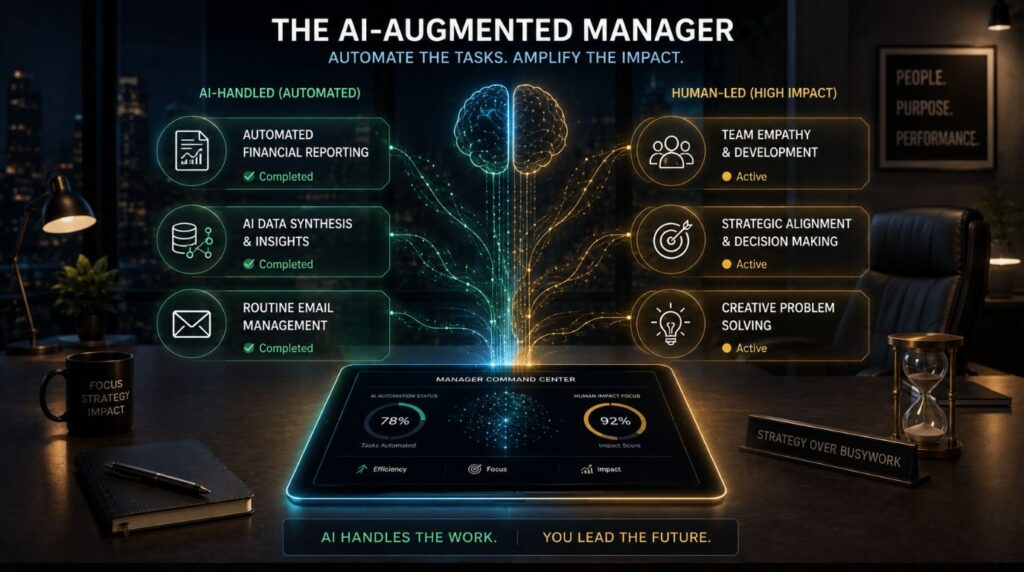
Another factor we cannot ignore is Artificial Intelligence. Many entry-level business tasks—research, reporting, presentations, documentation, and even basic analysis—are now being automated. Companies are therefore becoming more selective in hiring.
Instead of recruiting larger teams, they’re looking for professionals who can work smarter with technology. This isn’t reducing the importance of management. It’s raising the expectations of managers.
The Marketing Lesson
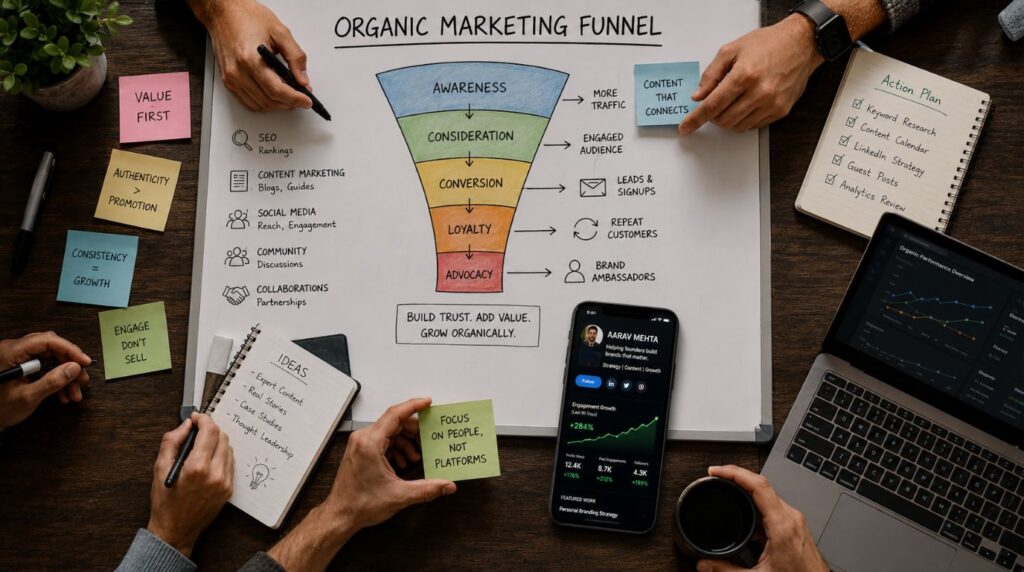
This is something marketers have understood for years. Certifications help. Portfolios win.
If you can demonstrate that you’ve grown a brand, improved ROI, built a campaign, or solved a business challenge, you’re already ahead of someone who only lists qualifications.
Knowledge opens the door. Execution keeps it open.
My Take
I don’t believe the MBA is becoming completely irrelevant. I believe the average, run-of-the-mill MBA is.
If you are pursuing a program simply to put a line item on your resume, the financial math will likely disappoint you. However, when asking if is an MBA worth it, the answer ultimately depends on your mindset. The professionals who continuously learn, build digital fluency, master emerging AI architectures, and maintain an insatiable curiosity will continue to command premium opportunities.
A degree should never be your final destination. It should be your foundation.
In today’s economy, employers aren’t paying for what you studied. They’re paying for what you can do.
As the industry shifts, staying informed about the latest skills-first hiring news is essential for anyone. Click through to read more such threads!