
Summary
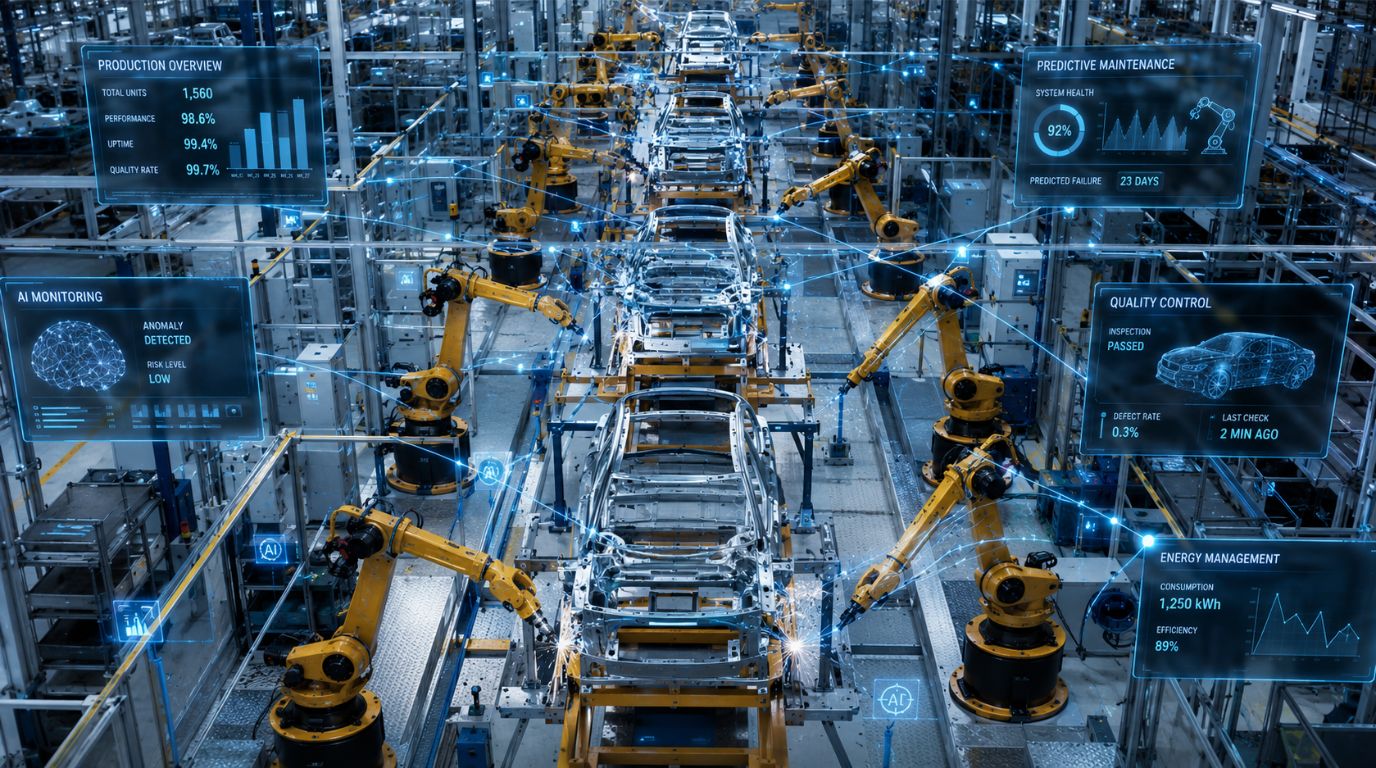
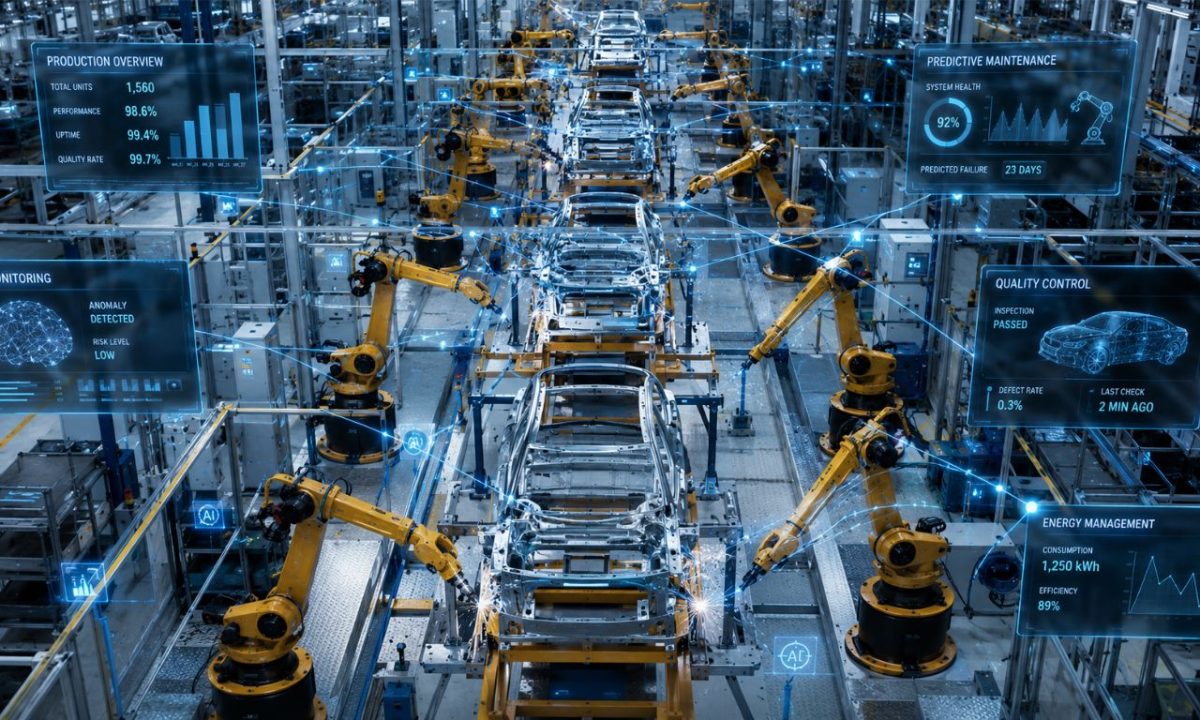
This blog highlights how AI in manufacturing is quietly transitioning from isolated experiments to a core competitive necessity. Factories are uniquely suited for AI because their repetitive systems generate measurable, structured data that makes calculating ROI straightforward. By processing this data, smart systems predict machinery breakdowns, optimize production schedules, and significantly improve worker safety by anticipating dangerous conditions.
However, successful implementation requires high data quality and modernized infrastructure rather than just buying new tools. Ultimately, the future factory will focus on optimizing decision-making, shifting the industrial landscape from mechanizing muscle to mechanizing judgment for faster, safer operations.
The Fast-Track Factory: AI Is Quietly Rewiring Manufacturing
The Factory Floor Is Getting Smarter. For years, when people spoke about AI, the conversation revolved around:
- Chatbots
- Content creation
- Coding assistants
- Marketing automation
But the real AI revolution may not happen on your laptop. It may happen inside factories. Quietly.
Without viral LinkedIn posts. Without flashy demos. Just machines making better decisions every second.
AI in Manufacturing Is No Longer Experimental
The most interesting part of this report is not that companies are trying AI. It’s that many are already operationalizing it.
Some are embedding AI into core business operations. Others are scaling it across departments. And many are experimenting aggressively in isolated pilots.
This is exactly how every major technology wave starts.
First: “Interesting experiment.”
Then: “Competitive advantage.”
And finally: “If you’re not using this, you’re already behind.”
AI in Manufacturing is entering that third phase faster than most people realize.
Why Manufacturers Are Suddenly Moving Fast
1. Efficiency Is No Longer Optional
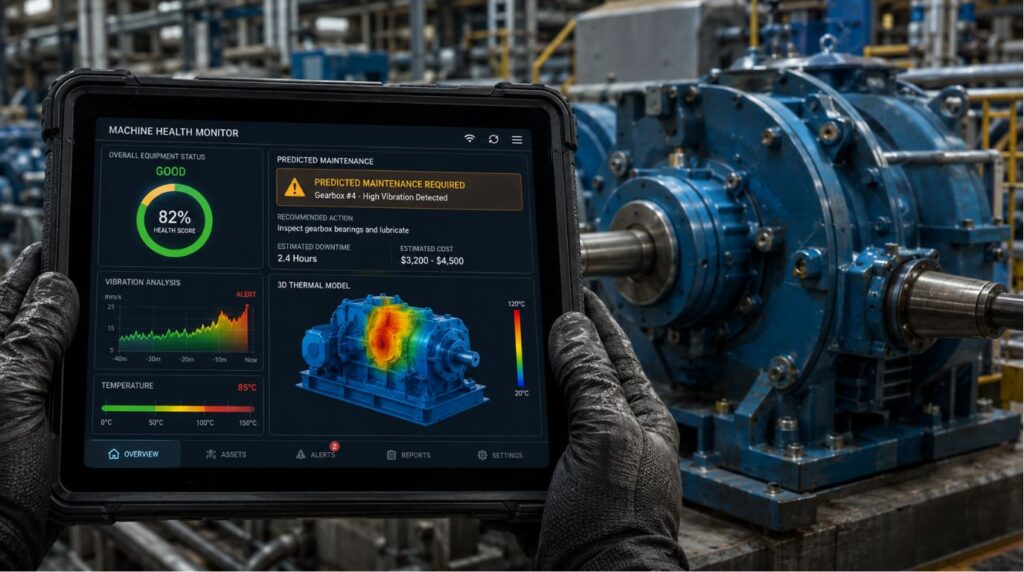
Margins are tighter. Supply chains are unpredictable. Customers expect faster delivery with fewer errors. Factories can no longer rely only on human intuition and manual monitoring. Implementing AI in manufacturing environments helps businesses:
- Predict breakdowns
- Optimize production schedules
- Reduce waste
- Improve quality checks
- Make decisions in real time
That directly impacts profitability. And factories care deeply about profitability.
2. AI Works Brilliantly With Repetitive Systems
Manufacturing environments generate enormous amounts of structured data. Machines repeat tasks. Sensors collect signals. Processes follow patterns. That’s exactly the kind of environment where AI thrives. Unlike creative industries, where AI output can feel subjective, factory AI is measurable.
Either:
- downtime reduced
- defects reduced
- energy optimized
- productivity improved
Or it didn’t work. The ROI becomes easier to justify.
The Most Underrated AI Benefit? Worker Safety
One thing many people miss in AI conversations is safety. AI isn’t just replacing tasks. It’s helping predict dangerous conditions before accidents happen. When you deploy advanced AI in manufacturing plants, you get systems that can:
- Detect overheating machinery
- Identify risky worker movements
- Monitor fatigue patterns
- Predict equipment failure before explosion or breakdown
That’s not futuristic anymore. That’s operational intelligence. And in industries where one mistake can cost lives, that matters enormously.
The Real Winners Won’t Be “AI Companies”
This is important. The biggest winners in the next decade may not necessarily be companies selling AI. The winners could be traditional industries that adopt AI better than their competitors.
A manufacturing company using AI efficiently may outperform a “cool tech startup” simply because:
- operations become faster
- waste drops
- delivery improves
- forecasting becomes smarter
- margins expand
The boring industries are becoming intelligent industries, driving a massive wave of AI in manufacturing adoption. And that changes the global business landscape.
But There’s a Catch
AI alone is not enough. The report highlights something most companies underestimate: Data quality.
Bad data creates bad AI. Many businesses want an “AI transformation” without fixing:
- disconnected systems
- poor infrastructure
- outdated technology
- weak data governance
That’s like installing a Formula 1 engine into a broken scooter. The companies that succeed will not just buy AI tools. They will rebuild processes around intelligence.
Final Thought on AI in Manufacturing
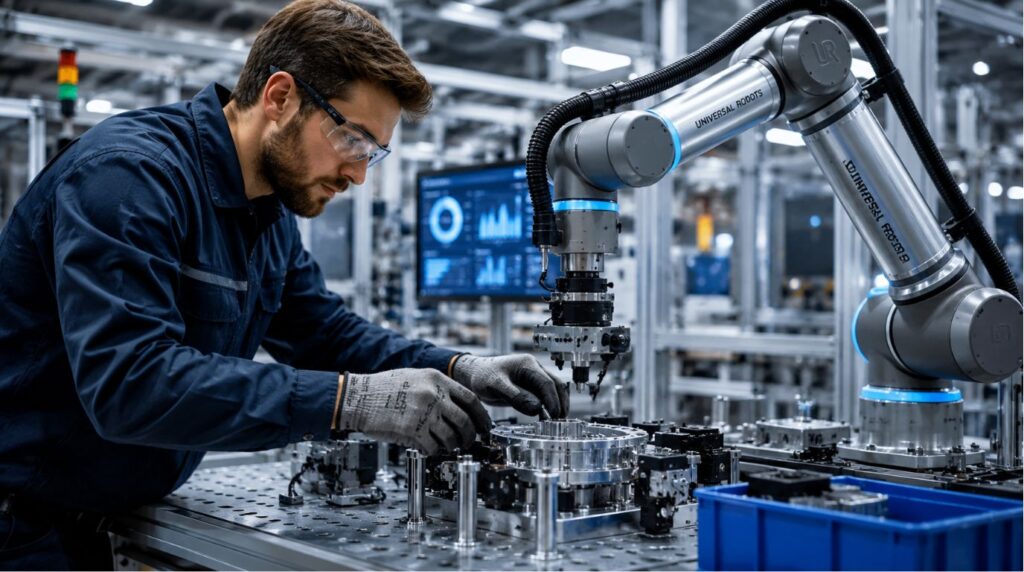
For years, factories optimized for labor. Now they are optimizing for decision-making. And that shift is massive. The future factory may not necessarily have fewer humans. But it will definitely have smarter systems helping humans move faster, safer, and more efficiently.
The industrial revolution once mechanized muscle. This revolution is mechanizing judgment. And we are only getting started.
As the industry shifts, staying informed about the latest trends is essential for anyone. Click through to read another thread!