
Summary
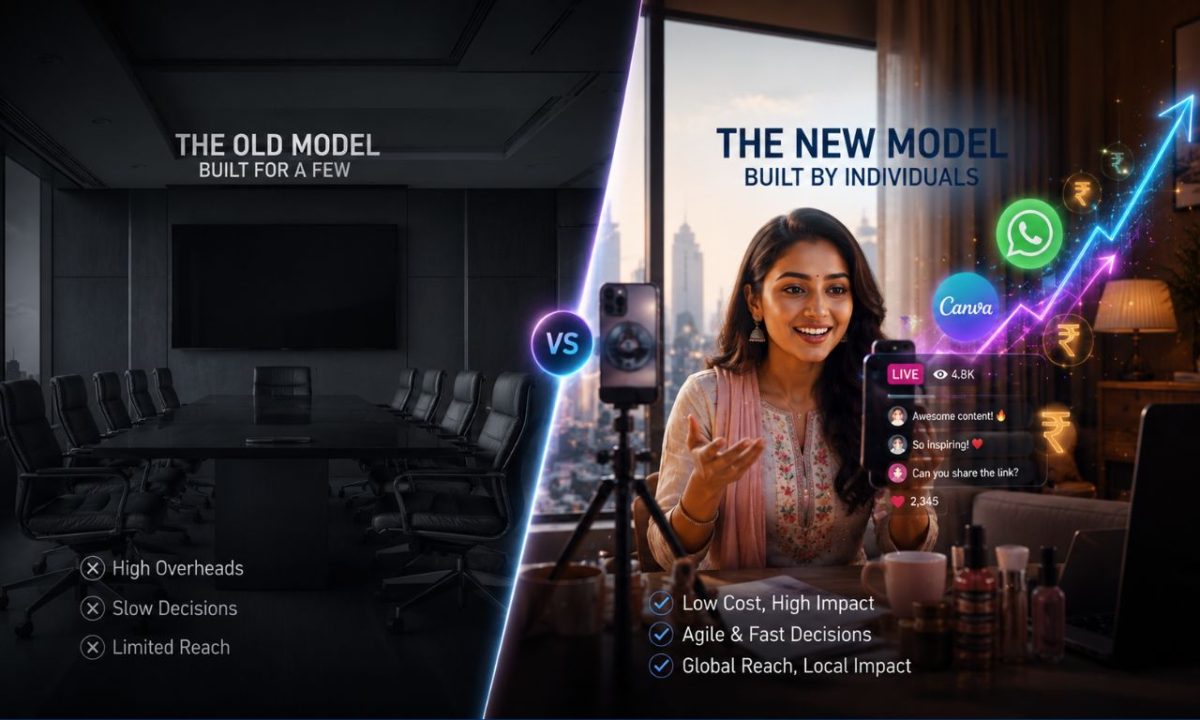
The direct selling sector is undergoing a massive digital overhaul. Recent data reveals that the direct selling industry in India has crossed an astonishing ₹23,000 crore in FY25. While critics spent years mocking old school recruitment seminars, modern creators, WhatsApp micro-communities, and social commerce are quietly transforming this space into a legitimate pillar of India’s digital economic infrastructure.
The Industry Everyone Mocked Quietly Became Massive
For years, the “direct selling industry in India” had a strange reputation. The moment someone heard the term, people immediately imagined:
- awkward WhatsApp forwards
- random motivational seminars
- relatives trying to sell wellness products at weddings
- and somebody saying:
“Bro, this is not a scheme, it’s a business opportunity.” Yet quietly, while the internet was busy debating AI, crypto, and startup valuations…The direct-selling industry in India crossed ₹23,000 crore in FY25.
That’s not a small side hustle ecosystem anymore. That’s a serious consumer industry.
And honestly?
I think most people are looking at this market completely the wrong way.
Direct Selling Industry in India Has Changed. The Internet Just Hasn’t Updated Its Opinion Yet.
The old version of the direct selling industry in India was:
- door-to-door pitches
- offline recruitment
- catalogs
- home gatherings
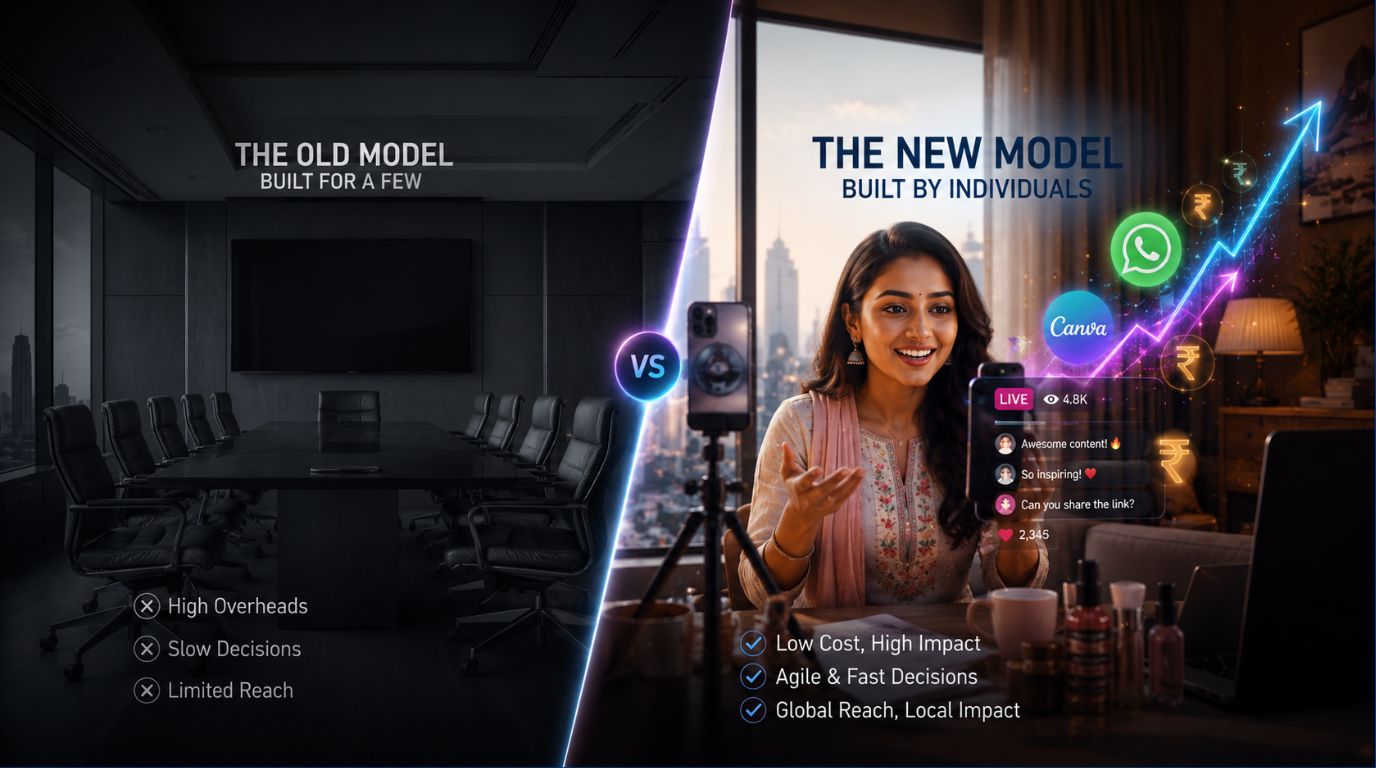
The new version of the direct selling industry in India looks very different. Now it’s powered by:
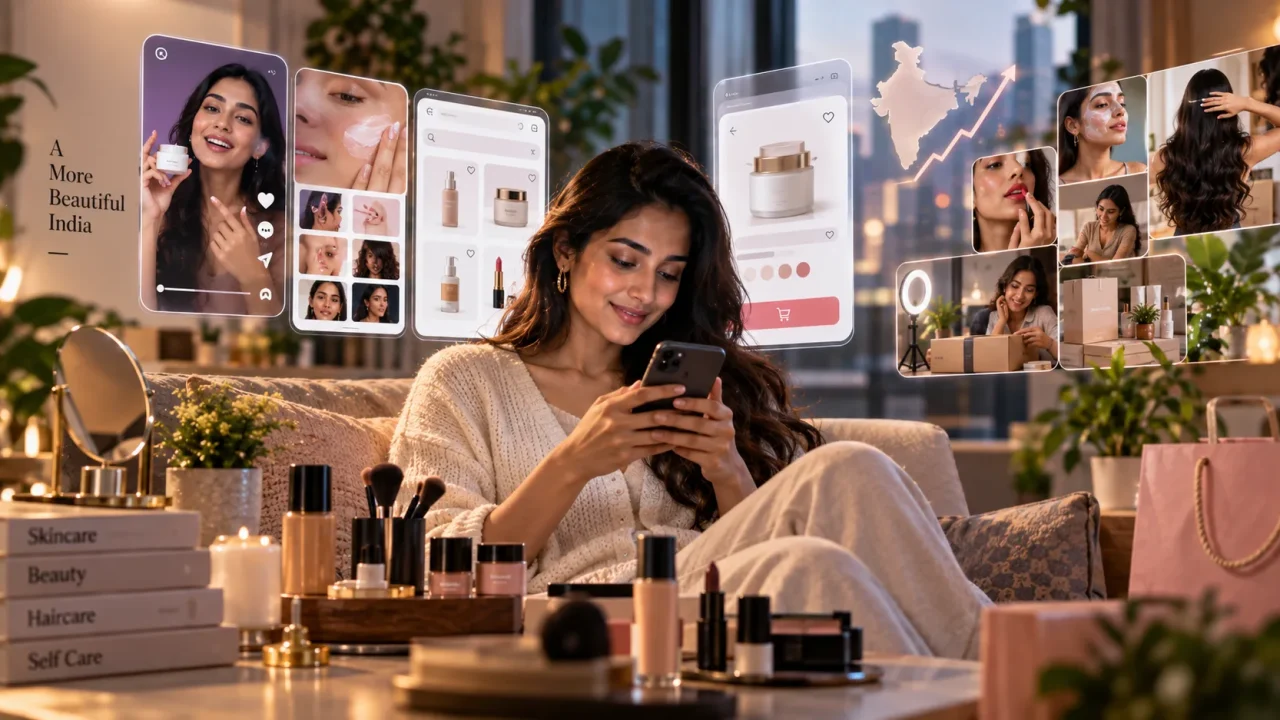
- Instagram creators
- WhatsApp communities
- Telegram groups
- personal branding
- affiliate-style selling
- UGC content
- live commerce
- social trust
In many ways, modern creator culture and the direct selling industry in India are slowly merging into each other.
Every Influencer Is Technically Doing A Form Of Direct Selling Industry in India.
Think about it. When creators recommend:
- skincare
- protein powder
- courses
- gadgets
- Amazon finds
- supplements and
- fashion products
What are they really doing?
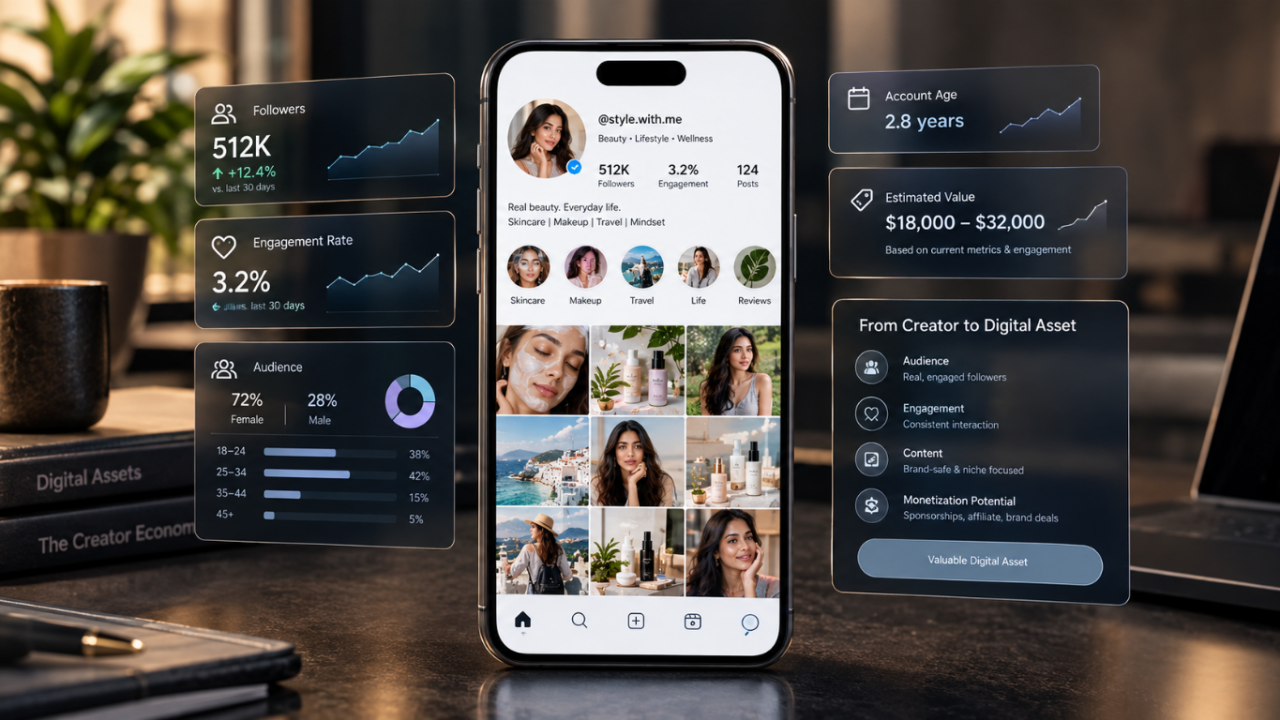
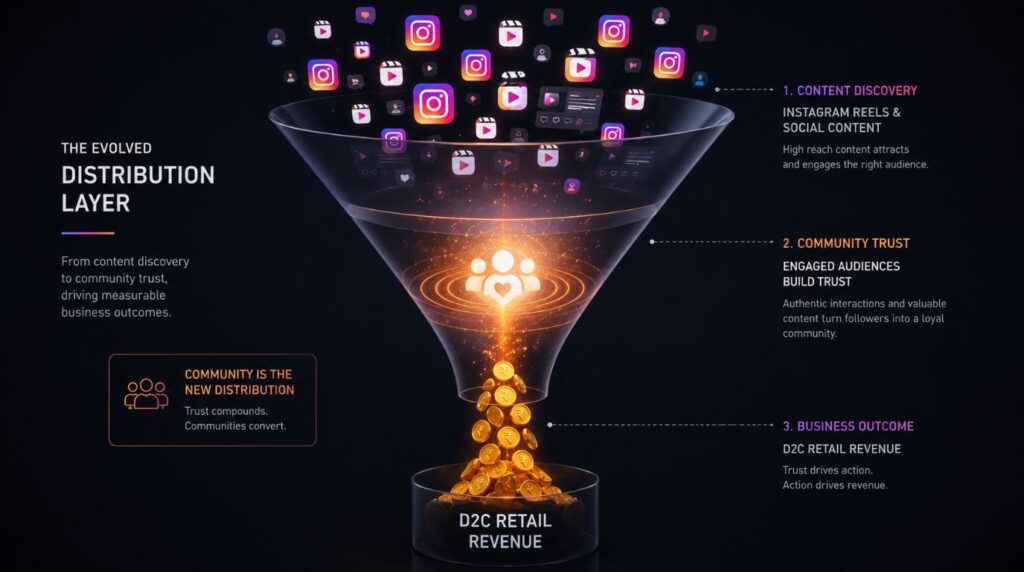
They are monetizing trust. That’s fundamentally what direct selling has always been.
The only thing that changed is the distribution layer.
Earlier: living room meetings.
Now: reels.
India Is The Perfect Market For This Model
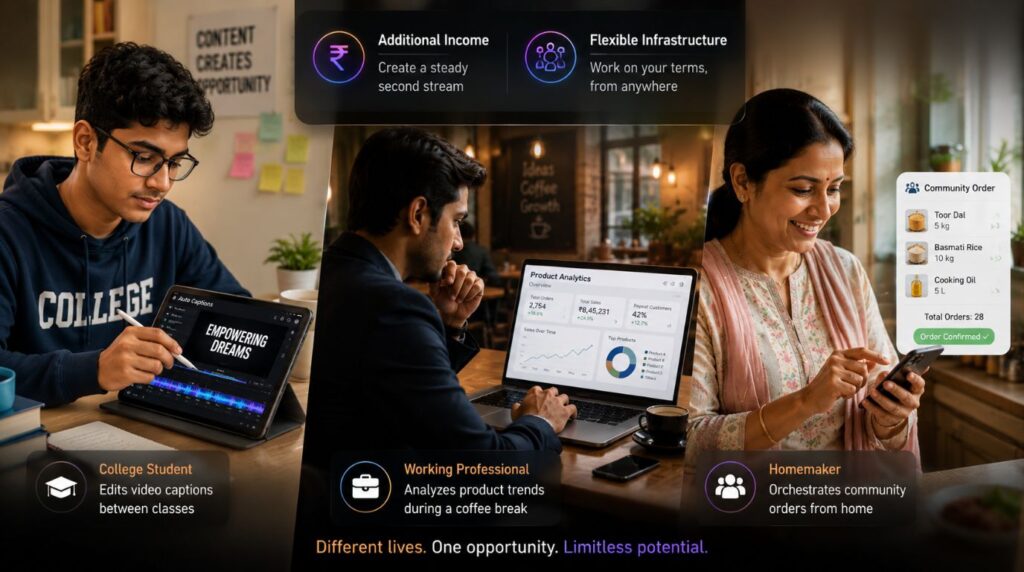
Honestly, the economic structure makes the direct selling industry in India surprisingly powerful. Because millions of people want:
- additional income
- flexible work
- low-investment business models
- remote earning opportunities
Not everyone wants to build a startup. Not everyone can get venture funding. Not everyone has access to high-paying corporate jobs.
But many people can:
- build communities
- sell products
- influence small networks
- Create niche trust online
And the internet dramatically amplifies that.
Social Commerce Is Quietly Rewriting Retail
This is the bigger story nobody talks about enough.
We are moving from search-based commerce to recommendation-based commerce.
Earlier, consumers searched: “best skincare brand.”
Now consumers buy because: “Someone I follow recommended this.”
That’s a massive behavioral shift.
The direct selling industry in India sits perfectly inside this transition.
The Real Currency Isn’t Products. It’s Trust.
That’s why some people fail badly in direct selling…while others build massive businesses.
Because people don’t buy products anymore. They buy:
- credibility
- relatability
- consistency
- storytelling
- familiarity
The creator economy proved this globally. Direct selling is now evolving using the same psychology.
But Let’s Address The Elephant In The Room
Yes…
Parts of the industry still have problems.
There are still:
- overhyped income promises
- pyramid-like structures
- aggressive recruitment tactics
- fake luxury lifestyles on social media
And honestly, those practices damaged public trust massively over the years. That criticism is valid.
But Here’s The Interesting Part
The internet is also forcing the industry to mature faster. Because today:
- Bad reviews spread instantly
- Fake claims get exposed quickly
- Customers compare products publicly
- creators lose credibility overnight
Which means sustainable businesses increasingly need:
- actual product quality
- real retention
- authentic branding
- transparent communication
That’s a healthier direction overall.
AI Will Make This Industry Even Bigger
This part fascinates me. AI tools are dramatically reducing the skill barrier for entrepreneurship.
Today, even small sellers can create:
- ads
- content
- videos
- product descriptions
- sales funnels
- customer support
- multilingual campaigns
without massive teams.
That means millions of micro-entrepreneurs become digitally empowered sellers. India is uniquely positioned for this explosion.
Also… Can We Admit Something Funny?
Corporate professionals sometimes mock direct sellers online…while simultaneously posting:
- LinkedIn personal brands
- affiliate links
- webinar funnels
- “DM me for details.”
- productivity tool referrals
Congratulations. You accidentally became a softer version of the same model.
The Future Of Selling Is Becoming Deeply Human Again
Ironically, as AI automates more discovery and advertising…
Human recommendations may become even more valuable. Because people trust people more than algorithms. Especially in:
- wellness
- beauty
- health
- education
- finance
- lifestyle
The future may not belong only to giant brands.
It may belong to:
trusted communities with distribution power.
That’s why this ₹23,000 crore number matters. It’s not just an industry statistic. It’s proof that India is entering an era where:
- influence
- community
- trust
- and digital entrepreneurship
They are becoming a legitimate economic infrastructure.
Final Thought
I don’t think direct selling will disappear. I think it evolves. The winners won’t be the loudest motivational speakers anymore. They’ll be the people who can:
- build trust
- create authentic communities
- leverage digital tools
- and genuinely solve consumer problems
Meanwhile, somewhere in India…
Someone’s auntie just became a better D2C marketer than half the startup ecosystem using only:
- Canva
- Instagram reels
- and unstoppable determination.
As the industry shifts, staying informed about the latest news is essential for anyone. Click through to read more such threads!