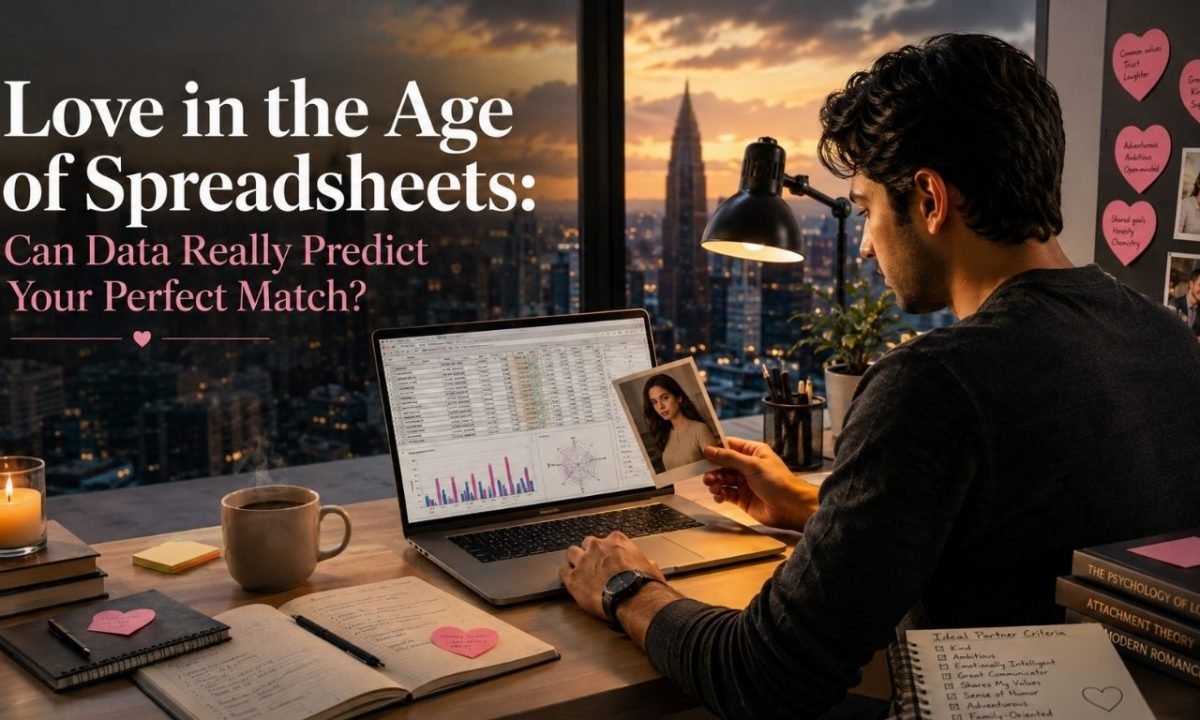

Love in the Age of Spreadsheets: Can Data Really Predict Your Perfect Match?
Theme: Dating, Technology & Data-Driven Decision Making

For years, we’ve heard that love is unpredictable. Chemistry is supposed to be spontaneous, relationships are meant to evolve naturally, and the heart is expected to ignore logic. But what happens when a generation raised on dashboards, analytics, and AI starts treating dating like a business problem?
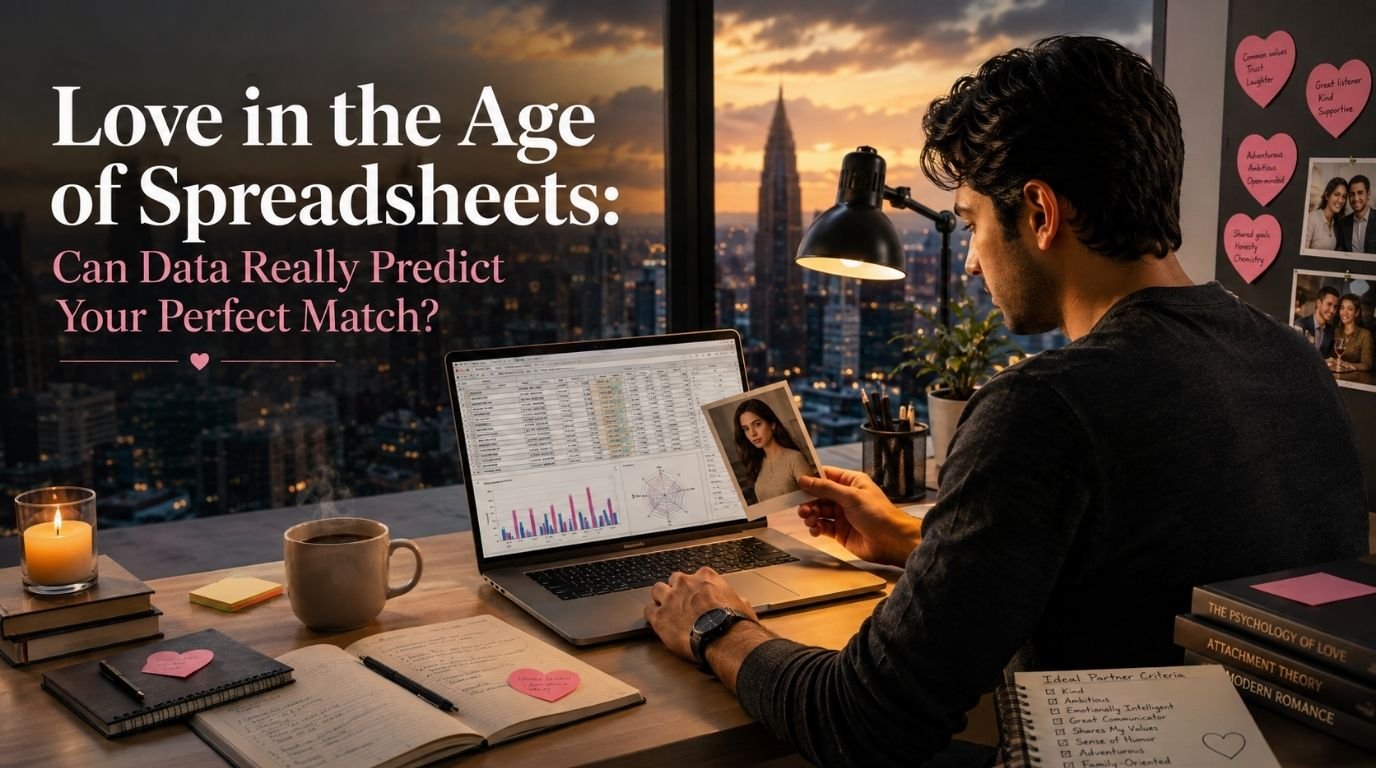
The article highlights a fascinating trend where young adults are using spreadsheets, scoring systems, and even custom-built applications to evaluate potential partners. Instead of relying solely on emotions, they’re assigning weights to values, communication, ambition, lifestyle preferences, financial habits, and long-term goals. Some are even asking friends to contribute ratings before deciding whether to continue dating someone.
At first glance, it sounds absurd.
Then you realize we’ve been doing something similar all along.
We compare. We seek opinions from friends. We make mental pros and cons lists. Technology has simply converted those invisible thought processes into visible dashboards.
Why This Trend Exists
Modern dating has become overwhelming.
Dating apps provide endless options. Social media creates unrealistic expectations. People are investing months—or years—into relationships before discovering major incompatibilities.
Naturally, many are looking for ways to reduce uncertainty.
Data promises objectivity.
Instead of asking “How do I feel?”, people are asking:
- Do our life goals align?
- How do we handle conflict?
- Are our financial habits compatible?
- What values matter most?
- What do my closest friends notice that I don’t?
Those aren’t bad questions.
In fact, they’re probably questions we should all ask earlier.
Where Data Helps
I actually think structured thinking has a place in relationships.
If someone knows they value honesty, ambition, family, financial discipline, emotional maturity, or work-life balance, documenting those priorities isn’t a bad exercise.
Sometimes seeing your own values written down prevents you from ignoring obvious red flags simply because there’s chemistry.
In that sense, spreadsheets become a tool for self-awareness—not judgment.
Where It Goes Wrong
The danger begins when numbers replace conversations.
People aren’t datasets.
You cannot assign a score to kindness after two dates.
You can’t quantify emotional intelligence with a dropdown menu.
A person who scores “72%” today could become your strongest support system five years later.
Likewise, someone who looks perfect on paper may never make you feel emotionally safe.
Relationships are dynamic.
Spreadsheets are static.
That’s a mismatch no formula can solve.
The Marketing Parallel
As marketers, we should find this trend strangely familiar.
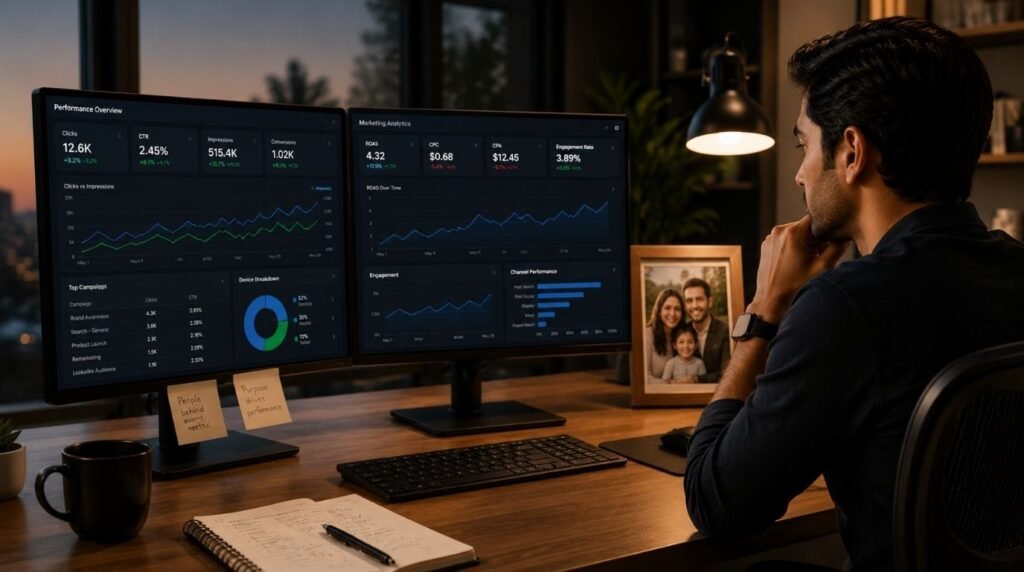
We obsess over dashboards.
CTR.
CAC.
LTV.
ROAS.
Engagement rates.
Yet every experienced marketer knows the same truth:
Not everything that matters can be measured.
Brand trust.
Creativity.
Community.
Word-of-mouth.
Emotional connection.
These often outperform metrics in the long run.
Relationships work exactly the same way.
Data should inform decisions—not replace human judgment.
What AI Might Do Next
This trend is only the beginning.
Imagine AI analyzing your conversations, calendars, music preferences, spending patterns, travel habits, and personality traits to recommend compatibility scores.
Technically, it’s becoming possible.
The bigger question isn’t whether AI can predict compatibility.
It’s whether we should outsource one of the most human decisions we’ll ever make.
My Take
I love data.
I’ve built marketing strategies around analytics for years.
But if I ever need a spreadsheet to convince myself to like someone, the spreadsheet has already answered the question.
Use data to understand yourself.
Use conversations to understand others.
Use your heart to make the final decision.
Because the best relationships aren’t built in Excel.
They’re built in everyday moments that no algorithm can ever fully capture.
Sometimes the best formula in life still begins with two people choosing to understand each other—not two columns trying to match.