
Summary
The traditional television playbook is officially broken. While the screen itself has survived, consumer behavior has completely fragmented across multiple devices, forcing marketing budgets to follow the attention. Driven by the rapid convergence of digital metrics and traditional broadcasts, analyzing modern connected TV advertising trends is essential for any brand looking to survive. This article breaks down why the industry is being rewritten, how digital platforms offer tracking that traditional TV never could, and why the future of marketing belongs to cross-screen experiences.
Digital Shift Hits TV: The Remote Is Still in Our Hands, But Attention Has Already Moved
The TV Industry Isn’t Dying. It’s Being Rewritten.
For years, television was the undisputed king of advertising.
If a brand wanted mass awareness, the playbook was simple: Launch a TV campaign. Buy prime-time slots. Repeat.
Recent industry data reveals that traditional television reach is steadily declining while overall advertising growth slows. Audiences are rapidly migrating to on-demand ecosystems, and even massive live sporting events are fighting an uphill battle to pull viewers back to linear programming. This is why tracking connected TV advertising trends has become a top priority for global brands.
The underlying challenge isn’t that people have stopped consuming video content. The reality is that viewers have completely shifted where and how they watch it.
From Channels to Choices
A few years ago, viewers adjusted their lives around TV schedules. Today, content adjusts itself around viewers. You don’t wait for a show at 9 PM anymore. You watch it:
- While traveling
- During lunch breaks
- Before sleeping
- In short-form clips
- Across multiple devices
The audience didn’t disappear. It fragmented. And fragmentation changes everything.
Why Advertisers Are Following the Audience
Advertising money follows attention. Always. When people spend hours on:
- YouTube
- OTT platforms
- Streaming apps
- Creator content
Brands naturally shift budgets there. Why?
Because digital offers things television never could:
✓ Precise targeting
✓ Real-time tracking
✓ Measurable ROI
✓ Personalized experiences
✓ Faster experimentation
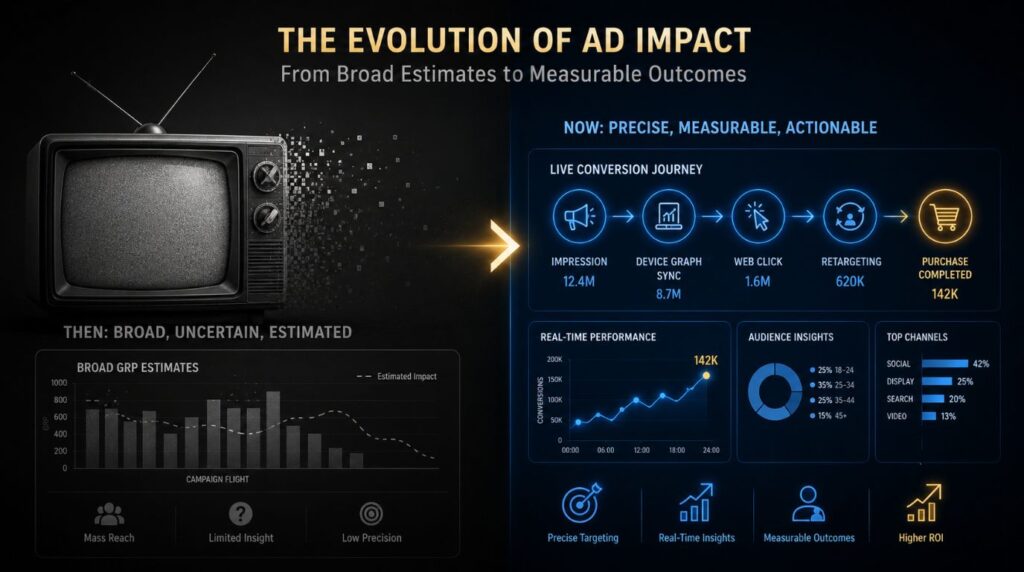
Television could tell advertisers: “Millions watched.”
Digital can tell advertisers: “Daksh clicked, visited, added to cart, and purchased.”
That difference changes billion-dollar decisions.
By analyzing current connected TV advertising trends, it becomes clear why this migration is accelerating. Linear networks could only offer broad, generalized post-campaign estimates. Modern digital frameworks tell an entirely different story, tracking precise individual user pathways. Understanding these deeply connected TV advertising trends is what rewrites billion-dollar boardroom decisions.
The Future May Not Be TV vs Digital
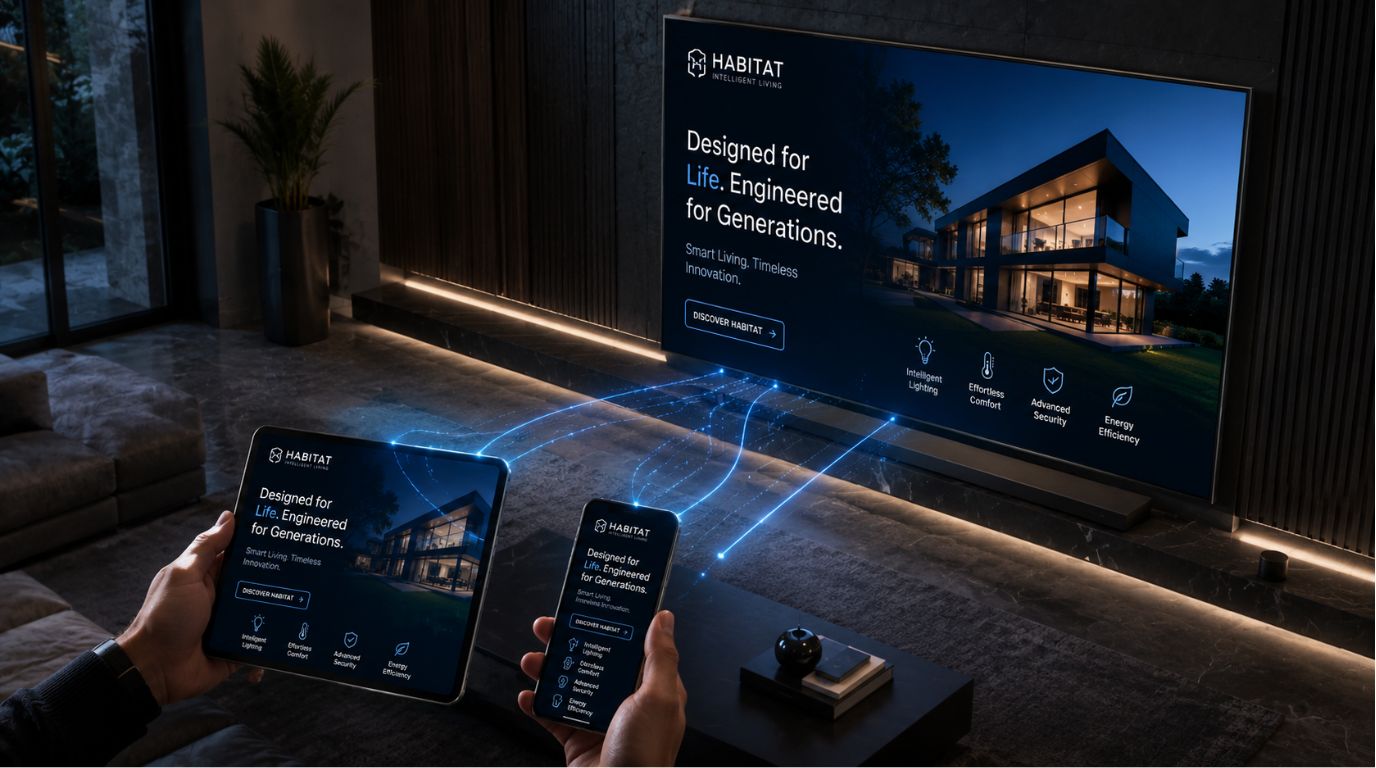
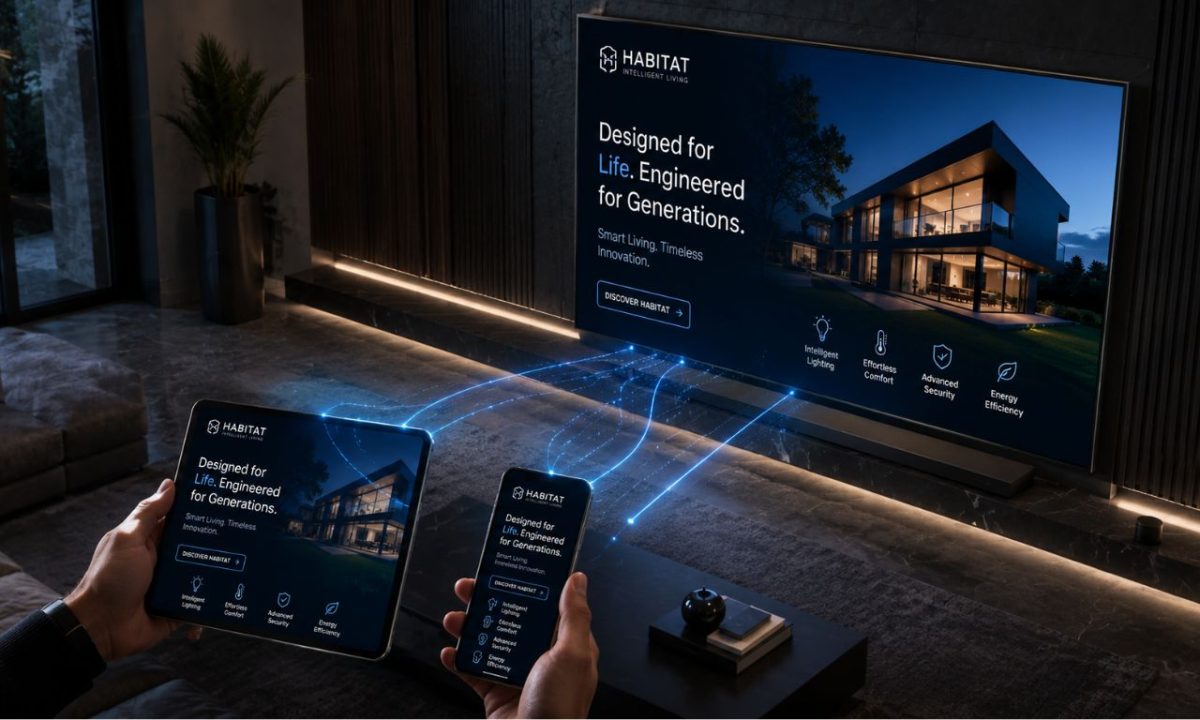
The ultimate resolution of this shift will not be a simple battle where one medium completely eradicates the other. Instead, macro connected TV advertising trends indicate a highly integrated, hybrid future. Smart televisions are completely erasing the historical boundary line between traditional broadcast infrastructure and digital media networks. The living room monitor is no longer a passive receiver; it has quietly evolved into a highly interactive, internet-connected screen.
Soon, advertisers may stop asking: “Should we advertise on TV?”
And instead ask: “How do we create experiences across every screen?”
The Bigger Lesson for Marketers
As someone in digital marketing, I find this interesting because the story isn’t really about TV. It’s about consumer behavior.
Platforms change. Formats change. Devices change. Human attention changes faster than companies expect. And businesses that assume “this has always worked” usually realize too late that audiences have already moved on.
Final Thought on Connected TV Advertising Trends
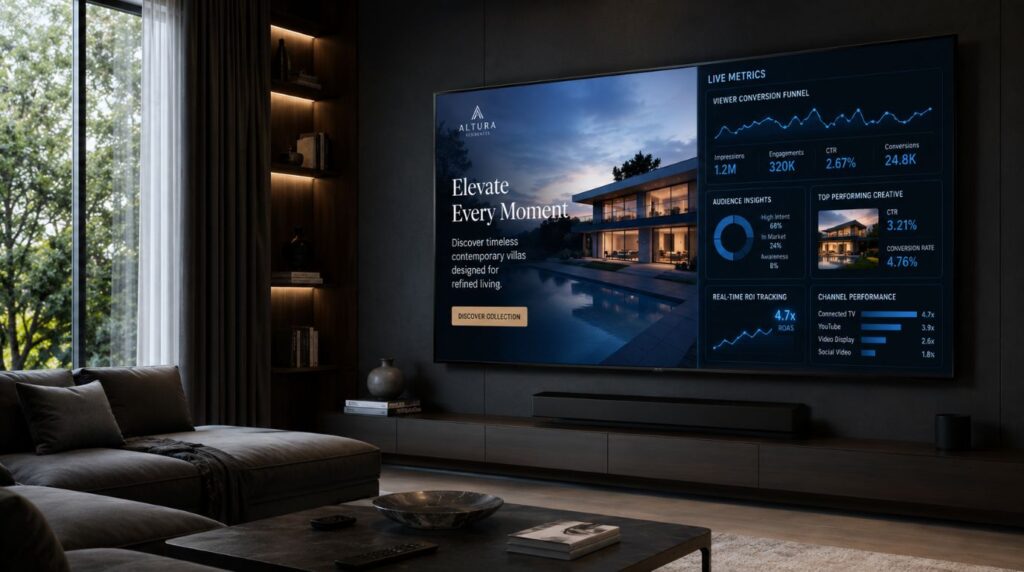
TV isn’t disappearing. But the living room is no longer where the audience lives. The audience lives on phones, tablets, laptops, smart TVs, headphones, and tiny moments spread throughout the day.
The screen survived. The definition of the screen changed. Keeping up with evolving connected TV advertising trends is no longer just a media strategy—it is a baseline requirement for cultural relevance.
As the industry shifts, staying informed about the latest news is essential for anyone. Click through to read another thread!