
Two Stories That Made Me Rethink How We Explain Progress
I read two very different pieces this week — one about a super-fast animal and another about AI at work — and both challenged a simple story we like to tell about progress.
Let me start with the pronghorn.
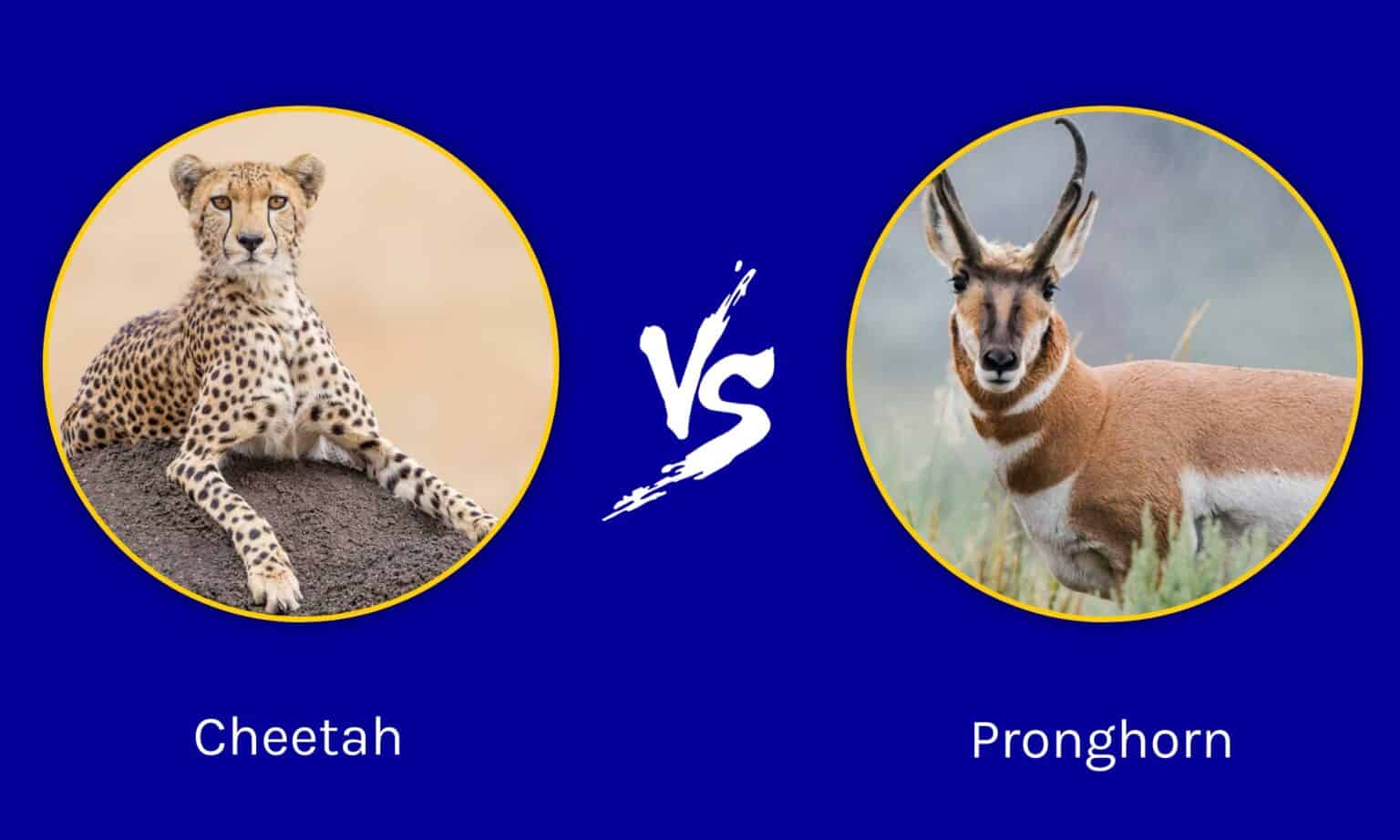
We’ve all heard the cinematic version: the American pronghorn became incredibly fast because it had to outrun an “American cheetah.” Predator pushes prey, prey evolves speed. Neat story.
Except fossil research from the University of Michigan suggests pronghorns were already built for speed around 12.5 million years ago, before any cheetah-like predator showed up. Their ankle bones look strikingly similar to modern pronghorns.
So maybe speed wasn’t about one predator. Maybe it was about surviving changing environments — covering distance for food, water, and safety. In other words, capability evolved before the pressure we later used to explain it.
Now to AI
Many of us adopted AI to reduce effort. Faster emails, quicker drafts, fewer repetitive tasks. At first, it felt like a productivity bonus.
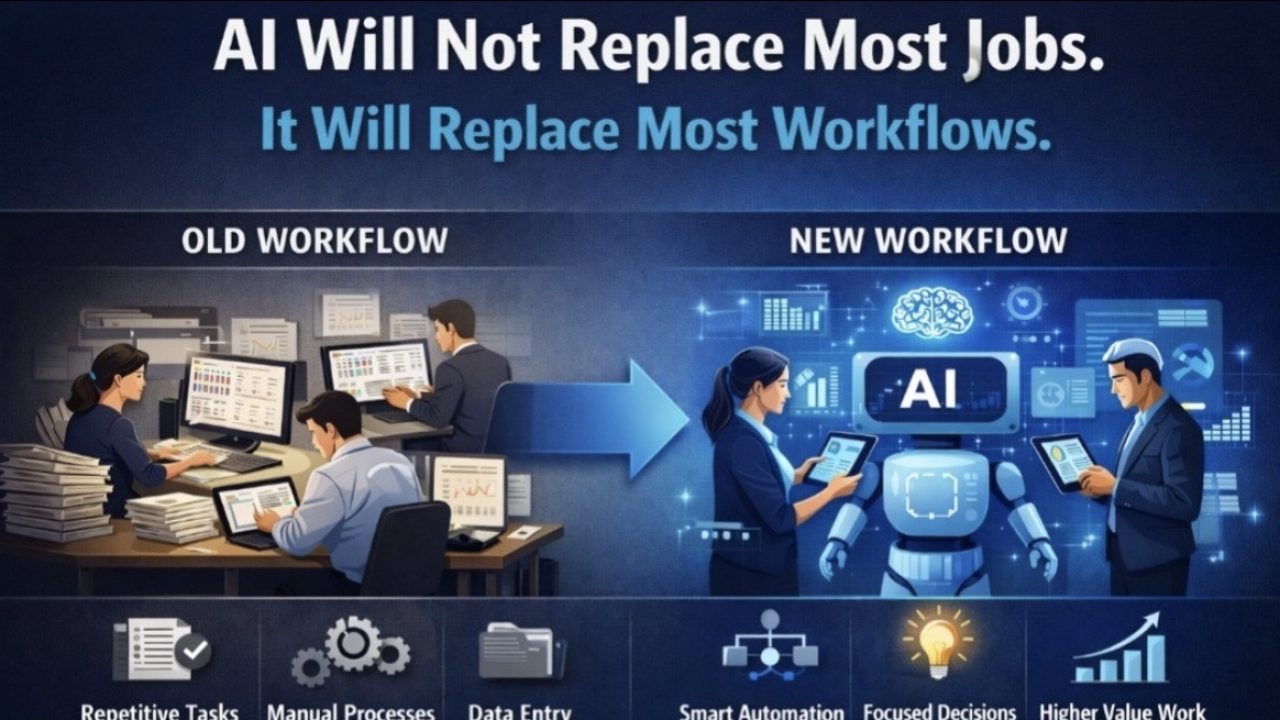
But research highlighted in Harvard Business Review shows something else happens over time. When people become faster, expectations quietly rise. More tasks get assigned. Deadlines tighten. Output standards shift.
The time saved rarely becomes free time. It becomes capacity for more work.
I like the pizza analogy. If delivery usually takes 30 minutes and once arrives in 15, you’re delighted. But soon, 15 becomes the expectation. Thirty now feels slow, even though it was always the norm.
That’s what AI is doing to work. It’s resetting what “normal” productivity looks like.
What this means for a marketer
For me, the link between these stories is simple: we often create clean explanations for messy realities.
Pronghorns weren’t just “running from cheetahs.” Workers aren’t just “freed by AI.” The truth is more systemic.
As marketers and leaders, we should be careful about the narratives we buy into. AI can absolutely improve productivity, but if we don’t consciously decide where the gains go — better quality, smarter strategy, or lighter workloads — they’ll default to “more output.”
My takeaway: progress doesn’t automatically make life easier. It expands what’s possible. What we do with that possibility is a human decision, not a technological one.
Source: University of Michigan research on pronghorn evolution; Harvard Business Review study on AI and workload