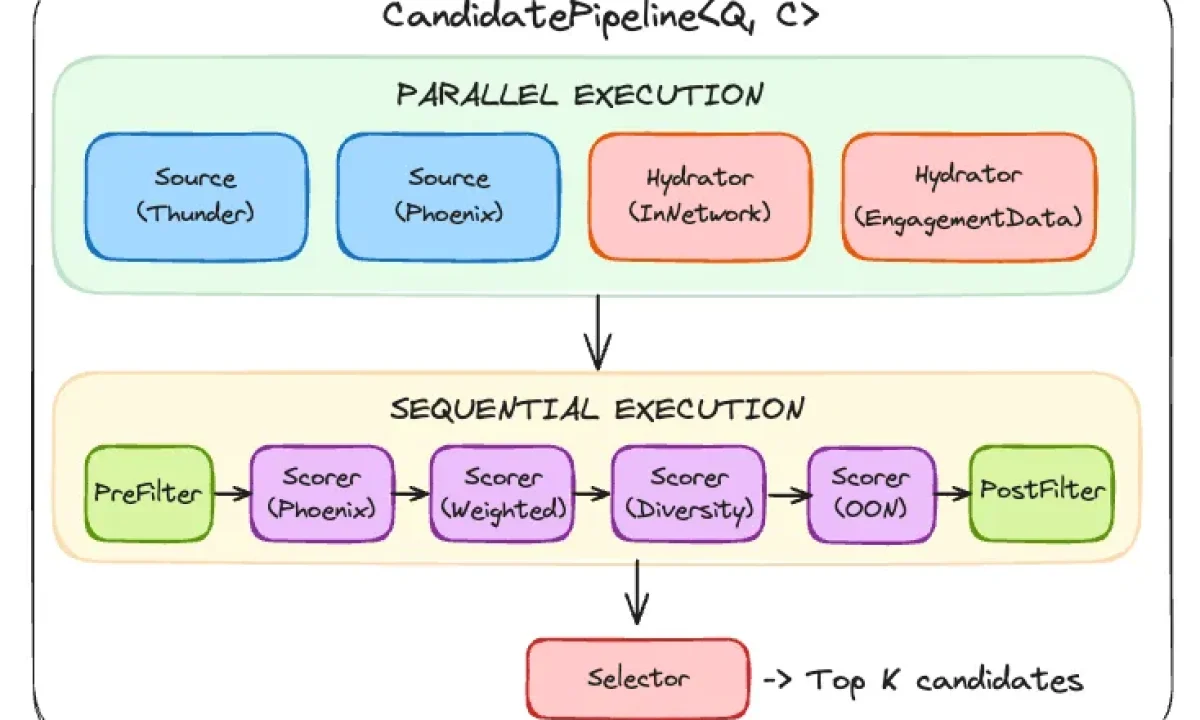

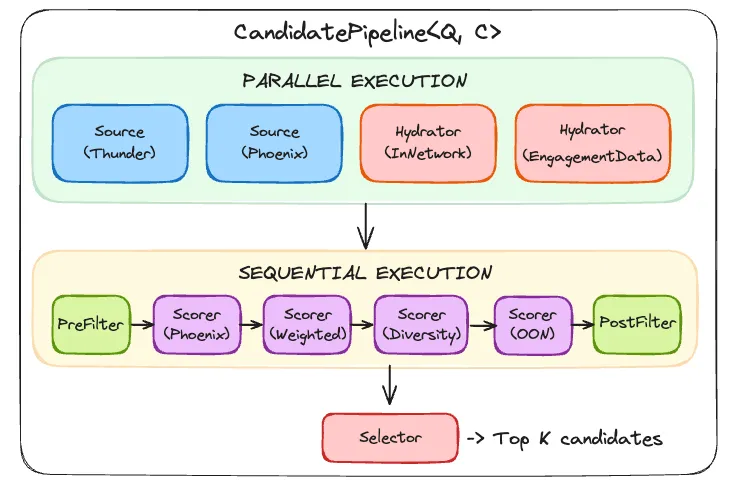
X (formerly Twitter) recently made a bold move by open-sourcing its core recommendation algorithm. This gave researchers and engineers their first real look at how the platform decides what content shows up in your feed. A recent analysis breaks down the code to reveal exactly how the system works—and what it means for engagement, controversy, and content strategy.
Key highlights
At its core, X’s algorithm is built around a simple set of priorities: maximize positive engagement, minimize negative engagement, and prioritize quality over sheer volume. Rather than arbitrary multipliers for early likes or reactions, the system focuses on feedback loops—content that consistently draws engagement signals continues to be recommended more widely.
The analysis also explains why controversial and “rage bait” content often persists even with penalties. When the engaged audience vastly outnumbers those offended, the positive engagement signals can overwhelm the system’s negative flags. In effect, the algorithm doesn’t stop controversy; it weighs the impact of controversy against the engagement it drives.
Another important nuance is how early engagement shapes distribution. The system doesn’t boost posts simply because they get quick interactions. Instead, early traction feeds the feedback loop, reinforcing the algorithm’s confidence that the content is worth amplifying.
What this means for a marketer
For marketers, this insight changes how we think about platform strategy. It confirms that recommendation systems like X are not neutral filters; they are optimization engines tuned toward engagement signals.
The practical takeaway is clear: content that inspires meaningful interaction—comments, shares, replies—from an audience that gives positive signals will always perform better than clickbait or superficial tactics that aim to provoke without building engagement depth.
Source: https://codepointer.substack.com/p/x-algorithm-how-x-decides-what-550